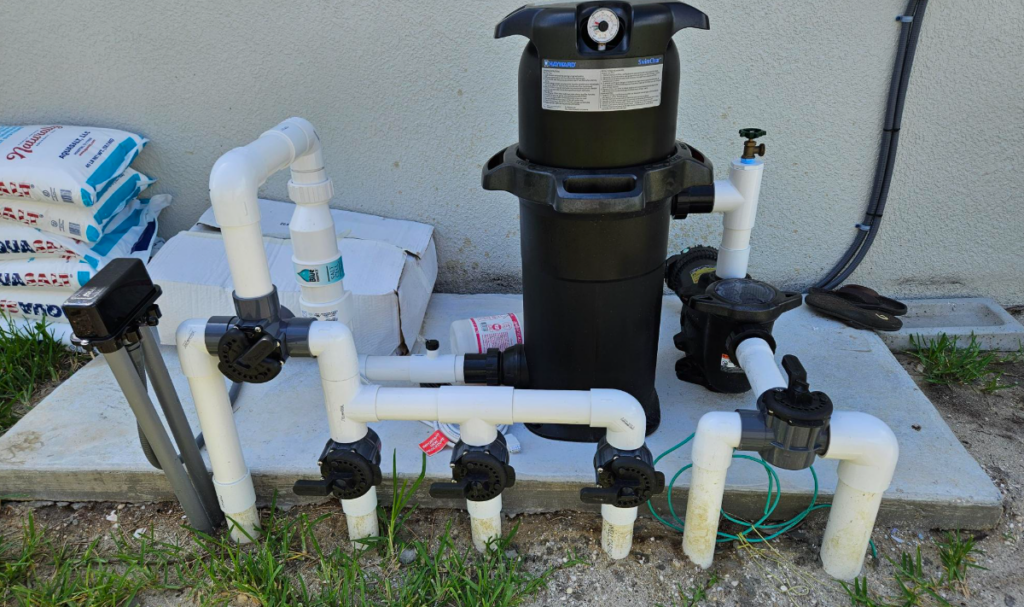
Pool Pump Sizing and Flow Rate
How to Match Pump, Filter, Plumbing, and Turnover Without High Pressure Problems
Pool pump sizing is the difference between a system that keeps water clear easily and a system that always struggles with weak circulation, noisy operation, high filter pressure, and frequent breakdowns. Many pool owners assume bigger is better, but an oversized pump can create excessive pressure, stress valves and filters, and waste electricity. An undersized pump can fail to skim properly, fail to meet heater and chlorinator flow requirements, and leave dead zones that encourage algae. The goal is not maximum power. The goal is correct flow rate for your plumbing and filter, with enough capacity for peak tasks like vacuuming, backwashing, and heating.
This guide explains how pump sizing works, what flow rate actually means in a residential pool, and how to choose the right pump size for stable filtration and equipment protection.
Pump sizing basics: flow rate, head pressure, and system resistance
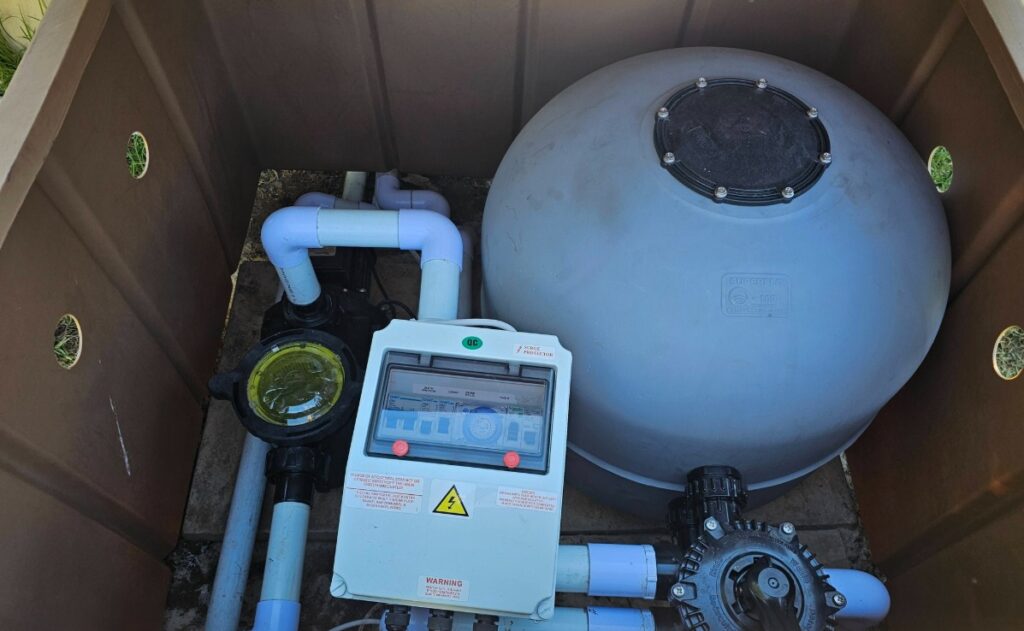
A pump moves water at a certain flow rate, usually measured in liters per minute or cubic meters per hour. Flow rate depends on head pressure, which is the resistance the pump must overcome. Head pressure comes from pipe length, pipe diameter, elbows, valves, filter resistance, heater heat exchangers, solar panels, and return jet restrictions. As resistance increases, flow rate decreases.
This is why you cannot size a pump using pool volume only. Two pools with the same volume can require different pump sizing because one has long plumbing runs and a heater, and the other has short runs and no extra equipment.
The correct sizing goal is a pump that can deliver sufficient flow at your actual head pressure without forcing your filter and multiport valve into high pressure conditions.
Turnover and why it is not the only sizing goal
Many people talk about turnover, meaning circulating the full pool volume through the filter in a certain number of hours. Turnover is useful as a planning guide, but it is not the only factor. Filtration quality also depends on how well water circulates throughout the pool, how well debris is skimmed, and how stable chemistry distribution is.
A lower flow rate running longer can produce better clarity than a high flow rate running briefly, especially with a variable speed pump. Consistent circulation reduces dead zones and improves sanitizer distribution, which helps prevent algae.
So sizing should aim for stable daily filtration and skimming, not only chasing a turnover number.
Filter rating and maximum flow limits
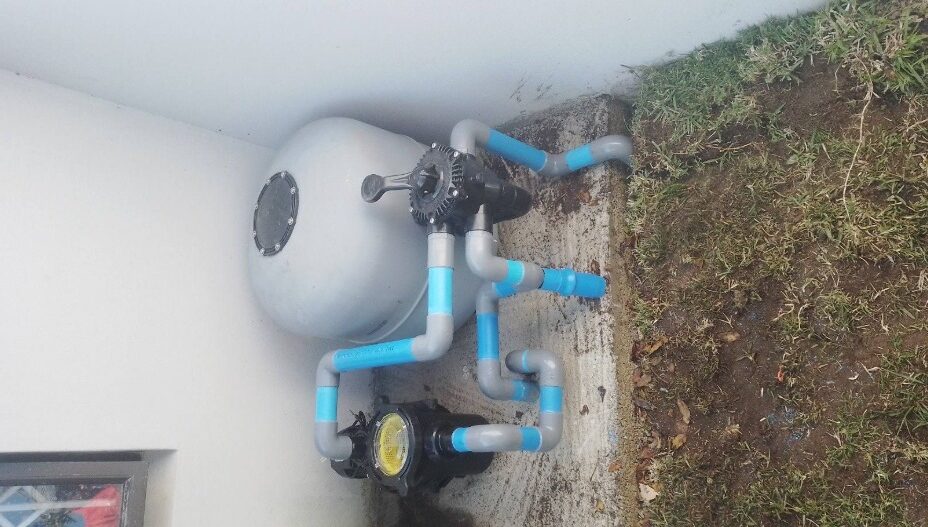
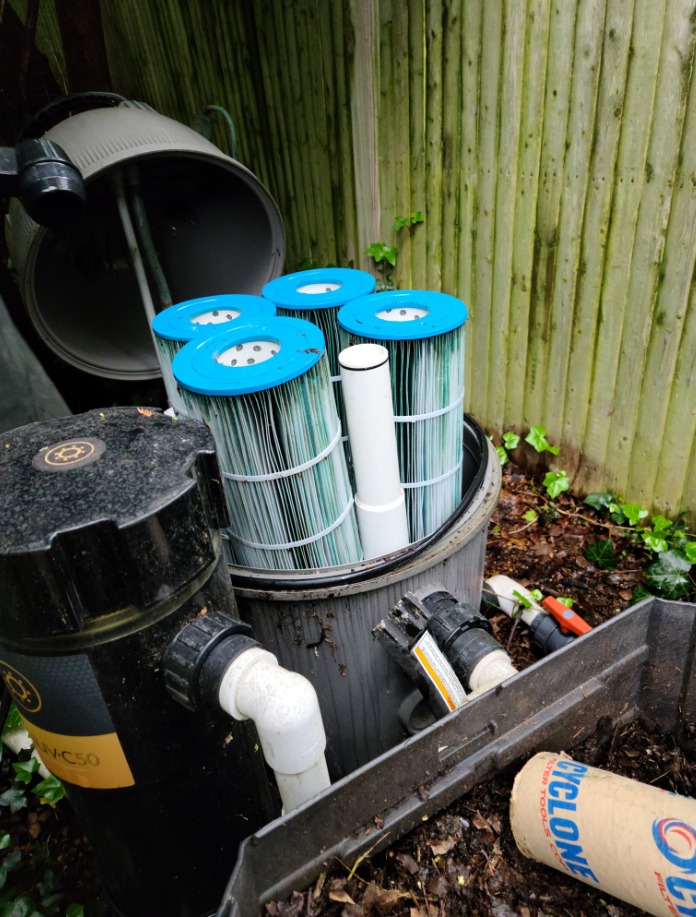
Your filter has a flow rating. Sand filters, cartridge filters, and DE filters each have maximum recommended flow rates. If your pump can push more water than the filter can handle, pressure rises, filtration can worsen, and equipment stress increases. Multiport valves and filter tanks are not designed to operate at excessive pressure long term.
This is why matching pump output to filter capacity is critical. An oversized pump on a small filter creates high pressure problems and frequent maintenance. In many cases, upgrading the pump should also involve confirming filter size is appropriate.
A correctly sized pump keeps filter pressure in a stable range and backwashing and cleaning becomes predictable.
Plumbing diameter and why pipe size limits flow safely
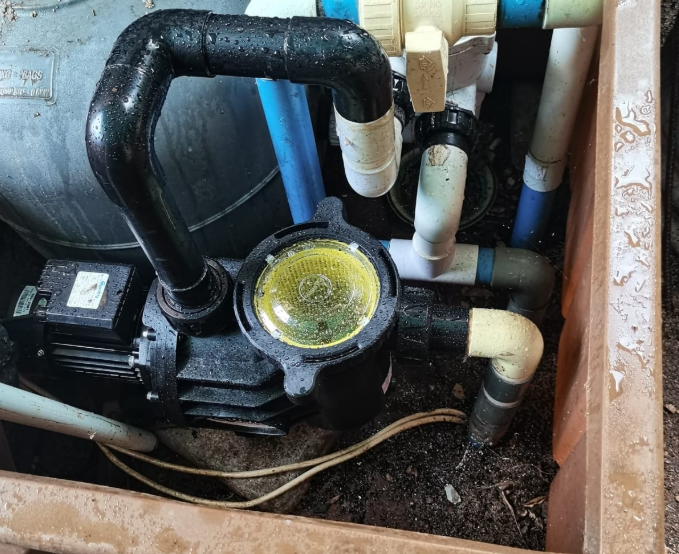
Pipe diameter has a direct effect on resistance. Smaller diameter pipes create higher resistance at the same flow rate. Many older pools have smaller suction and return lines. If you install a large pump on small plumbing, you create high suction velocity, more chance of cavitation, and higher pressure. The pump works harder, noise increases, and leaks develop at weak joints.
A practical sizing approach respects pipe diameter. If plumbing is small and runs are long, a pump that can push extreme flow is not helpful. It will simply push the system into stress. In these cases, variable speed pumps are especially valuable because they allow lower speed operation that respects plumbing limits.
Heater, solar heating, and chlorinator flow requirements
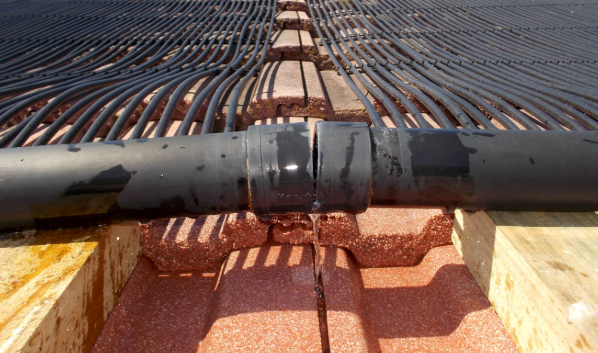
Heaters and chlorinators often need minimum flow to operate. Heat pumps use a flow switch or pressure switch. If flow is too low, they fault. Solar heating loops add resistance and may require higher flow during solar operation. Salt chlorinators also require minimum flow to keep the flow switch closed and to distribute chlorine effectively.
Pump sizing must therefore consider your equipment stack. A pump should be able to meet heating and chlorination flow needs while still operating efficiently during normal filtration. This is why many systems benefit from multiple speed settings, with a lower speed for filtration and a higher speed for heating windows.
If you size too small, you may have a pump that keeps water moving but cannot activate the heater reliably.
Skimming performance and surface movement needs
Skimming is not only about pump power. It is about surface flow toward the skimmer. If the pump is too weak, the skimmer may not pull floating debris effectively. But many skimming problems are caused by return jet direction, wind patterns, and skimmer weir door failure rather than pump size.
Sizing should aim for enough flow to maintain steady skimmer draw and stable return jet movement. A properly positioned weir door and correct return jet angles can improve skimming dramatically without needing a larger pump.
This matters because oversizing a pump to compensate for poor jet direction wastes energy and increases pressure.
Oversized pump symptoms and high pressure problems
An oversized pump often shows as high filter pressure, strong but harsh return jets, frequent leaks at unions, frequent multiport valve gasket wear, and noisy operation. It can also cause sand filters to channel and cartridge filters to clog faster because the flow rate pushes debris into the media aggressively.
Oversized pumps can also make suction side conditions unstable. High suction velocity increases cavitation risk and makes suction air leaks more obvious. If a system has chronic suction bubbles and cavitation noise, an oversized pump on small plumbing can worsen it. If you see these symptoms, downsizing or moving to variable speed control often improves system health.
Undersized pump symptoms and circulation weakness
An undersized pump shows weak return jets, poor skimming, and difficulty maintaining clarity. The pool may develop dead zones and algae in corners because water movement is inadequate. Vacuuming becomes slow and ineffective. Heaters and chlorinators may fail to activate due to low low switch thresholds.
An undersized pump is not always a pump size issue. It can be a restriction issue. Dirty filters, clogged impellers, and suction air leaks can make a correctly sized pump behave like an undersized pump. This is why restrictions should be ruled out before changing pump size.
Practical sizing approach for modern systems
The most practical approach is matching pump capability to your highest demand tasks while planning daily filtration at a moderate flow. If you use a variable speed pump, you can run daily filtration at lower speed and still have a higher speed available for vacuuming, backwashing, and heating.
Choose a pump that works efficiently within your filter flow rating and plumbing capacity. Record filter pressure at your normal filtration speed and ensure it remains stable. Use return jet direction to improve circulation rather than increasing pump power.
If you are upgrading equipment, consider whether your filter is correctly sized. Upgrading pump without upgrading an undersized filter often creates pressure problems.
Pool pump sizing is about flow rate at your actual system resistance, not about raw horsepower. Correct sizing matches the pump to filter capacity, plumbing diameter, and equipment needs such as heaters and chlorinators. Oversized pumps create high pressure stress and wasted electricity. Undersized pumps create weak circulation and poor skimming. Variable speed pumps make sizing easier because they allow different speeds for different tasks, improving clarity and efficiency. When you size correctly, the pool becomes easier to maintain and equipment lasts longer.
FAQs
1. How much water loss is normal for a pool?
About 1/4 to 1/2 inch per day from evaporation is normal in warm weather.
2. Can small leaks cause big damage?
Yes. Even a small leak can cause soil erosion, deck damage, and equipment strain over time.
3. How long does leak repair take?
Minor repairs can take a few hours. Major repairs may take several days.
4. Will insurance cover pool leak repairs?
5. How often should I check for leaks?
Get in touch for expert pool care

Need help? we are always here to assist you with expert care
Need Help
+27 10 065 1995
E-mail us
info@poolquest.co.za