Pump Lid O Ring Replacement
Stop Suction Air Leaks, Fix Prime Loss, and Restore Strong Flow
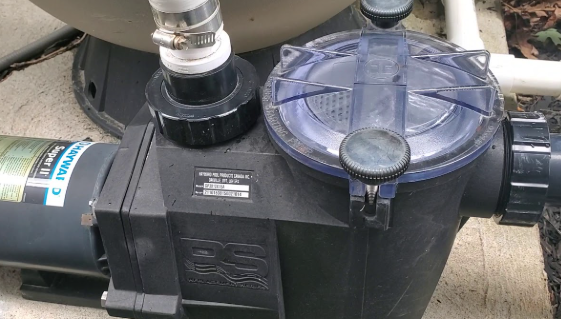
The pump lid O ring is a small rubber seal, but it causes some of the biggest pool circulation problems when it fails. A worn lid O ring lets air into the pump on the suction side. That air creates bubbles in the pump basket, bubbles at return jets, weak suction at the skimmer, and priming problems. Because suction plumbing is under negative pressure while running, a lid O ring leak often does not drip water outward. It pulls air inward, which is why many people miss it and blame the filter, the pump motor, or the plumbing.
Replacing the pump lid O ring is one of the most cost effective fixes in pool maintenance when you have prime instability or persistent bubbles.
Pump lid O ring symptoms: bubbles, cavitation, and loss of prime
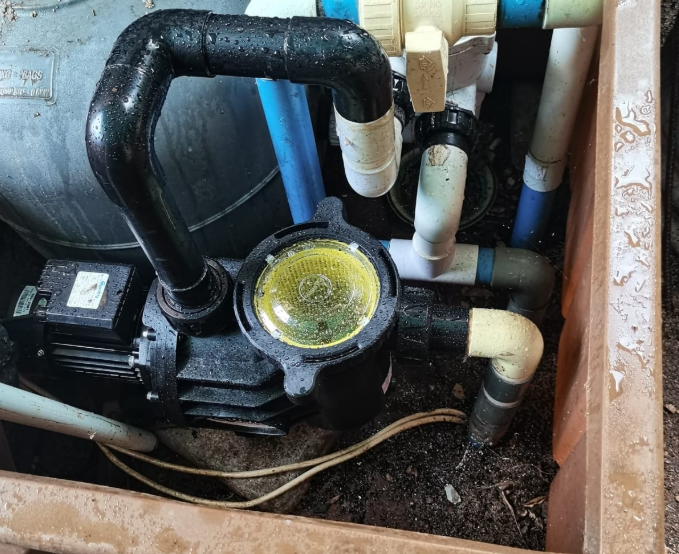
A failing lid O ring usually shows as a pump basket that never stays fully water filled. You see a large air pocket under the clear lid or a steady stream of bubbles swirling inside. Return jets may blow bubbles into the pool. Skimming becomes weaker because suction is unstable. The pump may also sound like it is rattling or crackling, which is cavitation caused by suction starvation and air ingestion.
Another symptom is the pump losing prime when it switches off. Water drains back and the pump basket empties. When you restart, priming takes longer because air has entered the housing.
If these symptoms reduce when you pour water over the lid area while the pump is running, that is another clue the lid seal is leaking, because the water temporarily blocks air entry.
Why lid O rings fail: flatiening, cracks, and dirt on the sealing surface
O rings fail for predictable reasons. They flatten over me, which reduces sealing pressure. They crack as rubber ages and dries. They swell or degrade when exposed to chemicals and heat. They also leak when dirt and grit are trapped in the lid groove or on the lid seattng surface.
Sometimes the O ring is still usable but it is installed incorrectly. It can twist, pinch, or sit out of its groove when the lid is ghtened. A twisted O ring creates small gaps that pull air.
The lid itself can also be part of the issue. A warped lid, cracked lid, or damaged lid clamp can prevent a proper seal even with a new O ring.
Choosing the correct replacement O ring and seal shape
Pump lids use specific O ring sizes and shapes. Some are round cross section rings. Some are flat gasket style seals. The correct O ring must match your pump model so it seats properly and compresses evenly.
If you install a ring that is too thin, the lid will not seal. If you install one that is too thick, the lid may not close correctly and the ring may pinch and fail early. The best practice is to use the pump manufacturer part or a correctly matched equivalent for your pump model.
If you are unsure, take the old O ring to match size, but be aware that an old ring may be stretched. Using the pump model number is the most reliable way to get the correct seal.
Replacement steps: clean groove, seat O ring, and reseal lid correctly
Switch off power at the timer or breaker. Open the pump lid and remove the pump basket. Remove the old O ring from the lid groove. Clean the groove thoroughly. Clean the lid seating surface and the pump housing rim where the lid seals. Dirt here is a common cause of leaks.
Install the new O ring into the groove and ensure it sits flat and evenly. Apply a light coat of silicone lubricant designed for pool O rings. The lubricant helps the ring seat without twisting and helps maintain flexibility. Do not use petroleum based grease because it can damage rubber seals.
Reinstall the pump basket and fill the pump housing with water if priming help is needed. Install the lid evenly. Tighten it firmly but do not force it excessively. Over tightening can warp lids and cause leaks.
Restart and confirm suction stability and bubble reduction
Open the filter air relief valve if your filter has one. Start the pump and let air purge until water flows steadily. Then close the air relief. Watch the pump basket. It should fill and remain mostly full of water, with minimal air pocket. Return jets should show fewer bubbles.
If you still see bubbles, check suction unions and valves. A lid O ring may be one leak point, but suction systems often have multiple small leaks that show up together.
If the lid area still leaks air after replacement, inspect the lid for cracks and check the lid clamp mechanism. A cracked lid will not seal even with a new ring.
Preventing repeat lid O ring failures
Keep the lid groove clean. Dirt is a seal killer. Lubricate the O ring lightly during routine basket cleaning, but do not over lubricate because excess grease a racts dirt. Avoid running the pump dry because heat accelerates rubber aging. Ensure the pump lid is seated evenly every me you close it.
If your pump is exposed to direct sun, consider shading the equipment area while still allowing ventilation, because high heat shortens seal life.
Pump lid O ring replacement is a simple repair that can solve bubbles in the pump basket, return jet bubbles, cavitation noise, weak suction, and prime loss. The key is correct sizing, clean sealing surfaces, and proper seating with light silicone lubricant. A stable lid seal improves circulation and protects the pump from dry running and overheating.
FAQs
1. How much water loss is normal for a pool?
About 1/4 to 1/2 inch per day from evaporation is normal in warm weather.
2. Can small leaks cause big damage?
Yes. Even a small leak can cause soil erosion, deck damage, and equipment strain over time.
3. How long does leak repair take?
Minor repairs can take a few hours. Major repairs may take several days.
4. Will insurance cover pool leak repairs?
5. How often should I check for leaks?
Get in touch for expert pool care

Need help? we are always here to assist you with expert care
Need Help
+27 10 065 1995
E-mail us
info@poolquest.co.za