5 Signs Your Swimming Pool Has a Leak ( and How to Confirm)
Owning a swimming pool is a luxury, but it comes with its fair share of maintenance responsibilities. One of the more serious issues a pool owner can face is a leak. While a slow drip or small crack might seem harmless at first, even a minor leak can waste thousands of gallons of water, damage surrounding structures, and lead to costly repairs if ignored.
The Hidden Cost of a Small Leak

And it’s not just the water you’re losing. The chemicals you’ve paid to balance are being carried away too, meaning you’ll spend more on chlorine, stabilizers, and pH adjusters just to keep up. If you have a heated pool, energy bills can spike because your system works harder to maintain temperature.
Why Early Detection Matters
Small leaks are easier and cheaper to fix. If ignored, leaks can:
- Erode soil around your pool’s foundation.
- Damage decking, landscaping, and nearby structures.
- Cause your pump to run dry and burn out.
The sooner you spot the signs, the more you can minimize repair costs and protect your pool from long term damage.
Sign #1 – Unexplained Water Loss
Understanding Normal Evaporation vs a Leak
Every pool loses some water naturally through evaporation, especially in hot, dry, or windy climates. Depending on your location, losing 1/4 to 1/2 inch per day can be completely normal.
A leak, however, will cause water levels to drop noticeably faster. If you find yourself refilling the pool more than once or twice a week, you might have a problem.
Here’s a quick rule of thumb:
- Normal: You top off your pool slightly each week.
- Suspicious: You’re adding several inches of water every few days.
Simple Measurement Tests
The easiest way to tell the difference between evaporation and a leak is to perform the bucket test (we’ll go into detail later in the article). Essentially, you measure water loss inside a bucket placed in your pool and compare it to the pool’s water loss. If the pool is losing more than the bucket, you have a leak.
Keep in mind: heavy pool usage, splashing, and backwashing can also cause temporary water drops. Always rule those out first.
Sign #2 – Soggy or Wet Spots Around the Pool
How Soil and Landscaping Give Away Leaks
If you notice patches of grass around your pool that are unusually lush, soggy, or sunken, it could mean pool water is escaping underground. This is especially suspicious if it hasn’t rained recently.
Leaks in the pool’s plumbing or shell can slowly saturate surrounding soil. Over time, that moisture can:
- Cause uneven settling of the pool deck.
- Attract pests like termites or mosquitoes.
- Lead to muddy, slippery areas that pose a safety risk.
Risks of Ignoring Ground Saturation
If left unaddressed, underground water movement can undermine your pool’s foundation or cause nearby structures (like patios or retaining walls) to shift. It can even lead to sinkholes in extreme cases.
A professional leak detection company can use pressure testing and listening equipment to pinpoint underground leaks without unnecessary digging.
Sign #3 – Cracks in the Pool Shell or Tiles
Surface Damage That Leads to Water Escape
Over time, exposure to chemicals, temperature changes, and ground movement can cause hairline cracks in concrete pools or loosen tiles along the waterline. These small openings might seem harmless, but they can allow water to seep out.
Vinyl lined pools can also suffer from tiny tears or seam separations that are hard to spot without close inspection.
The Role of Pool Structure in Leak Prevention
Your pool’s surface isn’t just cosmetic it’s the waterproof barrier that keeps water inside. Even a crack the width of a credit card can let gallons escape every day.
When inspecting your pool:
- Look for missing grout between tiles.
- Run your hand along the liner for soft spots or wrinkles.
- Use a waterproof marker to track whether cracks are growing over time.
If damage is spotted, act quickly patching early can prevent costly resurfacing later.
Sign #4 – Air Bubbles in the Return Jets
How Air Gets Pulled into the System
If you see a steady stream of bubbles coming out of your pool’s return jets, it means air is entering the circulation system somewhere it shouldn’t. This can happen when:
- A suction side leak in the plumbing pulls in air.
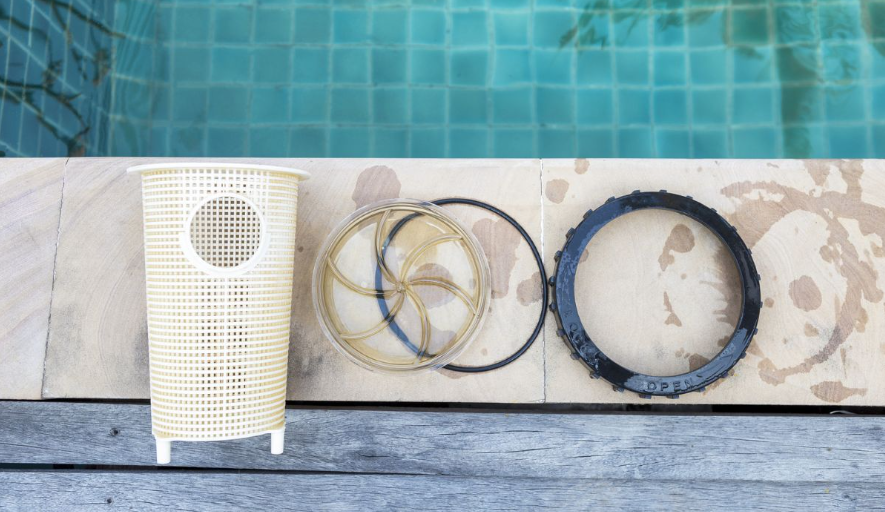
- The pump lid isn’t sealed properly.
- Underground pipes are cracked.
While some bubbles can be normal when the pump first turns on, persistent bubbling during operation can be a sign of trouble.
Common Equipment Related Leak Sources
Leaks can occur at:
- Pump fittings.
- Filter housings.
- Heater connections.
- Underground plumbing lines.
The danger here is that air in the system can reduce pump efficiency, cause cavitation, and damage expensive equipment.
Sign #5 – Sudden Changes in Chemical Balance
Why Leaks Throw Off Water Chemistry
When pool water leaks out, it takes chemicals with it. Fresh water added to replace the loss has no sanitizer or balancing agents. This sudden dilution can throw off your pool’s chemistry.
-
If you find yourself adding chlorine, stabilizer, or pH adjusters more often than normal, it could be because your chemicals are literally leaking out. An unexplained increase in chemical use especially when pool usage hasn’t changed is a common red flag.
How to Spot Chemical Patterns That Indicate Leaks
Keep a maintenance log of chemical levels and additions. If readings drop faster than usual, despite normal weather and usage, start suspecting a leak. Your pool professional can test and confirm if water loss is to blame.
How to Confirm a Swimming Pool Leak
The Bucket Test Step by Step
The bucket test is the simplest way to tell if your pool is losing water from a leak or just evaporation. Here’s how:
- Fill a bucket with pool water until the water inside matches the pool’s water level.
- Place the bucket on a pool step so it’s partly submerged, but make sure it’s stable.
- Mark the water levels inside and outside the bucket with waterproof tape or a marker.
- Wait 24 hours without using the pool.
- Compare the drop in water levels. If the pool level dropped more than the bucket, you likely have a leak.
Dye Testing and Professional Leak Detection
If the bucket test shows you have a leak, dye testing can help find it. A leak detection dye is slowly released near suspected problem areas like cracks, seams, or fittings. If there’s a leak, the dye will get pulled toward it.
For hard to find leaks, professionals use specialized equipment such as electronic listening devices and pressure testing to pinpoint the exact location without major digging or draining.
Common Causes of Pool Leaks
Structural Issues
Cracks in plaster, separation between tiles, or shifting of the pool shell can allow water to escape. This is especially common in older pools or those built on unstable soil.
Plumbing and Equipment Failures
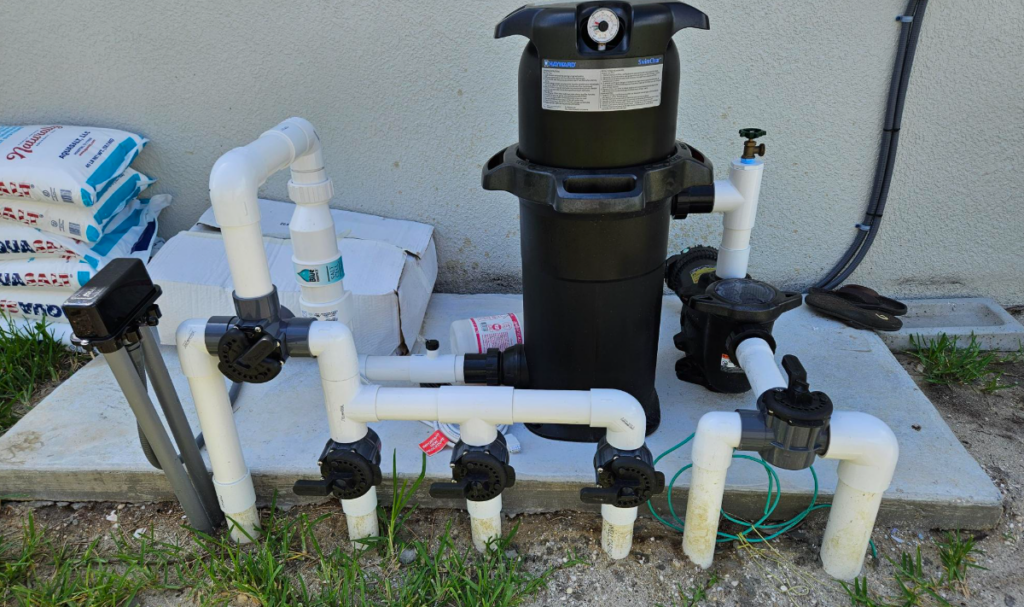
Leaks often occur in underground pipes, pump fittings, filter housings, or heaters. Constant vibration, temperature changes, and pressure can weaken connections over time.
Liner Damage
In vinyl pools, leaks can be caused by tears, seam separation, or punctures from sharp objects. These leaks may start small but can quickly grow if not repaired.
What to Do If You Find a Leak
Temporary Fixes vs Permanent Repairs
If you’ve confirmed a leak, you may be tempted to fix it yourself. While small issues like a tiny liner tear can sometimes be patched with a vinyl repair kit, many leaks require professional tools and expertise.
- Temporary fixes can stop water loss until a pro arrives.
- Permanent repairs ensure the problem doesn’t return.
It’s best to have a qualified technician inspect the leak and repair it properly. Quick DIY work might buy time, but it’s rarely a lasting solution.
When to Call a Professional
Call a pool professional if:
- You can’t see the source of the leak.
- The leak is underground or in the plumbing.
- The pool is losing large amounts of water daily.
A pro can locate the leak without unnecessary digging and repair it before major damage occurs. Pool Quest’s pool leak detection service uses pressure testing, dye testing, and acoustic detection to pinpoint the source fast.
Preventing Future Leaks
Regular Inspection Tips
- Walk around your pool once a month to check for cracks, soft spots, or loose tiles.
- Monitor your water level weekly.
- Keep an eye on grass or soil conditions near the pool.
Early detection is the best defense against expensive repairs.
Importance of Professional Maintenance
Even with regular homeowner checks, professional service is essential. Technicians can:
- Pressure test plumbing lines.
- Inspect pumps, filters, and heaters.
- Spot early signs of wear and tear you might miss.
Having your pool professionally inspected once or twice a year is a smart investment.
A swimming pool leak is more than just a nuisance it’s a costly and potentially damaging problem. By watching for unexplained water loss, soggy areas, cracks, air bubbles, and sudden chemical changes, you can catch issues before they get serious.
Use the bucket test or dye testing to confirm your suspicions, and call a professional for accurate repairs. Regular maintenance and inspections are the best way to keep your pool watertight, safe, and ready for use.
FAQs
1. How much water loss is normal for a pool?
About 1/4 to 1/2 inch per day from evaporation is normal in warm weather.
2. Can small leaks cause big damage?
Yes. Even a small leak can cause soil erosion, deck damage, and equipment strain over time.
3. How long does leak repair take?
Minor repairs can take a few hours. Major repairs may take several days.
4. Will insurance cover pool leak repairs?
5. How often should I check for leaks?
Get in touch for expert pool care

Need help? we are always here to assist you with expert care
Need Help
+27 10 065 1995
E-mail us
info@poolquest.co.za