Pool Waterproofing and Leak Prevention
Where Pools Actually Leak, How Water Moves Behind Surfaces, and How to Stop Repeat Failures
Pool waterproofing is not only about applying a product. It is about controlling where water is allowed to travel and where it must be blocked. A swimming pool is constantly exposed to water pressure, chemical exposure, and movement from soil and temperature changes. Over me, small gaps open at joints, seals harden, grout cracks, and water finds pathways behind tiles, behind coping, through skimmer junctions, and into plumbing trenches. That is how minor surface problems become major leak problems.
This guide explains the real leak pathways in pools, the waterproofing zones that matter, and the preven on approach that reduces repeat repairs.
Pool waterproofing zones: shell, fittings, and the bond beam edge
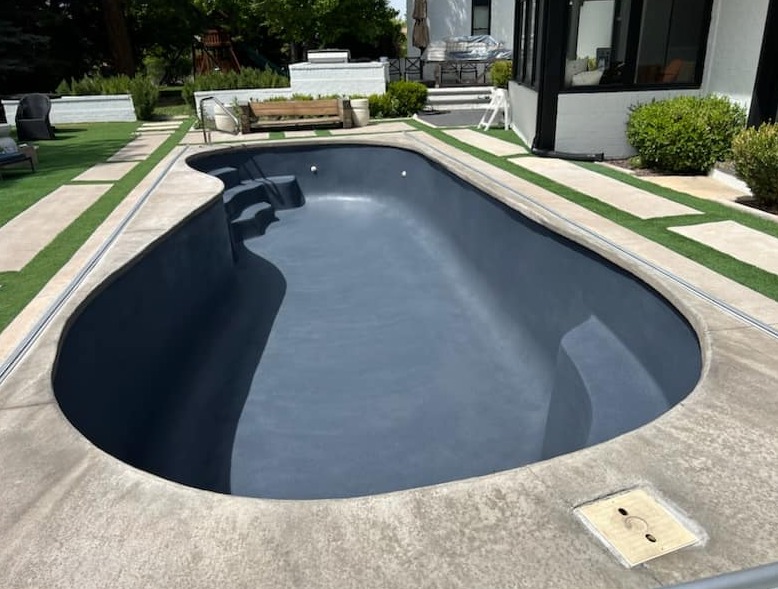
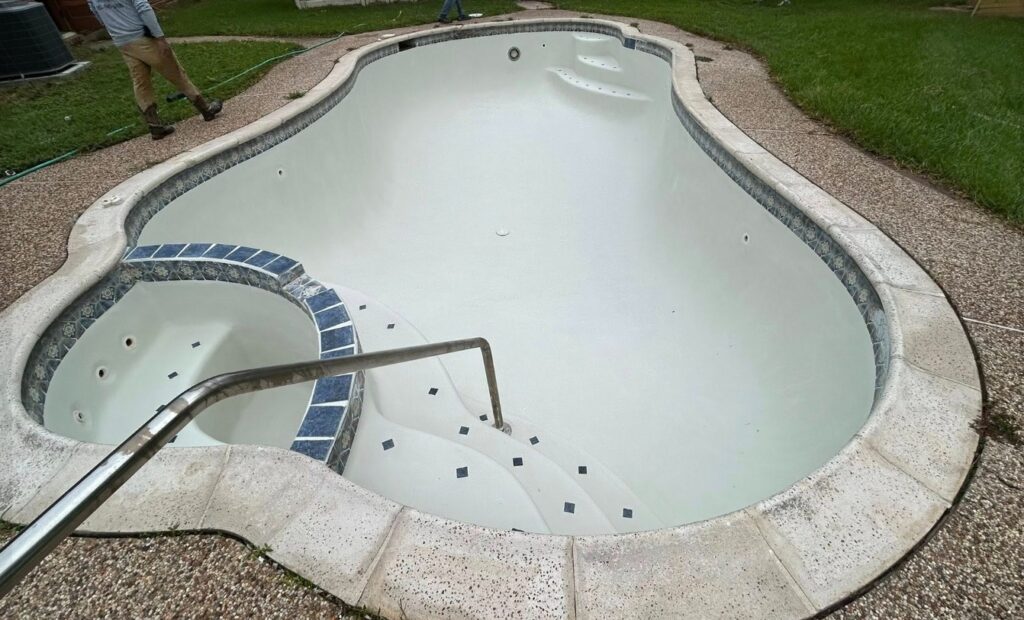
A pool has three main waterproofing zones. The first is the pool shell and finish surface, which includes plaster, marbelite, fiberglass, or vinyl liner systems. The second is the fittings zone, where rigid components such as skimmers, return jets, lights, and main drains meet the structure. The third is the bond beam edge, which includes the coping line, tile line, expansion joint, and deck interface.
Most repeat leaks are not random cracks in the middle of the pool. They are failures in the fitting interfaces and in the edge zone where movement and water infiltration are most likely.
Waterproofing must therefore focus on these high risk interfaces, not only on the visible finish.
How water actually moves behind tiles and coping
When grout cracks or coping joints open, water does not simply disappear straight down. It migrates behind surfaces, especially along the bond beam. Splash water and rainwater can travel into the coping deck joint and then move laterally behind tile lines. This hidden movement weakens mortar bedding and causes tile delamination, hollow sounding coping stones, and grout loss. Eventually it creates cracks that connect to the pool water, which becomes a true leak.
This is why pools with persistent wet edge zones often show popping tiles and recurring skimmer throat cracks. The structure is not failing overnight. Water is weakening the edge system slowly.
Skimmer throat waterproofing and the most common leak interface
The skimmer throat is one of the most common leak points because it is a rigid plastic body bonded to a concrete or gunite shell with plaster around it. Those materials expand and contract differently. Over me, the bond line can crack. When that happens, water can leak behind the skimmer face and travel into surrounding structure.
Leak prevention here depends on maintaining a stable seal between skimmer and shell, keeping cracks sealed early, and ensuring the deck and coping around the skimmer do not push and stress the junction. A failed expansion joint near the skimmer often accelerates skimmer cracks by transmiting deck movement into the skimmer area.
From a repair standpoint, waterproofing this junc on o en involves sealing the interface correctly and ensuring movement joints are functioning so stress is reduced.
Light niche waterproofing and conduit leak pathways
Pool lights introduce another interface zone. A light niche is a cavity in the wall, and the cable runs through conduit to a junction box. Leaks can occur around the niche seal, the lens gasket, or the conduit entry point. Even if the lens gasket is replaced, water can still migrate through conduit if seals are compromised.
Leak prevention includes maintaining lens gaskets and niche seals, ensuring conduit entries are sealed properly, and ensuring the junction box stays dry and above water level. Because conduit can carry water, light leaks can create confusing symptoms such as persistent dampness near electrical points and bubbles in the system if air is being pulled.
Return jet fittings, gaskets, and wall penetration sealing
Return jets and suction fittings are penetra on points through the pool wall. These fittings rely on correct gaskets and correct sealing surfaces. Over me, gaskets harden and threads loosen. Water can leak at the fitting, especially if the fitting is stressed by movement in the wall. Return line leaks often show increased water loss when the pump is running, because return lines are under pressure.
Leak prevention includes periodic inspection for wetness around fittings, ensuring fittings are not loose, and repairing early cracks around returns before movement widens them. The fitting zone is a common place where dye testing can confirm active leaks.
Coping deck expansion joint waterproofing as the edge defense
The expansion joint between coping and deck is one of the most important waterproofing components around a pool. It must remain flexible and sealed. When it fails, water enters the bond beam zone. When rigid material is used instead of flexible sealant, the joint cracks quickly and movement is transferred into coping stones and tile lines.
Preventing leaks at the edge includes maintaining this joint, ensuring deck slope drains away from the pool, and preventing water pooling along the coping line. When this zone is managed correctly, tile and coping repairs last much longer.
Plaster and marbelite crack sealing versus full resurfacing decisions
Cracks in plaster and marbelite finishes are not always leaks, but they can become leak paths if they penetrate deeper layers. Hairline shrinkage cracks often create staining lines and algae grip points. Structural cracks and movement cracks are more likely to leak.
Leak preven on involves addressing cracks early, keeping chemistry stable to prevent surface deteriora on, and managing drainage and movement conditions that create cracking. When cracking is widespread and the surface is delaminating, a resurfacing project may be more effective than repeated crack patches, because waterproofing depends on surface integrity.
Underground plumbing waterproofing principles and trench stability
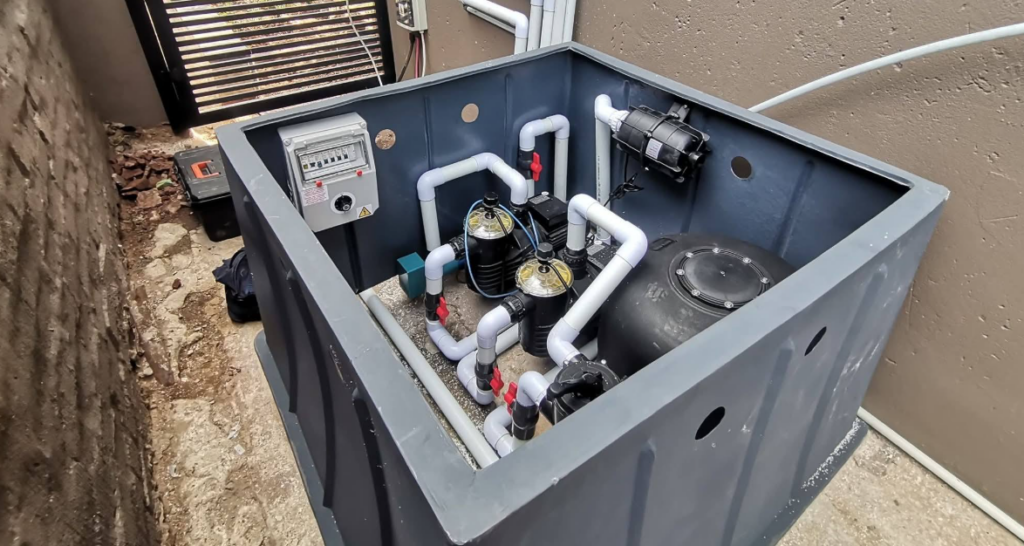
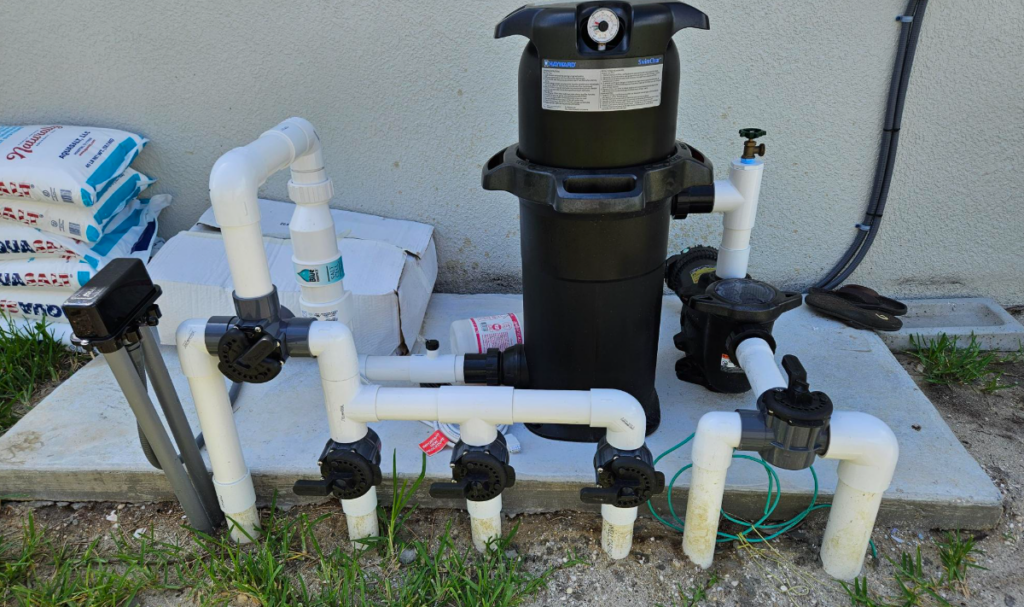
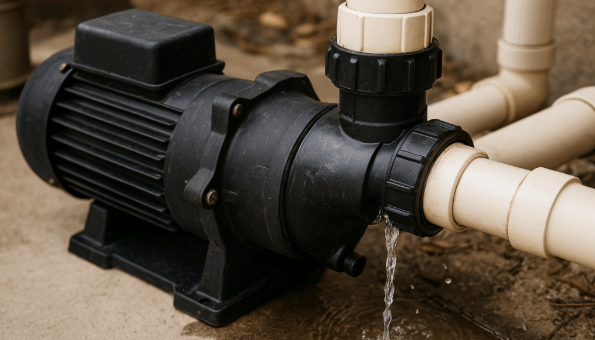
Underground plumbing leaks are often driven by joint stress and trench movement. Waterproofing here is less about coatings and more about stable installation and protection. Pipes need correct bedding support, proper solvent welded joints, and routting that avoids repeated stress points. Drainage problems and saturated trenches increase movement and increase leak risk.
Leak preven on includes controlling stormwater and irrigation near pipe routes, preventing equipment pad flooding, and ensuring backwash discharge does not saturate the area around plumbing.
Leak prevention maintenance routine that actually works
Leak prevention is a routine of early detection and joint maintenance. Monitor water level trends weekly rather than only reacting when loss becomes severe. Check the waste line for multiport leakage during Filter mode. Inspect the coping deck joint for gaps and hardened sealant. Watch for early grout cracking and hollow tiles. Inspect skimmer throats and light niches for micro cracks. Keep drainage away from the pool edge and avoid constant irrigation saturation around the shell.
Also maintain stable water balance. Aggressive water chemistry can weaken grout and plaster and accelerate seal deterioration. Stable pH and balanced alkalinity reduce long term surface damage and reduce scale that can compromise fittings and seals.
How waterproofing work fits into leak detection
Waterproofing is not a replacement for diagnosis. It is prevention and targeted repair. If a pool is actively losing water, confirm leak patterns first using bucket testing, pump on versus pump off testing, waste line checks, and dye testing. Once the leak source is identified, waterproofing measures should be applied to the correct zone. Random sealing without diagnosis can mask symptoms temporarily but does not stop the root pathway.
Leak prevention is most effective when it is guided by patterns and known weak points rather than by guesswork.
Pool waterproofing and leak prevention is about controlling the interface zones where leaks actually start. Skimmer throats, light niches and conduits, return fittings, coping deck expansion joints, tile lines, and trench stability are the highest risk areas. Water migration behind surfaces is the hidden mechanism that turns small failures into recurring leaks. By maintaining joints, managing drainage, sealing early cracks correctly, and keeping water chemistry stable, you reduce repeat repairs and extend the life of finishes and fittings.
FAQs
1. How much water loss is normal for a pool?
About 1/4 to 1/2 inch per day from evaporation is normal in warm weather.
2. Can small leaks cause big damage?
Yes. Even a small leak can cause soil erosion, deck damage, and equipment strain over time.
3. How long does leak repair take?
Minor repairs can take a few hours. Major repairs may take several days.
4. Will insurance cover pool leak repairs?
5. How often should I check for leaks?
Get in touch for expert pool care

Need help? we are always here to assist you with expert care
Need Help
+27 10 065 1995
E-mail us
info@poolquest.co.za