Pool Skimmer Repair and Replacement
Skimmer Box Cracks, Weir Door Problems, Suction Leaks, and When Replacement Makes Sense
A pool skimmer is more than a basket that catches leaves. It is the main intake point that pulls surface water into the circulation system. When a skimmer is working properly, it draws floating debris into the skimmer throat, the basket traps larger debris, and water flows smoothly to the pump. When a skimmer is damaged or leaking, the pool can lose water, the pump can suck air, suction can become weak, and circulation becomes unstable. Many cloudy and green pool problems begin with poor skimming because surface debris is not being removed efficiently.
This guide explains common pool skimmer failures, how to identify skimmer leaks, what repairs typically involve, and when skimmer replacement is the smarter option.
Pool skimmer function and surface debris capture
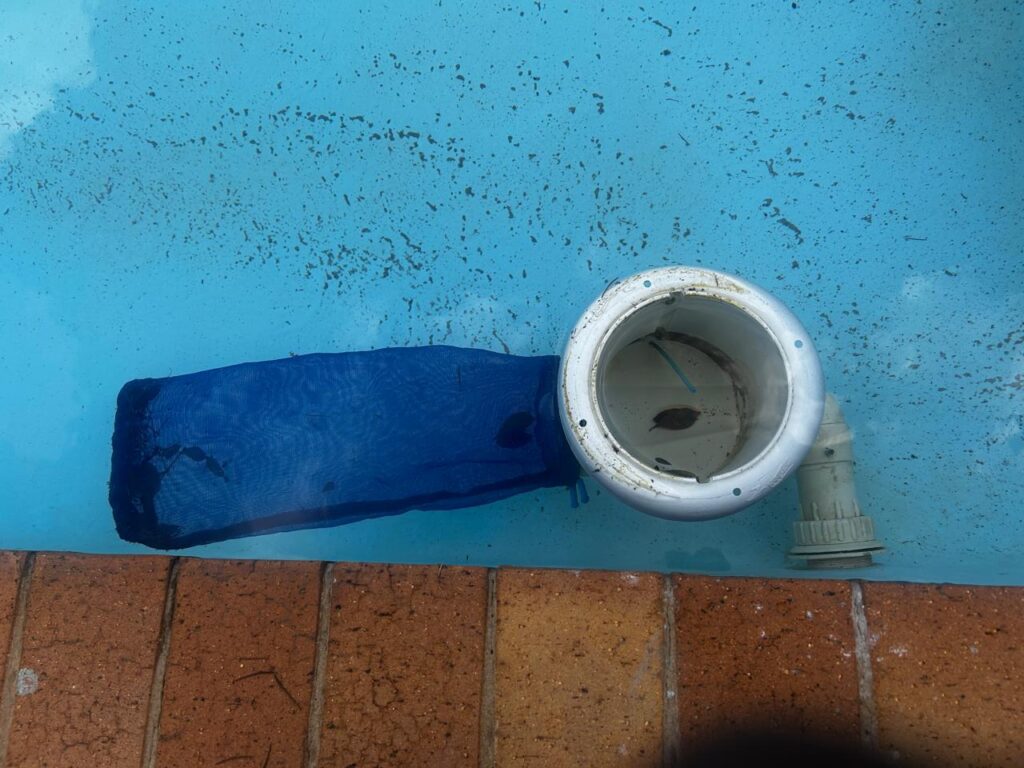
A skimmer sits at the waterline and creates a surface draw. As return jets push water across the pool, floating debris such as leaves, insects, pollen, and oils move toward the skimmer mouth. The skimmer weir door helps maintain steady suction by preventing debris from floating back out when the pump cycles off. Inside the skimmer box, the skimmer basket catches larger debris before water travels through the suction line to the pump strainer basket and impeller.
When the skimmer system is healthy, surface cleaning happens continuously, chlorine demand is lower because debris is removed before it decays, and the filter has an easier job because fewer organics enter the system.
Skimmer leak symptoms and water level drop patterns
A skimmer leak often shows as a pool that loses water until it reaches a specific level, usually around the bottom of the skimmer opening. Once the water drops below the leak point, the loss may slow or stop. This pattern is a strong clue because it connects water loss to the height of the skimmer throat or skimmer box.
Skimmer leaks also cause suction side air leaks. If water level is near the skimmer opening and the skimmer has cracks or failed seals, the pump may pull air, creating bubbles in the pump basket and bubbles at the return jets. The pump may struggle to prime, or it may lose prime more easily. This combination of water loss and bubbles is a classic skimmer problem signal.
Another symptom is constantly damp ground around the skimmer area or small cracks visible in the skimmer throat and surrounding plaster. In some cases, you may notice algae growth near the skimmer area because leaking water can keep nearby surfaces damp.
Skimmer throat cracks and separation from the pool shell
Skimmer throat cracks occur where the skimmer mouth meets the pool wall. This is a high stress junction because different materials meet, and movement over me can cause separation. In marbelite and plaster pools, small cracks can form around the skimmer faceplate area and allow water to leak behind the skimmer.
Skimmer separation can also occur when the skimmer box shifts slightly away from the pool shell. This creates a gap where water escapes. These issues often worsen over me and can be accelerated by ground movement and repeated temperature changes.
Repair options depend on severity. Minor throat cracks may be sealed and reinforced. Larger separations often require more extensive repair and may involve opening the area and rebuilding the junction.
Skimmer weir door failure and suction stability problems
The skimmer weir door is the hinged flap at the skimmer mouth. When it works, it stabilises surface draw and prevents backflow of debris. When it is stuck, broken, missing, or poorly sized, the skimmer can vortex and pull air, especially when the water level is slightly low. This creates air ingestion, bubbles in the pump basket, and weak suction.
Weir door problems often show up as inconsistent skimming, poor surface cleaning, and pump prime instability. Replacing the weir door is usually a simple repair but it has a large impact on suction stability and circulation performance.
Skimmer basket damage and pump impeller protection
A cracked skimmer basket allows debris to pass through into the suction line, which increases the chance of pump basket clogging and impeller blockage. A missing basket can cause immediate debris flow into the plumbing. If leaves and debris reach the pump impeller, you can experience weak flow, pump strain, and repeated clogs.
Replacing a damaged skimmer basket is a low cost repair that protects the pump wet end and reduces the chance of service call outs for impeller cleaning.
Suction line connection and skimmer bottom port leaks
Leaks can occur at the plumbing connection where the suction line connects to the skimmer bottom port. The skimmer may be intact but the pipe connection can crack or the seal can fail. This type of leak may not be visible from the pool surface and often requires inspection and testing. If the pool loses more water when the pump is running, the leak may be in the suction plumbing because pump operation changes pressure conditions in the line.
Professional testing often involves pressure testing the sucton line to confirm whether the leak is in the pipe run. If the pipe is leaking underground, repair may require excavation and repair, or rerouting the line depending on access.
Dye testing and leak confirmation around the skimmer
Dye testing is useful for confirming skimmer throat and faceplate leaks. With the pump off and water calm, dye is released near suspected crack lines or joints. If dye is pulled into a gap, it indicates a leak path. Dye testing is not reliable for underground pipe leaks, but it is effective for confirming leaks at visible skimmer junction points.
Water level observation also remains important. If the water consistently stabilises at the skimmer level, the skimmer area remains a priority suspect.
Skimmer repair options: sealing, reinforcement, and replacement
Skimmer repair can range from simple to complex. Replacing a weir door or basket is straightforward. Sealing minor cracks around the skimmer throat may solve small leaks if the structure is stable. Reinforcement repairs address separation and movement issues. In more severe cases, skimmer replacement is required, especially if the skimmer box is cracked, warped, or severely separated from the pool shell.
Replacement involves removing the old skimmer, installing a new skimmer body, reconnecting plumbing, and rebuilding the surrounding pool wall area. This is more invasive, but it can be the most reliable long term fix when the skimmer body itself is compromised.
When skimmer replacement makes more sense than repair
Replacement becomes the smarter decision when the skimmer body has significant cracking, when previous patching has failed, or when separation is structural and continues to open over me. Replacement is also more practical when the skimmer is very old and parts are difficult to match. If repeated leaks and suction instability are causing pump prime issues and water loss, replacement reduces long term risk and prevents repeated repairs.
After repair or replacement: circulation and leak confirmation
After any skimmer repair, refill the pool to the correct waterline. Restart circulation and check pump prime stability. Look for bubbles in the pump basket and return jets. Confirm that skimming action is strong and the weir door moves freely. If the repair was leak related, run a short bucket test over 24 hours to confirm water loss has normalised. If the skimmer suction line was involved, confirm there are no wet patches near plumbing runs and that suction strength remains stable.
A pool skimmer affects water clarity more than most people realise because it controls surface debris removal and suction stability. Cracked skimmer throats, failed weir doors, damaged baskets, and plumbing connection leaks can all cause weak suction, air bubbles, water loss, and poor filtration performance. Early repairs protect the pump and filter and reduce algae risk. When the skimmer body is structurally compromised, replacement is often the most reliable long term fix.
FAQs
1. How much water loss is normal for a pool?
About 1/4 to 1/2 inch per day from evaporation is normal in warm weather.
2. Can small leaks cause big damage?
Yes. Even a small leak can cause soil erosion, deck damage, and equipment strain over time.
3. How long does leak repair take?
Minor repairs can take a few hours. Major repairs may take several days.
4. Will insurance cover pool leak repairs?
5. How often should I check for leaks?
Get in touch for expert pool care

Need help? we are always here to assist you with expert care
Need Help
+27 10 065 1995
E-mail us
info@poolquest.co.za