Marbelite Pool Care Guide
Cleaning, Brushing, Stains, Cloudiness, and Green Pool Recovery.
A marbelite pool finish is a plaster based surface that o en contains marble aggregate. It is strong and it looks premium, but it has a textured feel compared to fiberglass or a vinyl liner. That texture is the reason marbelite pools can hold fine dust, algae film, and oils more easily. When your cleaning routine matches the surface, a marbelite pool stays bright and clear for a long time.
When the routine is too light, the surface slowly builds grime that eventually shows up as dull water, slippery walls, and stubborn algae patches.
The macro goal for marbelite pool maintenance is consistent clarity and a surface that stays smooth and healthy. The micro actions that support that goal are steady brushing, smart filtra on habits, stable sani zer levels, and pH control that protects the plaster finish from long term wear.
What makes marbelite different from other pool surfaces

Marbelite is slightly porous and textured, which means it can trap par cles and biofilm in ny surface Marbelite is slightly porous and textured, which means it can trap par cles and biofilm in ny surface irregularites. That does not mean it is hard to maintain. It means brushing matters more, and it means you should not rely on filtra on alone.
When filtra on runs but brushing is neglected, the water can look okay for a while, yet algae still anchors on the walls and corners because it has a surface to grip. Over me, that creates a cycle where the pool becomes cloudy more easily and turns green faster a er rain or hot weather.
This is why marbelite cleaning routines are built around surface agita on. The surface must be kept clean so algae cannot establish a base layer. Once that base layer is controlled, the rest of pool care becomes much easier.
The right brush and technique for a marbelite pool
A marbelite pool needs a brush that can reach into surface texture without damaging the finish. Most pool owners use a nylon brush or a combina on brush designed for plaster. The aim is firm contact, not aggressive scraping. If you brush too lightly, you only move water over the surface and do not remove the film. If you brush too aggressively with grit on the floor, you can grind particles into the finish and increase roughness over time.
The best technique is to brush in overlapping strokes, starting at the waterline and moving down the walls, then finishing on the floor. Corners, steps, and behind ladders should get extra attention because circula on is weaker there. Brushing should be followed by enough pump run time so the filter can capture what you loosened rather than letting it resettle.
Clear marbelite pool water maintenance
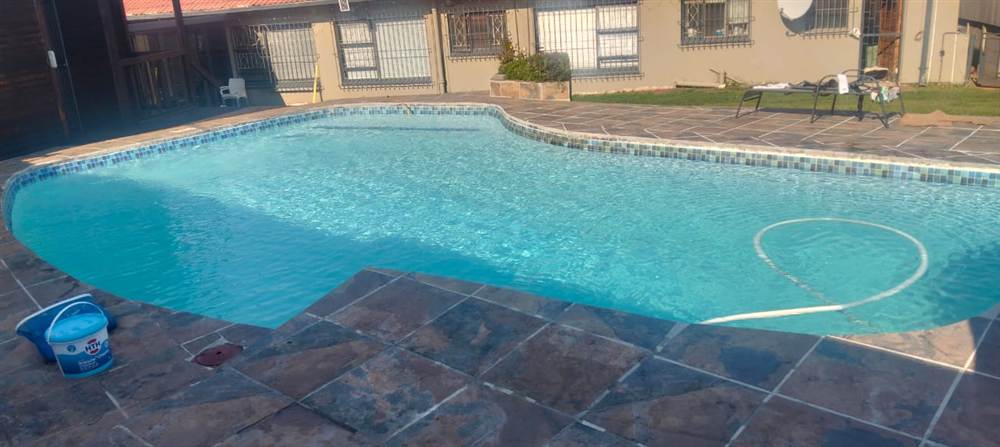
When marbelite pool water is clear, the temptation is to reduce cleaning. That is when problems quietly start building. Clear water maintenance is about preventing the thin layer of oils and dust from forming on the walls and floor. If you keep that film under control, the pool stays easier to sanitize, and chlorine is not wasted figh ng hidden biofilm.
A clear marbelite pool benefits from frequent skimming, weekly brushing, and consistent filtra on. Skimming matters because leaves and pollen decay quickly in warm water and they also stain plaster surfaces if they sit too long. Brushing matters because the surface texture holds dust and early algae. Filtration matters because a marbelite pool often releases fine particles during brushing, and those particles need me to be captured. The result is a pool that stays polished instead of slowly turning dull even though it looks clean at first glance.
Cloudy marbelite pool water recovery
Cloudiness in a marbelite pool usually comes from fine dust, early algae, or filtration that is not keeping up with debris load. The surface texture can hide fine particles until you disturb them. That is why many marbelite pool owners brush and suddenly the water looks worse. That temporary cloud is not failure. It is the debris being released so the filter can finally remove it.
The correct approach is to brush thoroughly, then run the pump long enough to filter the suspended particles. During cloudy recovery, your filter will clog faster than normal, so you need to clean it when pressure rises. A sand filter will need backwashing at the right time, followed by a rinse step to avoid sending dirty water back into the pool.
A cartridge filter will need rinsing and possibly soaking if oils are involved. Cloudy water can also be a chemistry signal. Low chlorine levels or high pH can cause persistent haze. Testing and correcting those basics while continuing filtration is usually the fastest way back to clear water.
Green marbelite pool algae cleanup
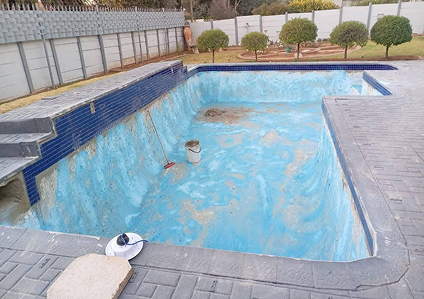
A green marbelite pool means algae has taken hold in the water and on the plaster surface. Because marbelite is textured, algae can cling ghtly, especially in shaded corners and along steps. Brushing is essential because it breaks algae off the surface and exposes it to chlorine. Without brushing, algae can survive in small protected spots even while the water looks like it is improving.
Start by removing leaves and debris. Organic matter consumes chlorine and slows the algae kill. Brush the entire pool, especially around fittings, behind ladders, and in corners. Raise sanitizer to an effective level and keep it there until the green disappears.
Keep filtration running as much as possible because dead algae is very fine and needs time to be trapped. As algae dies, the pool often turns cloudy grey. That cloudy stage is dead algae and fine particles. Continue filtering and clean the filter as it loads until clarity returns.
Marbelite stains and how to prevent them
Marbelite pools can stain from leaves, algae residue, and metals in the water. Prevention is faster debris removal, stable sanitizer, and consistent brushing. If stains appear, identify the type before you treat it.
Organic stains often fade as chlorine remains stable and the surface is brushed regularly. Metal stains require different treatment and can be linked to source water or corroding equipment. The biggest stain prevention habit is not ltting organic material sit on the plaster surface for long periods.
A simple marbelite pool rou ne you can stick to
A sustainable marbelite pool routine includes skimming often, brushing weekly, running the pump consistently, and cleaning the filter when pressure rises. The surface and water must be managed together. When you keep the surface clean, the water stays clearer with less chemical effort.
FAQs
1. How much water loss is normal for a pool?
About 1/4 to 1/2 inch per day from evaporation is normal in warm weather.
2. Can small leaks cause big damage?
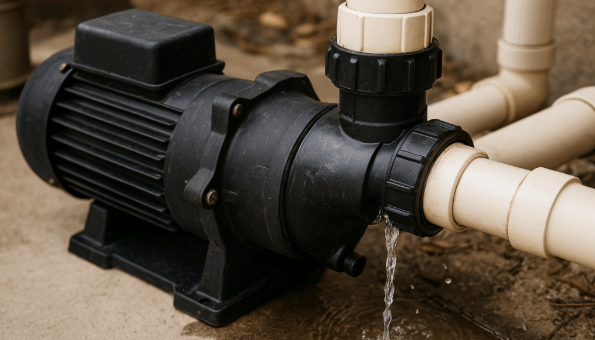
Yes. Even a small leak can cause soil erosion, deck damage, and equipment strain over time.
3. How long does leak repair take?
Minor repairs can take a few hours. Major repairs may take several days.
4. Will insurance cover pool leak repairs?
5. How often should I check for leaks?
Get in touch for expert pool care

Need help? we are always here to assist you with expert care
Need Help
+27 10 065 1995
E-mail us
info@poolquest.co.za