Pool Chlorinator Repair
Salt Cell Problems, Flow Switch Faults, Low Chlorine Output, and How to Restore Sanitising.
A pool chlorinator is designed to keep free chlorine steady without constant manual dosing. In a salt water pool system, the salt cell generates chlorine from dissolved salt through electrolysis. In tablet feeders and inline chlorinators, chlorine is delivered by controlled dissolution. When a chlorinator fails, the most common result is low free chlorine, cloudy water, and algae risk even though the pump is running and the filter is working. Chlorinator problems are often misdiagnosed because many failures are actually caused by poor water flow, dirty filters, incorrect settings, or scaling on the cell rather than an electronic fault.
This guide explains common chlorinator symptoms, the components that usually fail, and the correct repair order that restores chlorine output without guessing.
Low chlorine output symptoms and free chlorine testing clues
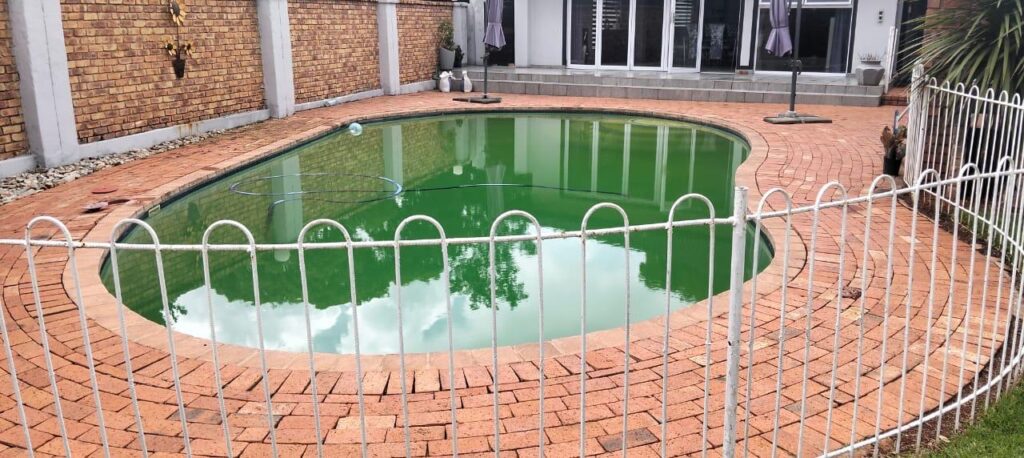
The first symptom is usually water chemistry. Free chlorine drops, combined chlorine rises, and the pool starts looking dull. You may notice slippery walls, algae starting in corners, or cloudy water that does not polish clear. Many pool owners respond by adding shock repeatedly without addressing why the chlorinator is not producing enough chlorine.
A practical diagnosis starts with testing free chlorine and pH. If free chlorine remains low despite the chlorinator being set high, and if the pool requires frequent manual top ups, the chlorinator is not keeping up. This can be caused by cell scaling, incorrect salt level, low flow, short pump run me, or a failing cell.
Flow rate, filter pressure, and chlorinator flow switch faults
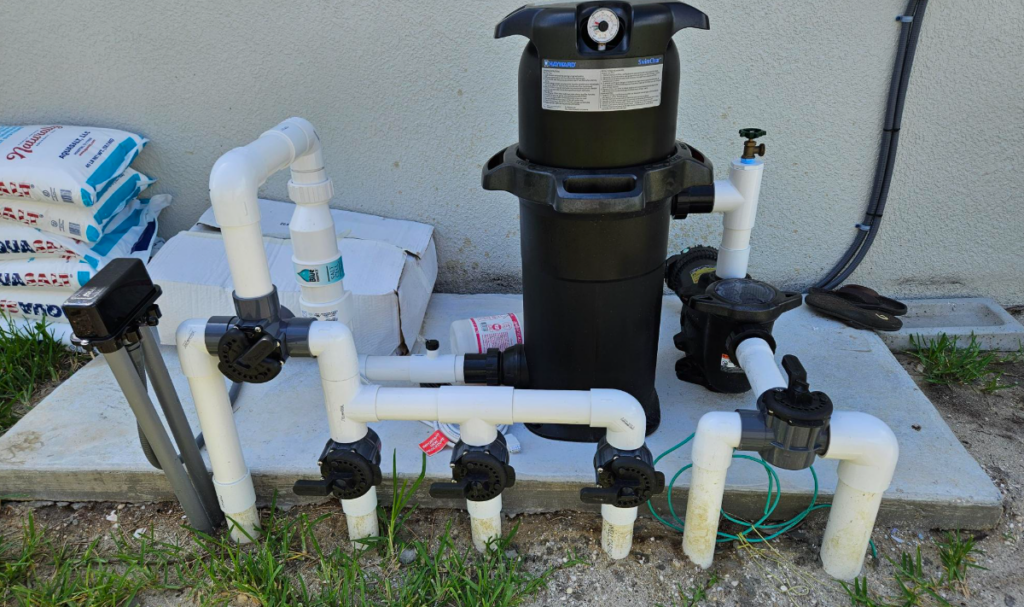
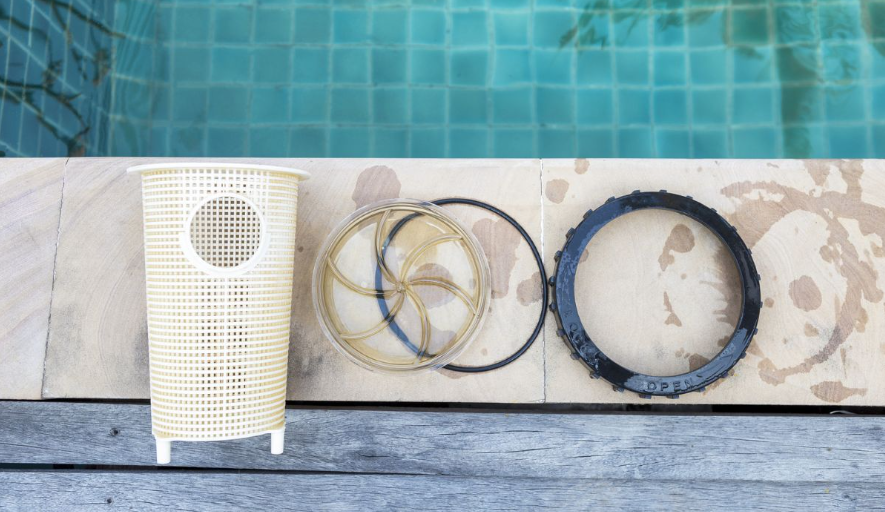
Most chlorinators rely on a flow switch to confirm that water is moving through the cell. If water flow is too low, the chlorinator shuts down to prevent gas buildup and protect the cell. This is why chlorinators often show no output when the real problem is circulation. A dirty sand filter, clogged cartridge, loaded DE grids, clogged pump basket, or clogged impeller can reduce flow enough to trigger a flow switch fault.
Check filter pressure and return jet strength first. If return jets are weak, restore flow by cleaning baskets and the filter. Confirm that valves are open and bypass valves are not mispositioned. Once flow is strong, flow switch errors often disappear without replacing any electronics.
Salt level, water temperature, and output settings on salt chlorinators
Salt chlorinators require correct salt concentration. If salt is too low, the cell cannot generate enough chlorine and the control unit may show a low salt warning. If salt is too high, some systems also fault or reduce output. Water temperature matters too. Many salt systems reduce output or shut down in cold water to protect the cell. This can look like failure in winter even though it is normal behaviour.
Output settings and pump run time also matter. A salt cell cannot produce chlorine if it is not running long enough. If pump run time is short, the cell has limited hours to generate chlorine. In a medium pool with heavy use, short run me can cause chronic low chlorine even if the system is healthy.
Check salt level with a reliable test method, confirm water temperature, confirm output percentage settings, and confirm daily run hours before assuming the cell has failed.
Salt cell scaling, calcium buildup, and cleaning the cell safely
Cell scaling is one of the most common chlorinator failures. Calcium scale coats the plates inside the salt cell and reduces chlorine generation. This is more common when pH is frequently high and calcium hardness is elevated. Symptoms include low chlorine output, fluctuating salt readings, and reduced cell amperage depending on system type.
Cell inspection usually reveals white crusty deposits on the plates. Cleaning restores output in many cases. The correct approach is to follow manufacturer guidance, because excessive acid cleaning can shorten cell life by damaging coatings. Many systems recommend a mild acid wash only when visible scale is present, and only for a short me, followed by thorough rinsing. Preventing scale by keeping pH stable reduces the need for repeated acid cleaning.
Control box, power supply, and chlorinator error codes
If flow is strong, salt level is correct, and the cell is clean but chlorine output is still poor, the issue may be electrical. Control boxes and power supplies can fail. Wiring connections can corrode. Sensors can drift. Error codes provide direction, but they should not be treated as final diagnosis without confirming the basics.
A common pattern is a system that powers on but shows no cell activity. Another pattern is a system that trips or resets repeatedly. These issues often require professional electrical testing because incorrect handling can be unsafe.
Chlorinator cell life, wear indicators, and when replacement is necessary
Salt cells have a finite life. Over me, the coating on the plates wears and chlorine production drops even if the cell looks clean. If the cell has been cleaned correctly, salt and flow are correct, run me is sufficient, but output remains low, the cell may be at end of life.
Another indicator is inconsistent performance. The pool may hold chlorine sometimes, then suddenly drop, despite stable conditions. If the control unit shows abnormal amperage or voltage readings depending on model, that can also indicate cell wear.
Replacement is the correct solution when the cell no longer produces adequate chlorine under normal operating conditions.
Tablet feeder and inline chlorinator issues: clogging and dosing failures
If you use an inline tablet chlorinator rather than a salt cell, common problems include clogged feeder lines, stuck control dials, cracked housings, and poor dissolution. Tablets can bridge and stop dissolving. Feeders can clog with residue. Water flow through the feeder can be restricted if valves are mispositioned.
Repair often involves cleaning the feeder, replacing O rings, and ensuring proper flow through the chlorinator line. Tablet feeders also influence pH and stabilizer levels, so water balance and stabilizer monitoring matter for long term performance.
Preventing repeat chlorinator problems
Stable water balance reduces scale. Keeping pH controlled reduces calcium deposits on salt cells. Cleaning filters on me keeps flow switches happy. Maintaining adequate pump run me ensures sufficient chlorine generation. Regular inspection of the cell or feeder prevents small issues from becoming pool wide problems. If you use a salt system, avoid unnecessary acid cleaning and only clean the cell when scale is visible.
FAQs
1. How much water loss is normal for a pool?
About 1/4 to 1/2 inch per day from evaporation is normal in warm weather.
2. Can small leaks cause big damage?
Yes. Even a small leak can cause soil erosion, deck damage, and equipment strain over time.
3. How long does leak repair take?
Minor repairs can take a few hours. Major repairs may take several days.
4. Will insurance cover pool leak repairs?
5. How often should I check for leaks?
Get in touch for expert pool care

Need help? we are always here to assist you with expert care
Need Help
+27 10 065 1995
E-mail us
info@poolquest.co.za