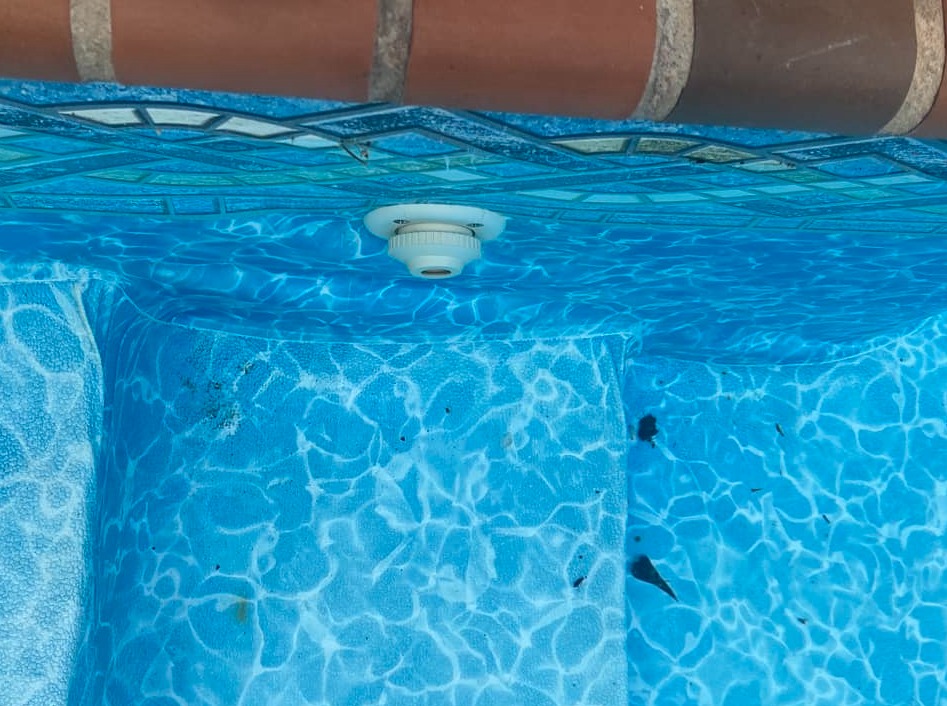
Pool Water Returning Weak From Jets
Flow Rate Problems, Filter Pressure Clues, and How to Restore Strong Returns
Weak return jets are one of the most useful early warning signs in a swimming pool system. The return jets are where filtered water reenters the pool, so their strength reflects how well the pump and filter are moving water through the plumbing. When the jets are strong, circulation is healthy, skimming improves, and chemicals distribute evenly. When the jets become weak, the pool often turns cloudy, dead zones form in corners, and algae risk rises because sanitizer is not mixing properly.
Weak returns are not one single problem. They are a symptom of resistance, restriction, or poor pump performance. The quickest solution comes from diagnosing whether the restriction is on the suction side, inside the filter, at the multiport valve, or on the return plumbing itself.
Weak return jet symptoms and what they usually mean
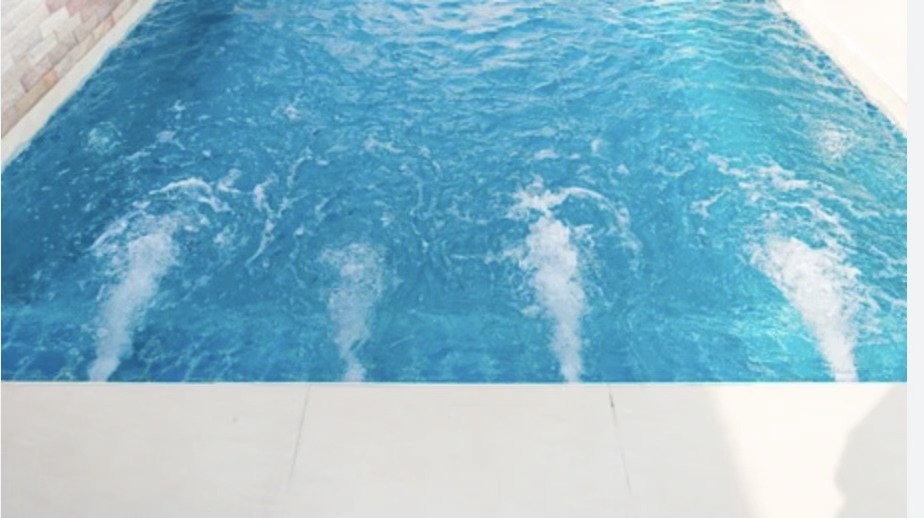
Weak return flow is usually noticed as a so er stream at the eyeball fittings, reduced surface movement, and poor circulation patterns. You may also no ce the skimmer pulling less effectively because surface water is not being driven toward it. In many cases, weak jets show up after vacuuming, after storms, or during algae cleanup because filters load rapidly and pump baskets clog more often.
A key clue is whether weak jets happen suddenly or gradually. A sudden drop points to a blockage, a valve change, or an impeller issue. A gradual drop points to filter loading, scale buildup, or slowly developing suction air leaks.
Return jet eyeball fitting and nozzle blockage checks
Return jet fittings can clog with debris, scale, or broken fragments of plastic. Eyeballs and directional nozzles have narrow openings that restrict flow by design, so even small debris can reduce the jet strength no ceably. Remove the eyeball and inspect it. If there is grit, leaves, or calcium scale, clean it thoroughly and reinstall.
In some pools, return lines include small screens or fittings that trap debris. Inspect those if your system has them. A blocked return nozzle often produces one weak jet while others remain strong. If all jets are weak, the issue is more likely upstream.
Filter pressure gauge and dirty filter diagnosis for weak returns
A dirty filter is the most common cause of weak return jets. The pressure gauge tells you if the filter is restricting flow. When pressure rises above your clean baseline, the sand bed, cartridge pleats, or DE coating is loaded with debris and water cannot pass easily. As resistance increases, the pump pushes harder, pressure climbs, and flow through the returns decreases.
For a sand filter, backwashing and rinsing should restore flow if the sand bed is simply dirty. For a cartridge filter, rinsing the cartridge can restore flow, and deep cleaning may be needed if oils are embedded. For a DE filter, backwashing and recharging, or a full grid clean, restores flow when the DE layer is loaded.
If pressure is high and jets are weak, the filter is a strong suspect. Clean the filter first before chasing plumbing issues.
Pump strainer basket and skimmer basket restrictions
Baskets are the simplest restrictions and also the most frequently ignored. A skimmer basket packed with leaves starves the pump, reducing suction and reducing return flow. A pump strainer basket packed with debris restricts water entry into the impeller. In both cases, jets weaken and circulation becomes unstable.
Clean baskets and ensure the pump lid O ring is sealing properly. If the pump lid is pulling air, you will often see bubbles under the clear lid and at the return jets. Air reduces flow and weakens jet strength.
Pump impeller clog and flow rate loss
A partially clogged impeller can create weak return jets while the pump still runs and sounds normal. Debris packed into the impeller throat reduces the amount of water the pump can move. This produces low flow rate throughout the system. Filter pressure may read lower than normal because less water is reaching the filter, which confuses diagnosis if you only look at the gauge.
If you have weak returns and normal or low filter pressure, suspect the impeller. Inspect and clear the impeller opening behind the pump basket with the power off. This is one of the most common hidden causes of weak returns after storms or heavy vacuuming.
Suction air leaks and cavitation effects on return strength
Air entering the suction side reduces pump efficiency. The pump is designed to move water, not air. When air leaks occur at the pump lid O ring, suction unions, or skimmer body cracks, the pump basket fills with bubbles and the return jets weaken. This often comes with a rattling or gravel like cavitation sound, especially when the water level is low or the skimmer vortex is pulling air.
Fixing air leaks restores flow quickly. Clean and lubricate the pump lid O ring, tighten suction unions, maintain proper water level, and ensure the skimmer weir door is functioning properly.
Multiport valve position and spider gasket issues
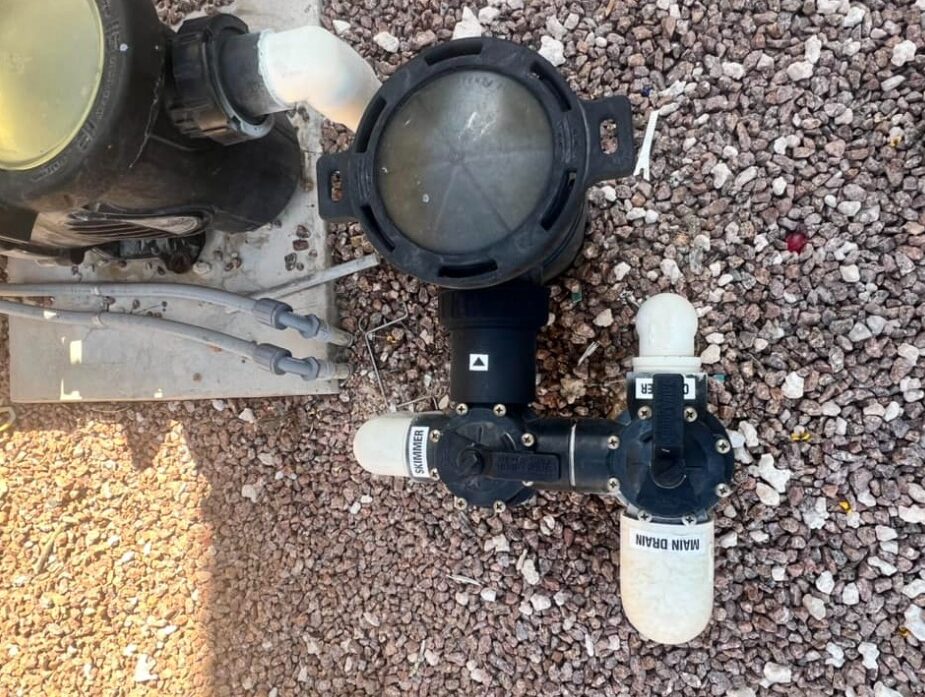
A sand filter multiport valve can contribute to weak returns if it is not sealing properly or if it is partially between settings. A worn spider gasket can cause internal bypass, which reduces efficient filtration and can affect flow paths. In some cases, water leaks to waste while on Filter, which reduces return flow and wastes water at the same time.
Confirm the valve is fully locked into Filter mode and that you always switch the pump off when changing valve settings. If you see water at the waste line during Filter mode, the valve likely needs a spider gasket replacement or rebuild.
Return side valve restrictions and heater bypass problems
If baskets are clean and the filter is clean but jets remain weak, the restriction may be on the return side plumbing. Partially closed return valves, a stuck check valve, a heater bypass valve mispositioned, or a solar heating line restriction can reduce return flow. Return restrictions usually raise filter pressure because the pump is pushing against a bottleneck after the filter.
Check that all return valves are open. If you have a heater, confirm the bypass is correct and the heater is not clogged. If you have solar, ensure the solar valve settings are correct and that airlocks are not present in the raised plumbing.
A practical fix sequence for weak return jets
Start by cleaning skimmer and pump baskets and confirming pool water level is adequate. Check and clean return eyeball fittings. Look at the filter pressure gauge and clean the filter if pressure is above baseline. If pressure is normal or low, inspect the impeller for debris. If bubbles are visible in the pump basket, address suction air leaks at the lid O ring and unions. Confirm multiport valve is sealing and not leaking to waste. Then check return side valves and any heater or solar components for restrictions.
This order solves most weak return problems without unnecessary work.
Weak return jets are a circulation warning sign. They usually come from dirty filters, clogged baskets, impeller blockages, suction air leaks, multiport valve sealing issues, or return side restrictions. When you troubleshoot in the correct sequence, you restore flow, improve filtration, and reduce the risk of cloudy or green water.
FAQs
1. How much water loss is normal for a pool?
About 1/4 to 1/2 inch per day from evaporation is normal in warm weather.
2. Can small leaks cause big damage?
Yes. Even a small leak can cause soil erosion, deck damage, and equipment strain over time.
3. How long does leak repair take?
Minor repairs can take a few hours. Major repairs may take several days.
4. Will insurance cover pool leak repairs?
5. How often should I check for leaks?
Get in touch for expert pool care

Need help? we are always here to assist you with expert care
Need Help
+27 10 065 1995
E-mail us
info@poolquest.co.za