Pool Cavitation
What It Sounds Like, Why It Happens, and How to Fix It Before It Damages Your Pump
Pool cavitation is one of the most important warning signs a pump can give you. It happens when the pump is not getting enough water and the pressure inside the wet end drops so low that tiny vapor bubbles form and collapse. Those collapses create noise and vibration and can erode pump components over me. Many pool owners describe it as a gravel sound, a crackling sound, or marbles rattling inside the pump. Cavitation often comes with weak circulation, air in the pump basket, and unstable prime.
This guide explains how to recognise cavitation, what causes it on the suction side, and the practical steps that usually fix it fast.
Cavitation sound symptoms and what the pump basket shows
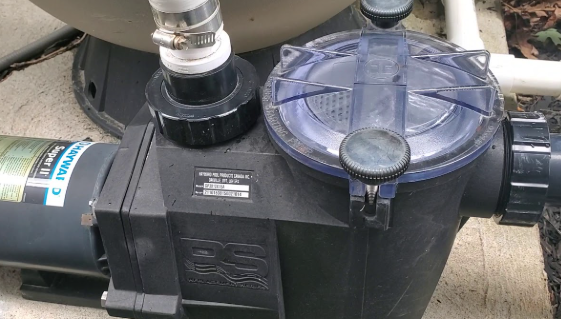
The classic cavitation sound is a harsh crackling or rattling sound that is different from normal motor hum. It often becomes louder when suction is restricted and may change when valves are adjusted. In many cases, you will also see bubbles in the pump strainer basket and a turbulent water surface under the lid rather than a calm basket that stays mostly full of water.
Return jets may feel weaker because the pump is not moving full volume. Skimming becomes poor and vacuum suction becomes inconsistent. If cavitation is severe, the pump may struggle to prime, lose prime, or run hot.
Cavitation is not just a noise issue. It is a symptom of poor suction conditions and should be corrected before the pump wet end and shaft seal take damage.
Why cavitation happens: suction starvation and low inlet pressure
A pump needs a steady supply of water at the suction inlet. If water supply is restricted, the pump creates stronger negative pressure to pull water. When inlet pressure drops too low, water can partially vaporize at the impeller eye. Those vapor bubbles collapse as pressure changes within the impeller, creating the crackling noise and micro impacts that cause wear.
Cavitation is therefore a suction side problem. It is usually not caused by the return line. It is usually not fixed by backwashing alone unless the filter issue is contributing to flow instability. The highest value diagnosis is finding what is starving the pump.
Low pool water level and skimmer vortex air ingestion
One of the most common cavitation triggers is low pool water level. If water drops below the middle of the skimmer opening, the skimmer can vortex and pull air. Air ingestion reduces the pump’s ability to move water and increases suction instability. This can produce cavitation sound, bubbles in the pump basket, and weak return jets.
A missing or broken skimmer weir door makes this worse because it allows surface vortexing to form more easily. If cavitation improves after topping up water and restoring stable skimmer draw, you have confirmed the cause.
Clogged skimmer basket, pump basket, and suction restriction
Restriction before the pump will starve water supply and cause cavitation. A skimmer basket packed with leaves reduces water entering the line. A pump strainer basket full of debris reduces water reaching the impeller. In both cases, the pump is forced to pull harder and inlet pressure drops.
Clean both baskets and confirm the pump basket fills and stabilises. If the cavitation noise reduces immediately after cleaning baskets, the restriction was the cause.
If baskets are clear but cavitation persists, the restriction may be deeper, such as a partially clogged suction line or a partilly clogged impeller throat.
Pump lid O ring leaks and suction air leaks at unions and valves
Suction air leaks often accompany cavitation. A dry or damaged pump lid O ring can pull air into the pump, creating bubbles and unstable flow. Loose suction unions and worn valve stem seals can also pull air. Because suction plumbing is under negative pressure, these leaks may not drip water outward while the pump runs, which is why they are often missed.
Service the pump lid O ring by cleaning it and lubricating it lightly with silicone lubricant. Tighten suction unions by hand and inspect for damaged O rings. If bubbles reduce and the pump basket becomes more water filled, the suction leak was a primary contributor.
Cavitation often becomes quieter when suction air leaks are fixed because the pump is no longer ingesting air pockets that disrupt flow.
Clogged impeller throat and internal wet end restrictions
A partially clogged impeller can starve flow even when baskets are clean. Debris that bypassed a cracked basket can pack into the impeller throat. This reduces the effective inlet area and creates suction starvation conditions. Cavitation sound can then appear even when water level is correct and the lid seal is good.
With power off, remove the pump basket and inspect the impeller opening behind the basket. Remove hair clumps and debris carefully. If cavitation reduces after clearing the impeller, you have identified a wet end restriction as the cause.
In severe cases, the pump wet end may need to be opened to clean the diffuser and impeller fully.
Valve positioning and suction selector restrictions
Many pools have suction selector valves that choose between skimmer, vacuum line, and main drain. Cavitation can occur when a valve is partially closed, when suction is split incorrectly, or when one suction line is restricted and the system is trying to pull through it.
A practical test is to change suction selection and observe whether cavitation changes. If cavitation is worse on skimmer only, the skimmer line may be restricted or pulling air. If cavitation is worse on main drain only, the main drain line may be restricted. If cavitation reduces when a certain line is closed, that line is likely the problem.
Valve stem seals can also leak air. If cavitation changes when you move the valve slightly, valve servicing may be needed.
Filter pressure and system resistance interaction
Cavitation is mainly suction side, but high resistance can worsen overall operating conditions. A severely dirty filter reduces system flow and can contribute to poor circulation, making cavitation symptoms more noticeable. Check filter pressure gauge readings and clean the filter if pressure is elevated. Ensure return valves are open and return jets are not blocked.
If cavitation remains after filter cleaning, focus back on suction supply and air leaks because that is where cavitation is created.
Why cavitation damages pumps over me
Cavitation creates repeated micro impacts on the impeller and pump housing. Over me, this can erode the impeller, reduce efficiency, and increase vibration. Cavitation also increases heat and strain, which shortens mechanical shaft seal life. Many shaft seal leaks and bearing problems are accelerated by long term cavitation conditions.
Fixing cavitation early protects the pump wet end, keeps flow stable, and prevents repeat failures that look like unrelated pump problems.
A practical cavitation fix sequence
Start by topping up pool water to the correct level and confirming the skimmer weir door is present. Clean the skimmer basket and pump basket. Service the pump lid O ring and ensure the lid seals properly. Check suction unions and valves for air leaks and restrictions. Inspect and clear the impeller throat. Confirm suction selector valves are positioned correctly and isolate suspicious lines to identify restrictions. Clean the filter if pressure is high. Retest and listen for cavitation reduction.
This sequence targets the most common causes in the right order.
Pool cavitation is a suction starvation warning. It sounds like gravel or crackling, often shows bubbles in the pump basket, and usually comes from low water level, skimmer vortexing, clogged baskets, suction air leaks, valve restrictions, or impeller blockage. Correcting cavitation quickly restores stable circulation and prevents damage to the impeller, shaft seal, and motor.
FAQs
1. How much water loss is normal for a pool?
About 1/4 to 1/2 inch per day from evaporation is normal in warm weather.
2. Can small leaks cause big damage?
Yes. Even a small leak can cause soil erosion, deck damage, and equipment strain over time.
3. How long does leak repair take?
Minor repairs can take a few hours. Major repairs may take several days.
4. Will insurance cover pool leak repairs?
5. How often should I check for leaks?
Get in touch for expert pool care

Need help? we are always here to assist you with expert care
Need Help
+27 10 065 1995
E-mail us
info@poolquest.co.za