Pool Backwash Line Installation and Repair
Waste Plumbing Setup, Multiport Valve Connections, Leaks, and Safe Discharge
A pool backwash line is the waste plumbing that carries dirty water away from your filter during backwashing and rinsing. On a sand filter or DE filter with a multiport valve, the backwash line is essential because it is the only route for flushing trapped debris out of the filter media. When the backwash line is installed correctly, backwashing is strong, waste water exits freely, and the filter resets properly. When the line is poorly installed or damaged, backwash flow becomes weak, the equipment area floods, the pool loses water unexpectedly, or water leaks to waste even in Filter mode.
This guide explains how a backwash line should be set up, how to identify common backwash plumbing failures, and how repairs and upgrades are typically done.
Backwash line function and multiport valve waste port routing
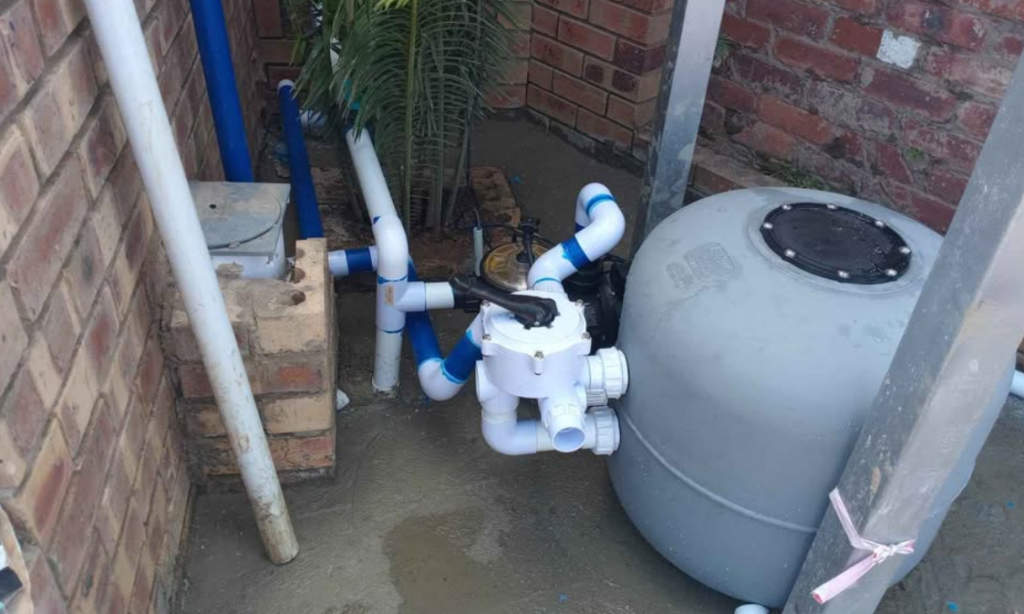
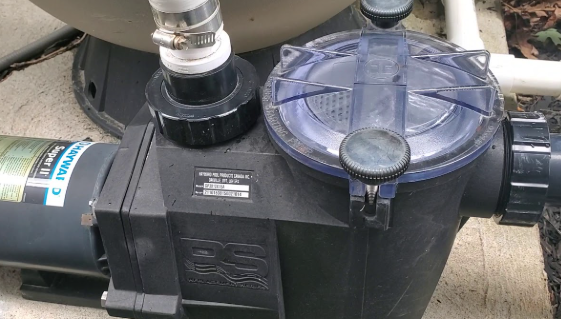
A multiport valve has a dedicated waste port that directs water out of the system during Backwash, Rinse, and Waste settings. In Filter mode, water should return to the pool through the return line, not through the waste port. The backwash line connects to this waste port and carries discharge water to a drain point, soakaway, or suitable disposal location.
Backwash flow must be strong because the sand bed or DE coating needs enough reverse flow to lift and release debris. If the backwash line restricts flow, the filter does not clean properly and pressure stays high. This is why backwash plumbing is not only about where water goes, but also about maintaining correct flow rate during the cleaning cycle.
Backwash line installation options: hose, rigid PVC, and dedicated drain runs
Some pools use a flexible backwash hose that is attached during backwashing and stored afterward. This approach is simple, but hoses can kink, collapse, and leak, which reduces discharge and creates floods. A more permanent method is a rigid PVC waste line that is permanently connected to the multiport valve waste port and runs to a drain or disposal area. A dedicated drain run is usually more reliable and reduces the risk of discharge flooding near the equipment pad.
The best option depends on your property layout and disposal requirements. The key requirements remain the same. The waste pathway must allow strong flow, must be securely connected, and must discharge safely without eroding soil or flooding structures.
Backwash line sizing, fittings, and flow restriction risks
Backwash lines should match the waste port size and should avoid unnecessary restrictions. Too many tight elbows, long narrow runs, or undersized pipes reduce flow. Reduced flow makes backwashing ineffective because the filter media is not lifted properly. It also raises pressure during backwash, which strains the multiport valve and can stress pipe joints.
Fittings and unions should be installed so the line can be serviced. A union near the multiport valve helps with valve replacement and maintenance. Clamps and hose adaptors should be secure, because a loose adaptor can spray water during backwash and flood the equipment area.
Common backwash line problems: leaks, flooding, and weak discharge
A damaged backwash line usually shows up as water leaking near the multiport valve when you backwash, or as flooding around the equipment pad. Another common symptom is weak discharge flow at the drain point, which suggests a kinked hose, clogged waste line, or undersized plumbing. If backwash water is not flowing freely, the filter will not clean properly, and pressure will remain high when you return to Filter mode.
Another major symptom is water leaking to waste while the valve is set to Filter. This is not usually a backwash line fault. It is usually a multiport valve spider gasket or diverter sealing problem. The backwash line makes it visible because it shows the leak at the discharge point. If you see steady flow at the waste line during Filter mode, the valve needs repair, but the backwash line is doing its job by revealing the loss.
Backwash line blockage and waste discharge point clogs
Backwash lines can clog if discharge goes into a drain that accumulates debris, sand, or sludge. Fine debris from backwash can settle and build up over me. If the line discharges into a soakaway area, soil collapse or root intrusion can reduce flow. A blocked waste line causes poor backwashing because the filter cannot flush dirt out efficiently.
Signs of blockage include weak backwash flow, water backing up near the valve connection, and pressure staying high even after long backwash cycles. Clearing blockages should be done carefully. Forcing high pressure through old waste plumbing can cause pipe separation or leaks. Controlled clearing and inspection is safer.
Backwash line repair: hose replacement, union fixes, and PVC section replacement
Repairs depend on the failure point. If a flexible backwash hose is split, brittle, or kinked, replacement is usually the fastest fix. If a hose adaptor is leaking at the multiport waste port, replacing the clamp, gasket, or adaptor can stop spray leaks. If rigid PVC has a cracked joint or a split section, the damaged section is cut out and replaced with new pipe and fittings.
Union leaks are fixed by replacing the union O ring or reseating the union properly. Threaded fittings at the multiport waste port should be sealed correctly and not overtightened, because overtightening can crack plastic threads.
After repair, the backwash line should be tested under full backwash flow to confirm there are no drips and that discharge is strong at the end point.
Safe backwash discharge and water loss management
Backwashing removes water from the pool. A long backwash cycle can lower water level enough to affect skimmer suction. This is especially important during algae cleanup when you may backwash more often. Monitor pool water level and top up as needed so the pump does not pull air.
Discharge location matters too. Backwash water contains dirt and somemes high chlorine content. It should not flood foundations or erode soil around the equipment pad. A stable drain point reduces mess and reduces the chance of water returning toward the pool area. Local rules can apply to waste discharge, so the practical approach is to discharge to a suitable drain or soakaway designed for the volume.
Multiport valve waste line leaks and spider gasket diagnosis
If the backwash line is installed correctly but you see water flowing to waste during Filter mode, the multiport valve is not sealing internally. The spider gasket is the most common cause. A worn gasket allows cross flow to the waste port. This creates constant water loss and reduced return flow. Repair typically involves replacing the spider gasket or rebuilding the valve assembly.
This is an important distinction. The backwash line is rarely the cause of water leaking during Filter mode. It is usually revealing a valve sealing issue.
A properly installed backwash line supports strong backwash flow, safe waste discharge, and effective filter cleaning. Most backwash problems come from kinks, clogs, undersized plumbing, loose adaptors, or poor discharge points. Repairs range from simple hose replacement to rigid PVC section replacement and union servicing. If water leaks to waste in Filter mode, the multiport valve spider gasket is often the true culprit, not the backwash plumbing itself.
FAQs
1. How much water loss is normal for a pool?
About 1/4 to 1/2 inch per day from evaporation is normal in warm weather.
2. Can small leaks cause big damage?
Yes. Even a small leak can cause soil erosion, deck damage, and equipment strain over time.
3. How long does leak repair take?
Minor repairs can take a few hours. Major repairs may take several days.
4. Will insurance cover pool leak repairs?
5. How often should I check for leaks?
Get in touch for expert pool care

Need help? we are always here to assist you with expert care
Need Help
+27 10 065 1995
E-mail us
info@poolquest.co.za