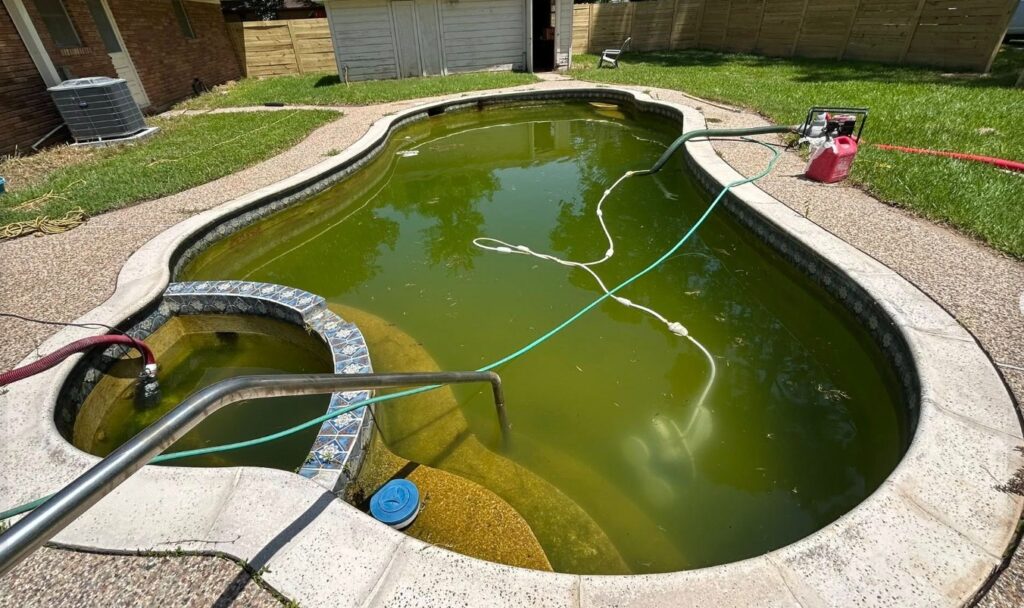
Cloudy Water After Backwash
Why It Happens, What It Means About Your Filter, and How to Fix It
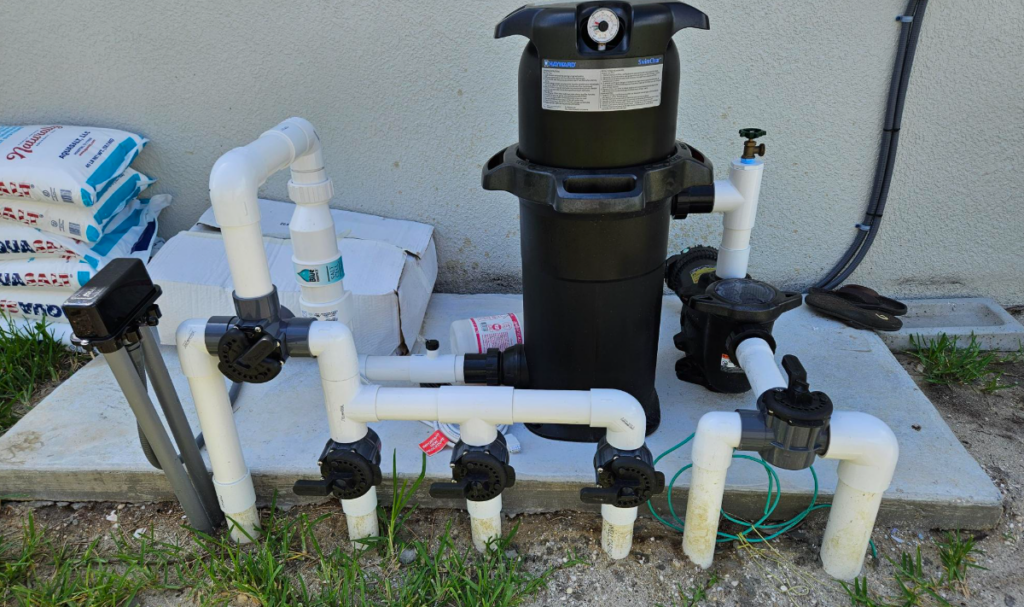
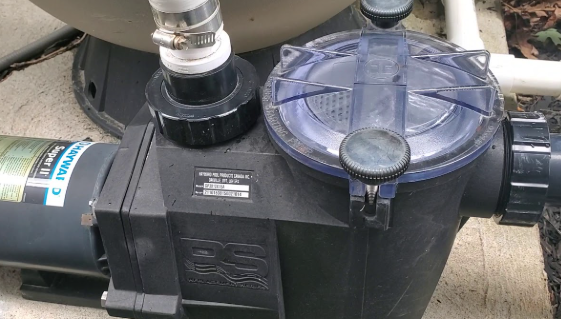
Backwashing is supposed to improve filtration, not make the pool look worse. Yet many pool owners backwash a sand filter and then see a cloudy burst from the return jets or notice the pool stays hazy for hours or days. Cloudy water after backwash usually means one of three things. The sand bed did not settle properly, dirty water was sent back to the pool, or the filter is not trapping fine particles effectively. In some cases, it also points to a multiport valve problem or damaged internal filter parts.
This guide explains the most common causes of cloudiness after backwash, how to diagnose which one you have, and the correct fixes that restore clear water.
Cloudy burst from return jets right after backwash
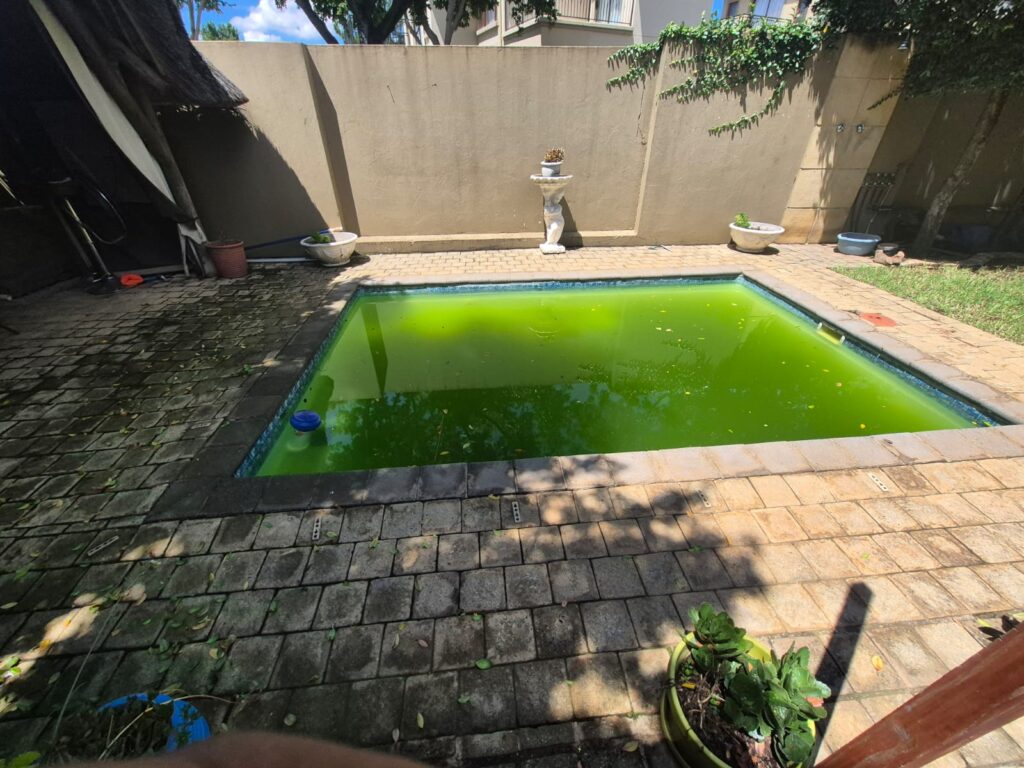
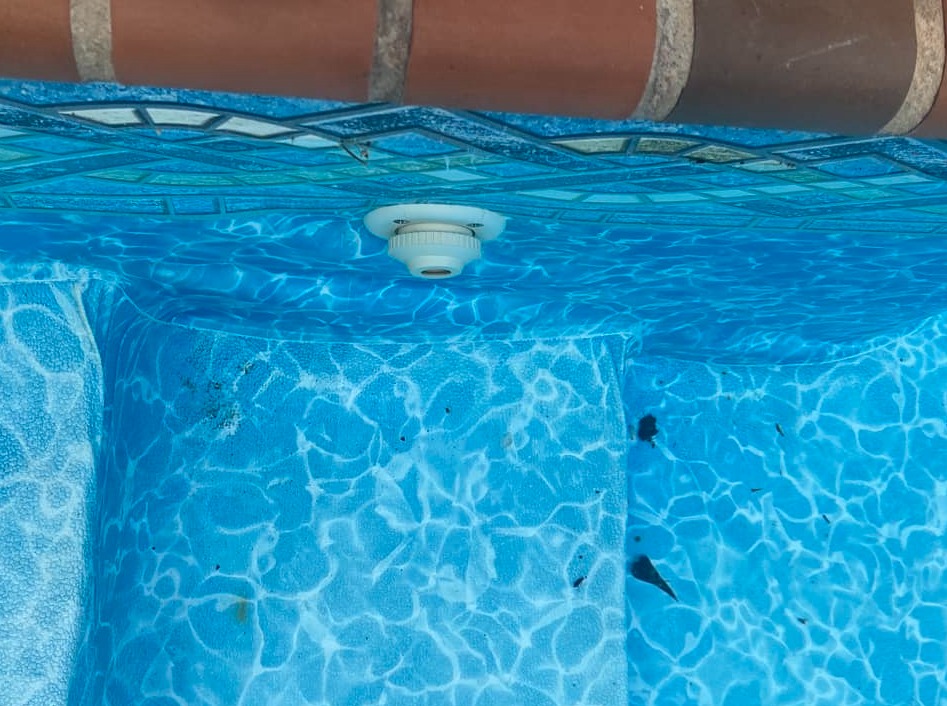
If you see a puff of cloudy water from the return jets immediately after switching back to Filter, the most common cause is skipping the rinse cycle. Backwash loosens debris in the sand bed. Rinse is designed to settle the sand and flush remaining dirty water to waste before you return to normal filtra on. Without rinse, some of that loosened debris is pushed straight into the return line and back into the pool.
Another cause of an immediate cloudy burst is switching multiport valve positions too quickly. If you move from Backwash to Filter without a proper rinse stage, the sand bed is still disturbed and fine particles are easily carried out.
The fix is usually simple. Always rinse after backwash for a short period and ensure the valve is fully locked into the correct position before restarting.
Incorrect backwash and rinse sequence using a multiport valve
A correct sequence matters. The pump must be off before changing any multiport valve setting. Backwash should run until the waste water starts clearing. Then the pump should be turned off, the valve moved to Rinse, and the pump turned on for a short rinse to settle the sand. Then the pump should be turned off again and the valve returned to Filter before restarting.
If you change valve positions with the pump running, you can damage the spider gasket and create internal bypass. That can lead to ongoing cloudiness because the valve no longer separates flow paths cleanly. It can also cause water to leak to waste while on Filter.
Cloudy water a er backwash is often not a sand problem. It is a routine problem.
Sand bed disturbance, channeling, and why the filter may not be polishing
If cloudiness continues long after backwash, the sand bed may not be filtering effectively. Channeling is a common reason. Channeling happens when water finds paths through the sand instead of moving evenly through the entire bed. When water channels, the filter does not trap fine particles well and the pool stays hazy even though pressure may look normal.
Channeling often develops when the sand is old, clumped with oils, or compacted. Backwashing can somemes worsen channeling temporarily because it disturbs the bed unevenly. A sand filter cleaner deep clean can help remove oils and restore a more uniform bed. In older filters, a sand change may be required.
If your pool has a lot of fine dust or dead algae, the sand bed can also struggle to capture the smallest particles quickly. In that case, cloudiness may persist until the filter runs long enough to capture what is suspended.
Multiport valve spider gasket issues and dirty water bypass
A worn spider gasket is a major cause of cloudy water after backwash. The spider gasket is the internal seal that separates multiport valve ports. If it is damaged, water can bypass the filter or dirty water can leak into the return line when it should be going to waste. You may also see water leaking out the waste line during Filter mode, which is a strong clue that the valve is not sealing.
When a spider gasket is worn, backwashing can look normal but filtration a er backwash is poor. Dirty water can continue returning to the pool because the valve cannot maintain proper routing.
If you see persistent cloudiness and any waste line flow during Filter mode, the multiport valve should be inspected and rebuilt.
Sand returning to the pool and internal laterals damage
If the cloudiness after backwash includes gritty particles on the floor or visible sand coming from the return jets, the filter internals may be damaged. Sand returning to the pool often indicates cracked laterals or standpipe issues inside the filter tank. Laterals are the slotted arms at the bottom that keep sand inside while lettng water pass. When they crack, sand escapes.
Sand return is not normal and should not be ignored. It reduces filter effectiveness and can damage pool surfaces and equipment. Repair usually requires opening the filter and replacing damaged laterals or the standpipe assembly. In some cases, incorrect sand grade can also contribute to sand passing through.
Dead algae and fine particles after cleanup
Cloudy water after backwash is common during algae cleanup. Dead algae is extremely fine and can pass through sand filters more easily, especially if the sand is old or channeling. Backwashing removes collected material, but the pool may remain cloudy because fine particles are still suspended.
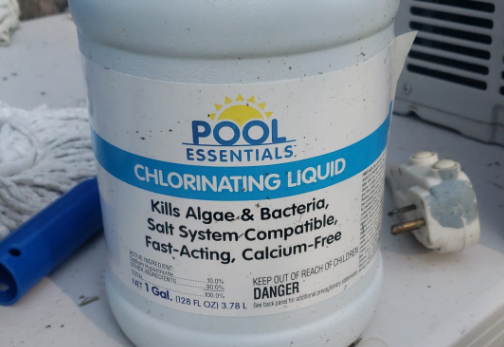
In this case, the solution is not endless backwashing. The solution is steady filtration me, consistent sanitizer levels, and frequent brushing. If pressure rises quickly, backwash when needed, but allow the filter to work. A clarifier can help in some situations, but it should be used carefully and only when the filter is functioning properly because overdosing can cause gum and further clogging.
Backwash duration and why over backwashing can slow clearing
Many pool owners backwash longer than needed. Over backwashing can waste water and can disturb the sand bed excessively. It can also reduce the filter’s ability to trap fine particles because a lightly dirty sand bed often filters finer than perfectly clean sand. There is a balance. Backwash when pressure rises above baseline and flow drops, but do not backwash repeatedly without reason.
If your pool is cloudy and you keep backwashing, you may be removing the filter’s ability to polish fine particles and you may be reducing water level enough to cause suction air problems.
A practical fix sequence for cloudy water after backwash
Always run a proper rinse cycle after backwash. Confirm the multiport valve is set correctly and not leaking to waste on Filter mode. Check for sand returning through the returns, which suggests lateral damage. Consider sand bed channeling and oil clumping if cloudiness persists and the filter seems ineffective. Increase filtration run me and brush during recovery periods. Monitor filter pressure and backwash based on pressure rise rather than routine ming.
This sequence fixes most cloudy after backwash cases without unnecessary replacement.
Cloudy water after backwash usually happens because rinse was skipped, the sand bed did not settle, the multiport valve is bypassing internally, or the filter is struggling with fine particles such as dead algae. Correct backwash and rinse technique is the first fix. If cloudiness persists, investigate spider gasket condition, channeling, and internal laterals. Once the filter is rou ng properly and the sand bed is healthy, backwashing will support clarity rather than harming it.
FAQs
1. How much water loss is normal for a pool?
About 1/4 to 1/2 inch per day from evaporation is normal in warm weather.
2. Can small leaks cause big damage?
Yes. Even a small leak can cause soil erosion, deck damage, and equipment strain over time.
3. How long does leak repair take?
Minor repairs can take a few hours. Major repairs may take several days.
4. Will insurance cover pool leak repairs?
5. How often should I check for leaks?
Get in touch for expert pool care

Need help? we are always here to assist you with expert care
Need Help
+27 10 065 1995
E-mail us
info@poolquest.co.za