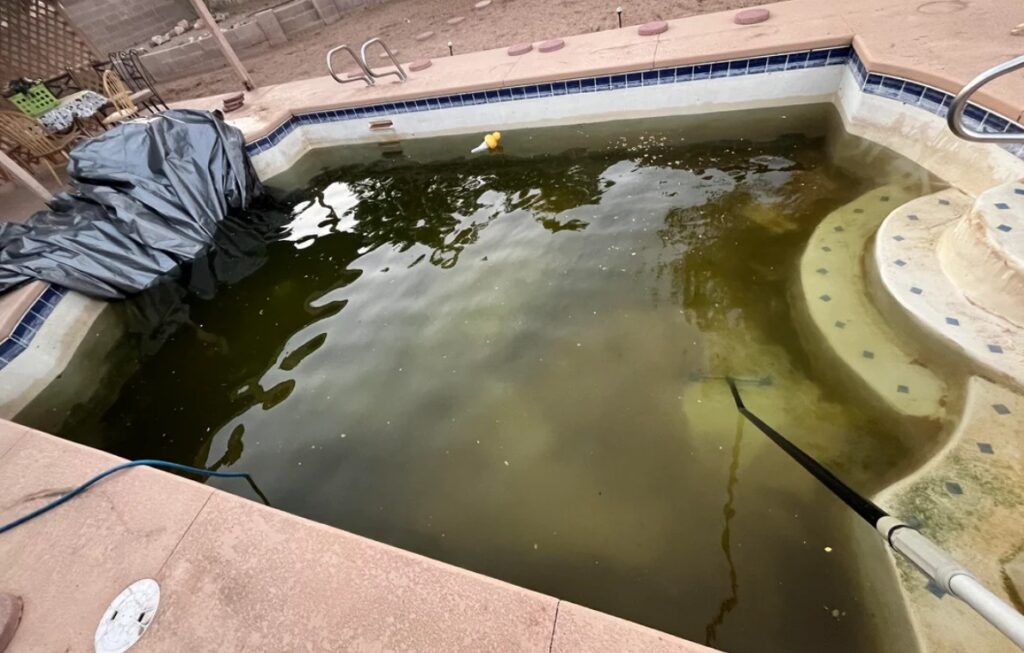
Sand Coming Into the Pool
Why Sand Shoots From Return Jets, What It Means Inside Your Filter, and How to Fix It
If you see sand on the pool floor or sand shooting out of the return jets, it is not normal. A sand filter is designed to keep sand inside the filter tank. When sand enters the pool, it usually means something has failed inside the filter or the system is being operated in a way that is disturbing the sand bed. The most common causes are broken laterals, a cracked standpipe, incorrect sand grade, or a damaged multiport valve that is allowing sand to bypass. In some cases, sand in the pool happens right after a sand change because fine dust was not flushed out properly.
This guide explains the main reasons sand ends up in the pool, how to diagnose which one you have, and the correct fixes.
Sand in pool symptoms: grit on the floor and sand from return jets
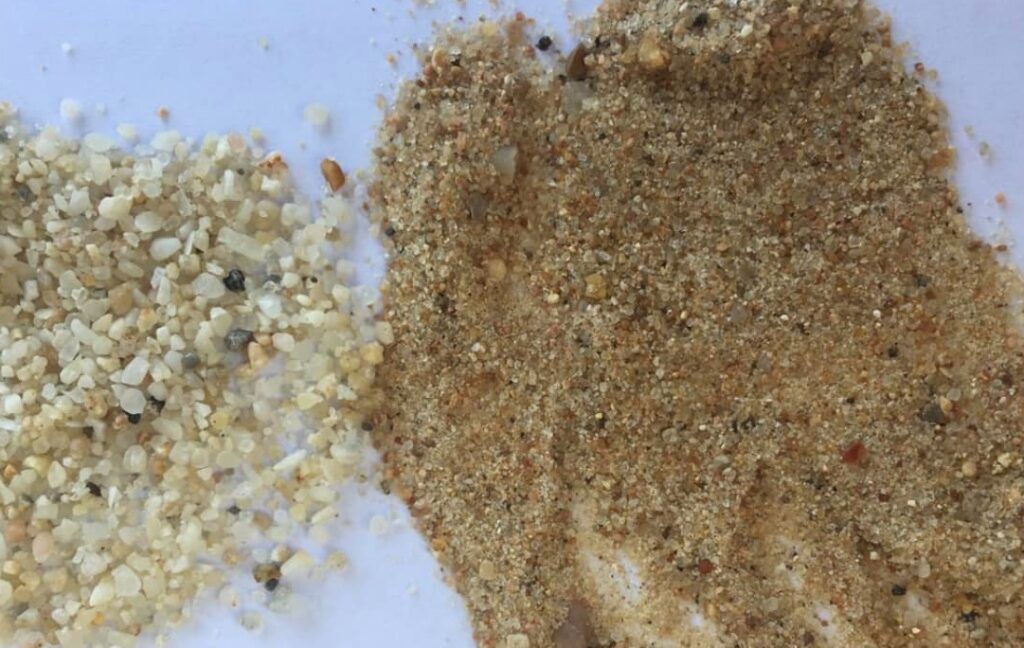
The clearest symptom is gritty material on the pool floor, o en collecting under return jets or in the deep end. You may also see small bursts of sand from the return jets when the pump starts or after a backwash. In severe cases, sand continues to enter the pool during normal filtration. This is often accompanied by poor filtration because the filter internals are compromised.
Sand can be confused with other debris. In some cases, what looks like sand is actually calcium scale or fine dirt. A simple check is texture. Filter sand feels gritty and does not dissolve easily. Calcium scale can crumble but is more chalky. If you are seeing consistent grit and return jet discharge, treat it as a sand filter issue.
Broken laterals and how they allow sand to escape
Laterals are the slotted arms at the bottom of the sand filter that allow water to pass while keeping sand inside the tank. If a lateral cracks, sand can pass through the crack and enter the standpipe, then travel to the return line and into the pool. Lateral damage is the most common root cause of sand in the pool.
Lateral damage often happens due to age, brittle plastic, or physical stress during sand changes. If someone removed sand aggressively and hit laterals, they can crack. Lateral damage can also occur when the filter is operated with extreme pressure or when the tank has been disturbed.
If sand started appearing right after a sand change, broken laterals should be high on the suspect list.
Standpipe cracks and manifold problems
The standpipe is the central pipe that connects the laterals to the multiport valve. If the standpipe is cracked or if the connection to the laterals is compromised, sand can enter the pipe and travel to the pool. A cracked standpipe can behave like broken laterals, and it is often diagnosed during filter inspection because you can see where sand is entering.
Manifold style internals exist in some filter designs. If the manifold is damaged, sand can bypass.
These issues usually require opening the filter tank and inspecting the internal assembly.
Incorrect sand grade and media that is too fine
Sand filters require a specific sand grade. If the sand is too fine, it can pass through the laterals even if the laterals are intact. This often happens when general construction sand is used instead of filter sand. Fine media creates excessive dust and can blow through into the pool, especially right after installa on.
Even correct sand produces some fine dust. That dust should be flushed out during initial backwashing after a sand change. If the filter was started on Filter mode without backwashing first, sand dust can enter the pool and create cloudiness and grit.
If sand is new and the pool shows grit but it reduces after proper backwash and rinse, the issue may be fines rather than broken internals.
Multiport valve damage and sand bypass after backwash
A multiport valve does not usually cause sand to enter the pool by itself, but a damaged spider gasket or internal valve failure can disturb flow paths and contribute to sand movement. If the valve is misused, especially changed while the pump is running, internal seals can tear. This can create abnormal flow routing and sand bed disturbance during backwash and rinse transitions.
A key clue is sand bursts right after backwashing. If sand appears mainly after backwash cycles, review your backwash routine. Ensure you always switch the pump off before changing valve settings and always rinse after backwash to settle the sand bed.
If the valve is worn and water leaks to waste in Filter mode, valve rebuilding may also be needed. While that is not the main sand escape mechanism, it indicates the valve is not sealing properly and the system is not operating cleanly.
Sand filter overfilling and sand bed height issues
If a filter is overfilled with sand above the correct level, the sand bed can reach the diffuser area and be disturbed more easily. Excess sand can also reduce freeboard space needed for proper backwash expansion. During backwash, the sand bed lifts. If there is not enough free space, sand can be pushed into the standpipe area or forced into abnormal paths.
Overfilling is most common after DIY sand changes where the fill level is guessed. Correct sand height should match the filter specification.
If sand started after a sand change and the filter was filled to the top, overfilling becomes a suspect.
How to confirm the cause without guessing
If sand is persistent and visible at return jets, internal inspection is often necessary. The most reliable confirmation is opening the filter, inspecting laterals and standpipe, and checking whether sand grade is correct. If the sand issue is mild and only occurred right after a sand change, begin by doing a thorough backwash and rinse. If sand continues after several cycles, suspect broken internals.
If you see sand only after backwash and not during normal filtration, review valve handling and rinse habits. If you changed valve settings with the pump running, spider gasket damage becomes more likely.
A pressure gauge can provide indirect clues. If laterals are broken, filtra on performance may decline and pressure behavior may become inconsistent.
Fix options: backwash flush versus internal parts replacement
If the issue is sand fines after installa on, the fix is thorough backwashing and rinsing until waste water runs clear and returns stop discharging grit. This is a short term settling process.
If the issue is broken laterals or standpipe, the fix is replacement of damaged parts. This requires removing sand, replacing laterals or standpipe components, then refilling with correct media and restarting properly with backwash and rinse.
If the issue is incorrect sand grade, the fix is draining and replacing the media with correct filter sand or the chosen correct alternative media.
If the issue is overfilling, sand level must be corrected to the proper height.
Sand entering the pool is a clear sign that something is wrong with the sand filter internals, media choice, or operating routine. Broken laterals and cracked standpipes are the most common causes. Incorrect sand grade and inadequate backwash after a sand change are also common. The correct fix depends on whether the issue is a temporary dust flush or a structural internal failure. Once repaired correctly, sand should never return to the pool through the return jets.
FAQs
1. How much water loss is normal for a pool?
About 1/4 to 1/2 inch per day from evaporation is normal in warm weather.
2. Can small leaks cause big damage?
Yes. Even a small leak can cause soil erosion, deck damage, and equipment strain over time.
3. How long does leak repair take?
Minor repairs can take a few hours. Major repairs may take several days.
4. Will insurance cover pool leak repairs?
5. How often should I check for leaks?
Get in touch for expert pool care

Need help? we are always here to assist you with expert care
Need Help
+27 10 065 1995
E-mail us
info@poolquest.co.za