How to Clean Your Pool With Liquid Chlorine
Liquid chlorine is one of the most effective ways to clean a swimming pool because it raises free chlorine quickly and starts working immediately. That speed matters when the pool is cloudy, when algae is beginning to form, or when water has already turned green. Liquid chlorine is also predictable. It does not rely on slow dissolving like tablets, and it does not add extra stabilizer the way some granular products do. If you test regularly and dose consistently, liquid chlorine can keep a medium pool clear with fewer surprises.
The water balance that makes liquid chlorine work better
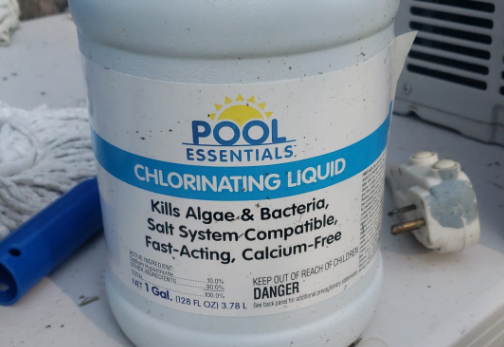
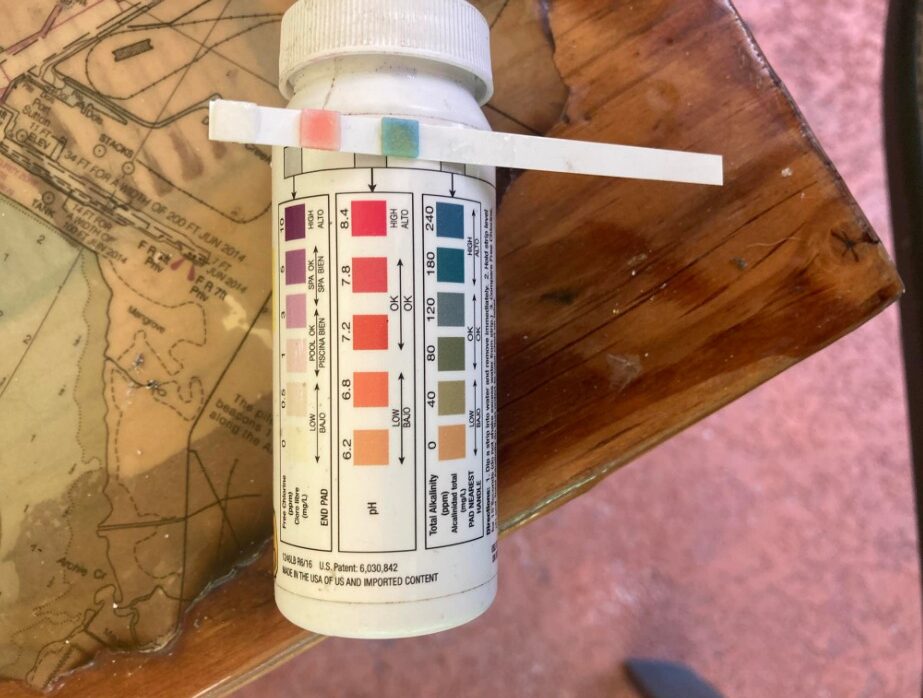
Before you add a large dose of liquid chlorine, confirm that pH is in a range where chlorine is effective. A practical target for most pools is pH 7.2 to 7.6. When pH climbs higher, chlorine becomes less active and algae cleanup takes longer. When pH is managed properly, the same amount of chlorine does more work, and the pool clears faster.
Free chlorine is the main reading to watch because it tells you how much active sanitizer is available. Combined chlorine is also useful because a rising combined chlorine level can indicate chlorine is being consumed by contaminants. The core idea is simple. Chlorine cleans effectively when you keep a reliable active level in the water, not only when you add a dose once in a while.
How to add liquid chlorine safely and evenly
Liquid chlorine should be added with the pump running so it disperses through the pool quickly. Pour it slowly around the perimeter of the pool, especially near return jets where water movement is strongest. Avoid dumping it in one spot, because concentrated chlorine can cause localized imbalance and can be harsh on some surfaces if it sits in a still area. After dosing, brushing the walls and steps helps chlorine reach corners and shaded areas where algae often hides.
If the pool is very dirty or green, remove leaves and debris first. Organic debris uses up chlorine. Skimming and netting before dosing reduces chlorine demand and makes the cleanup faster.
Liquid chlorine plan for a clear pool
When the pool is clear, liquid chlorine is used to maintain a steady sanitizer level so algae never gains momentum. The best approach is consistent dosing based on testing rather than occasional heavy “shocks.” In a medium pool, test free chlorine and pH several times per week, then top up chlorine to stay within your preferred target range. A stable routine also means the filter has an easier job, because clear water contains fewer suspended particles and less organic waste.
Clear water maintenance still benefits from brushing once a week. Brushing prevents biofilm, improves circulation along surfaces, and reduces the chance of algae starting in corners. The pool may look clean, but surfaces can still develop a thin film that chlorine struggles to penetrate without agitation.
Liquid chlorine plan for a cloudy pool
Cloudy water is often caused by fine particles, early algae growth, or organic contamination that the filter is struggling to remove. Liquid chlorine helps by preventing algae from taking over and by oxidizing organic waste, but filtration must still remove the particles. The correct approach is to skim and brush first, then raise chlorine to a stronger level than normal maintenance, then keep filtration running longer while you clean the filter when pressure rises.
In a medium pool, cloudiness usually clears faster when you maintain chlorine steadily for multiple days rather than making one large dose and letting it drop. The water often improves in stages. First the pool looks less dull. Then the haze becomes lighter. Then the pool becomes clear once the filter catches the last fine particles. If chlorine drops too low during this phase, the pool can shi from cloudy to green, especially in warm weather.
Liquid chlorine plan for a green pool
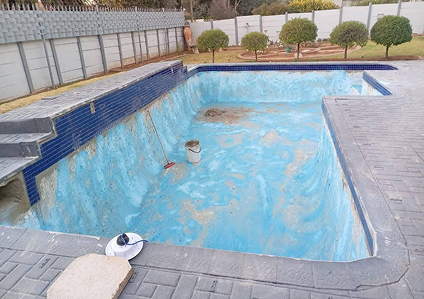
Green water is an algae bloom. Liquid chlorine can clear it, but only when you maintain a high enough level long enough to finish the job. The most common mistake is dosing once, seeing a partial improvement, and then stopping. Algae rebounds when chlorine falls before the bloom is fully killed.
Start by removing debris and brushing the entire pool, especially steps, corners, and shaded walls. Bring pH into a workable range such as 7.2 to 7.4 if it is high. Then raise free chlorine to an algae killing level and keep it there through regular testing and top ups. Brush daily during this phase because brushing breaks algae off surfaces and prevents it from hiding in low flow zones. Run the pump continuously if possible and clean the filter frequently because dead algae clogs filters fast.
A green pool almost always turns cloudy before it turns clear. That cloudy grey stage is dead algae suspended in the water. It is progress. The cleanup is not finished until the cloud clears and the pool is fully transparent again.
How long it takes with liquid chlorine
A lightly green medium pool can show major improvement in 24 to 48 hours, then take a few more days to fully clear depending on filtration and consistency. A severely green pool can take longer. The timeline is driven by three factors. How consistently you maintain chlorine, how well you brush and remove algae from surfaces, and how effectively your filter captures dead material.
Mistakes that make liquid chlorine feel like it is not working
One mistake is ignoring pH. When pH stays high, chlorine becomes less effective and the pool stays green longer. Another mistake is failing to remove debris first. Leaves and organic waste consume chlorine quickly. Another mistake is stopping early when the pool turns cloudy. Cloudy water a er green is typically dead algae that still needs filtration me. Another mistake is not cleaning the filter when pressure rises. A clogged filter reduces circulation and slows the entire clearing process.
Liquid Chlorine Cleanup With a Sand Filter
How to backwash at the right me so the pool clears faster
When you are cleaning a pool with liquid chlorine, the sand filter becomes the finishing tool. Liquid chlorine kills algae and breaks down organic waste, but the filter must physically remove what is left behind. In a medium pool, the most common reason a chlorine cleanup stalls is not that chlorine failed. It is that the sand filter loads up with dead algae and fine debris, circulation slows down, and the pool stops improving. The solution is timing. You want to backwash when the filter is dirty enough to restrict flow, but not so often that you interrupt filtration every few hours
Step 1 Record your clean filter pressure first
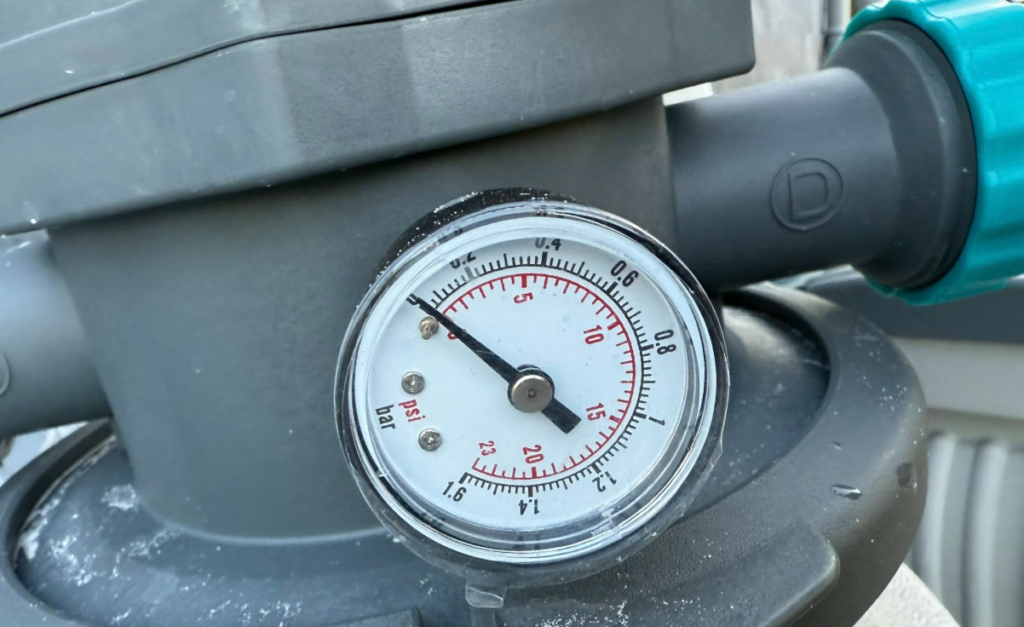
Before you start a big cleanup, make sure the sand filter is working from a clean baseline. Backwash and rinse properly, return the valve to Filter, let the system run for a few minutes, then note the pressure gauge reading. That number is your clean pressure. It becomes your reference point for when to backwash during the cleanup.
A clean pressure is personal to your system. It depends on your pump, plumbing, and filter size. Comparing your number to someone else is not useful. What matters is how your pressure changes relative to your own baseline.
Step 2 Understand what dead algae does to sand filters
During a green pool cleanup, algae dies and breaks into extremely fine particles. Those particles are exactly what a sand filter is designed to trap, but they load the sand bed quickly. As the sand bed loads, water meets more resistance, the pressure gauge rises, and the return jets feel weaker. When flow drops, the pool clears more slowly because less water is passing through the filter per hour.
This is why the pool often looks like it is improving and then gets stuck in cloudy water. The filter is doing its job, but it needs to be cleaned so it can keep capturing more.
Step 3 When to backwash during a liquid chlorine cleanup
Backwash when the pressure gauge rises noticeably above your clean pressure and when return flow weakens. A widely used rule is to backwash when pressure rises about 20 to 25 percent above the clean baseline. If your clean pressure is 10 psi, that usually means backwashing around 12 to 13 psi. If your clean pressure is 15 psi, that usually means backwashing around 18 to 19 psi.
The goal is to restore flow before the filter becomes so clogged that circulation collapses. Backwashing too early can reduce filtering efficiency because a slightly seasoned sand bed can filter very fine particles better than freshly disturbed sand. Backwashing too late slows clearing because the pool is barely circulating. Your pressure baseline helps you stay in the sweet spot.
Step 4 The correct backwash and rinse sequence
Always switch the pump off before changing multiport valve settings. This protects the valve gasket and prevents internal damage.
Turn the pump off. Move the multiport valve to Backwash. Turn the pump on and backwash until the waste water looks clearer, or until the sight glass clears if you have one. Turn the pump off again. Move the valve to Rinse. Turn the pump on for about 20 to 30 seconds to settle the sand bed and flush remaining dirt to waste. Turn the pump off again. Move the valve back to Filter. Turn the pump on and allow the system to stabilize
Rinse is not optional during algae cleanup. If you skip rinse, a burst of dirty water can return to the pool and make the water look worse. That can feel like the chlorine is not working, but it is simply debris returning after an incomplete cycle.
Step 5 How often you might backwash in a green pool recovery
In a normal clear pool, backwashing might happen weekly or less depending on conditions. During a green pool cleanup with liquid chlorine, you may need to backwash more frequently because dead algae loads the filter quickly. It is common to backwash daily during the heavy stage, somemes more than once if the pool is very green and the filter pressure climbs fast.
The key is to let the pressure gauge guide you rather than the calendar. If pressure rises quickly after a backwash, it usually means the filter is catching a lot of dead material, which is what you want. Clean it and keep filtering.
Step 6 How to use liquid chlorine and filtration together for fastest results
The fastest clearing pattern is consistent chlorine plus continuous filtration plus brushing. Brush daily so algae cannot cling to surfaces. Maintain free chlorine at an effective level so algae stays dead and does not rebound. Run the pump as con nuously as you can. Backwash based on pressure rise so circulation stays strong.
As the pool shifts from green to cloudy grey, you are in the polishing stage. This stage is won by filtration. Your sand filter will remove fine particles gradually. Backwash when pressure rises, then return to Filter and keep the pump running. The pool often clears in layers, first you see the steps, then the deep end becomes visible, and finally the water becomes crisp.
Step 7 A simple day by day routine for a medium green pool using liquid chlorine and sand filtration
On day one, remove debris, brush thoroughly, correct pH toward 7.2 to 7.4 if it is high, raise chlorine, and run the pump continuously. Check filter pressure and backwash when it climbs above baseline. Brush again later if the pool is very green.
On day two, test chlorine and pH, top up chlorine to keep it effective, brush the whole pool, and keep filtering. Backwash when pressure rises and rinse properly before returning to Filter.
On day three and onward, the pool usually sits in cloudy water as dead algae is filtered out. Continue maintaining chlorine, keep filtration running, and backwash as needed until the water is fully clear.
Mistakes to avoid with sand filters during chlorine cleanup
Do not backwash and then forget to rinse. The pool can look dirtier because debris returns through the jets. Do not change valve settings with the pump running. That can damage the valve and cause internal bypass leaks. Do not stop the cleanup when the pool turns cloudy. Cloudy water after green is commonly dead algae, and filtration me is what finishes the job. Do not let chlorine crash during the polishing stage, because algae can rebound and restart the cycle.
FAQs
1. How much water loss is normal for a pool?
About 1/4 to 1/2 inch per day from evaporation is normal in warm weather.
2. Can small leaks cause big damage?
Yes. Even a small leak can cause soil erosion, deck damage, and equipment strain over time.
3. How long does leak repair take?
Minor repairs can take a few hours. Major repairs may take several days.
4. Will insurance cover pool leak repairs?
5. How often should I check for leaks?
Get in touch for expert pool care

Need help? we are always here to assist you with expert care
Need Help
+27 10 065 1995
E-mail us
info@poolquest.co.za