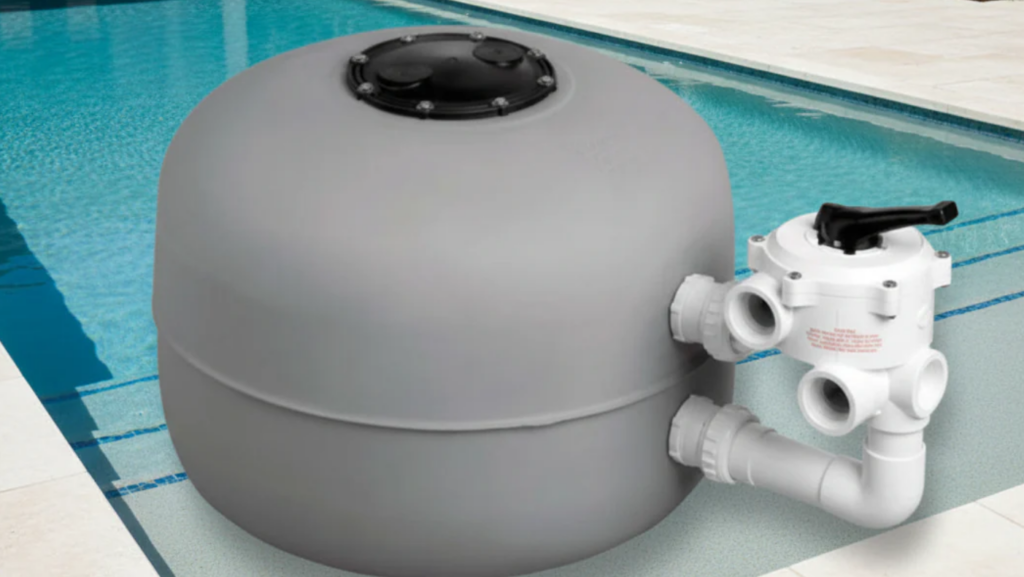
Sand Filter Sizing and Upgrades
How to Choose the Right Filter Size, Improve Clarity, and Reduce Backwashing
A sand filter can only perform as well as its size allows. If the filter is too small for the pump and pool, it will clog quickly, pressure will rise fast, backwashing will become frequent, and the water will struggle to polish clear. If the filter is correctly sized, the system runs with stable pressure, longer cycles between backwash, and better fine particle capture. Many pool owners upgrade pumps but leave a small filter in place, which creates high pressure problems and short filter cycles. In many systems, upgrading the sand filter is the real clarity upgrade.
This guide explains how sand filter sizing works, how to recognise when your filter is undersized, and what upgrade options improve performance.
Sand filter sizing basics: filter area and flow rate matching
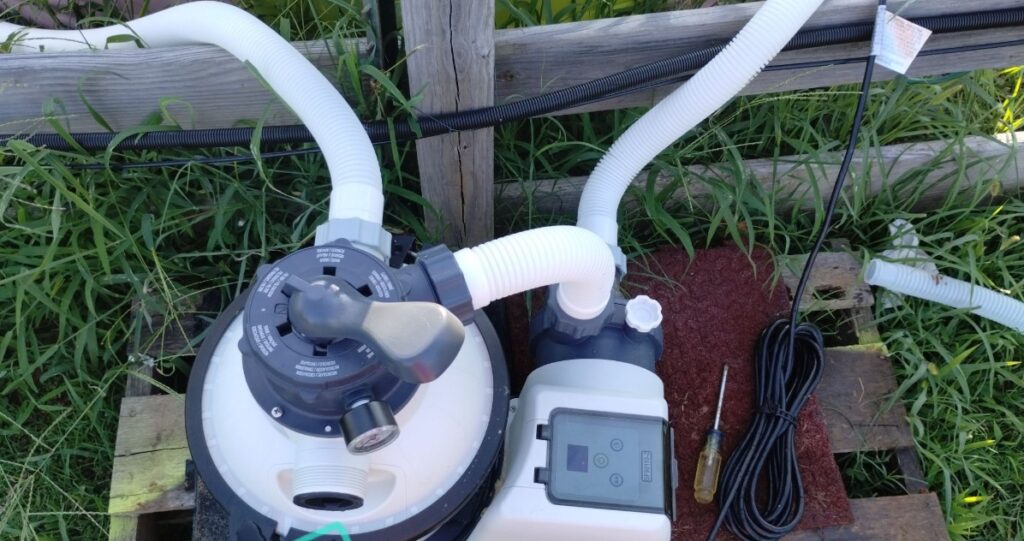
A sand filter cleans water by pushing it through a sand bed. The key sizing factor is filter area, which determines how much water can pass through at an effective filtration velocity. If flow is too high for the filter area, water moves too fast through the sand, fine particles are less likely to be trapped, and the sand bed loads unevenly. That increases channeling risk and reduces water clarity.
Sizing is therefore a match between pump flow and filter capacity. A bigger pump does not automatically improve clarity. If it drives too much flow through a small filter, clarity often worsens and pressure rises.
The goal is a filter that can handle normal filtra on flow comfortably, while still allowing higher flow when needed for vacuuming and backwashing.
Undersized sand filter symptoms: frequent backwash and cloudy water
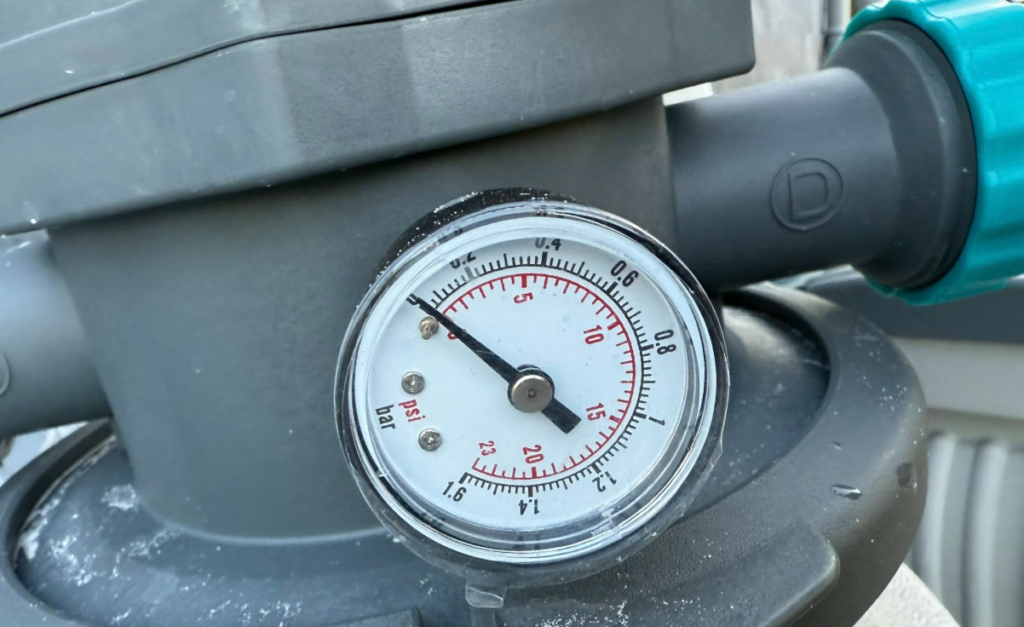
A small sand filter shows predictable symptoms. Pressure rises quickly after backwashing, somemes within a day during dusty weather or algae recovery. Return jet flow weakens quickly because the filter becomes restrictive. You end up backwashing often, which wastes water and can disturb the sand bed repeatedly. The pool may stay slightly hazy because the filter is overloaded and does not capture fine par cles efficiently.
Another common sign is that the sand bed channels or clumps regularly. Small filters tend to run at higher filtration velocity, which makes channeling more likely over me.
If your pool looks clear only right after backwash and then becomes dull quickly, filter size is a strong suspect.
Oversized pump with small filter: high pressure system stress
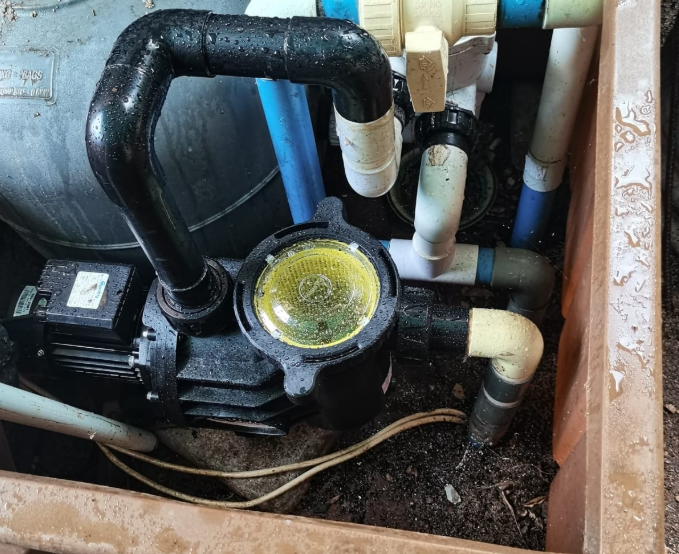
A strong pump paired with a small filter often creates high operating pressure. High pressure stresses the multiport valve spider gasket, unions, and filter tank seals. It can also make backwashing less effective because the sand bed gets compacted under high velocity conditions, then lifts unevenly during backwash. This leads to repeat cloudiness after backwash and repeat channeling.
If you upgraded to a bigger pump and your filter pressure increased significantly and backwashing became more frequent, the filter is likely the botteneck. Upgrading the filter often stabilises the entire system.
Pool volume and turnover context for filter sizing
Pool volume helps esmate how much filtra on capacity you need, but it is not the whole story. Two pools of the same volume can have different debris loads and different equipment demands. A pool under trees needs more filtration capacity than an open pool. A pool with a heat pump and solar loop may run longer hours and require stable flow. A pool that is frequently used and has heavy sunscreen load creates more fine debris and oils that impact sand bed performance.
This is why filter sizing should consider debris load and usage patterns in addition to volume.
The practical aim is a filter that keeps pressure stable and reduces maintenance frequency under your real conditions.
Sand filter upgrades: larger tank diameter and higher media volume
The main upgrade is increasing tank size, usually reflected in larger diameter and more sand capacity. Larger filters have more filter area, lower filtration velocity, and better ability to trap fine particles. They also hold more dirt before pressure rises, which means longer me between backwashes.
A larger filter also tends to backwash more effectively because the bed expands more evenly and the system is less sensitive to small variations in flow. This reduces channeling risk over me.
When upgrading, the filter should match your pump and plumbing so that normal filtration flow is within safe filter limits.
Glass media and alternative media considerations
Some owners upgrade media rather than the tank, using glass media or other alternatives. Media changes can improve clarity and reduce clumping in some systems, but media cannot overcome a severely undersized tank. If the filter area is too small, water is still moving too fast, and the filter still loads quickly.
Media upgrades are best when the filter tank size is already reasonable and you want better fine particle capture or reduced oil clumping. If you are backwashing constantly and pressure rises quickly, tank size is often the bigger issue than media type.
Multiport valve compatibility and plumbing layout for upgrades
Upgrading a sand filter often involves adapting plumbing and ensuring the multiport valve is correctly matched. The valve must fit the filter and handle the flow range. Plumbing unions should be installed for easy service. The waste line should be sized correctly and free flowing so backwash is strong. Poor waste plumbing can make even a large filter backwash poorly.
If the equipment pad layout is tight, planning the upgrade includes ensuring enough space for valve movement and future maintenance.
Correct installation prevents leaks and makes future sand changes and servicing easier.
After upgrade expectations: pressure baseline and backwash frequency
After upgrading, your clean baseline pressure will change. Larger filters often run at lower pressure because resistance is lower. This is normal. The key benefit is that pressure rises more slowly as the filter loads. Backwashing becomes less frequent, and water clarity improves because filtration velocity is lower and the sand bed traps fine particles more effectively.
During algae cleanup, you may still need frequent backwash because dead algae loads filters quickly, but a larger filter usually recovers faster and clears the pool with less stress.
When to upgrade versus service the existing filter
If your filter is only mildly underperforming, a deep clean, sand filter cleaner treatment, and correct backwash technique can restore performance. If the filter is old and the sand bed is clumped and channeled, a sand change can help. But if the filter remains restrictive, pressure rises quickly, and clarity is consistently hard to maintain, size becomes the limiting factor and an upgrade is the cleaner long term fix.
If you have upgraded the pump or plan to install a variable speed pump, matching filter capacity becomes even more important because you want stable low speed filtra on without pressure spikes.
Sand filter sizing determines how stable your filtration is, how often you backwash, and how clear your pool can stay with normal maintenance. Undersized filters cause frequent backwash, fast pressure rise, and persistent haze. Upgrading to a larger sand filter lowers filtration velocity, improves fine particle capture, and reduces system stress. Media upgrades can help, but tank size is often the true bottleneck. When you match pump flow, filter capacity, and plumbing correctly, the pool becomes easier to keep clear and the equipment lasts longer.
FAQs
1. How much water loss is normal for a pool?
About 1/4 to 1/2 inch per day from evaporation is normal in warm weather.
2. Can small leaks cause big damage?
Yes. Even a small leak can cause soil erosion, deck damage, and equipment strain over time.
3. How long does leak repair take?
Minor repairs can take a few hours. Major repairs may take several days.
4. Will insurance cover pool leak repairs?
5. How often should I check for leaks?
Get in touch for expert pool care

Need help? we are always here to assist you with expert care
Need Help
+27 10 065 1995
E-mail us
info@poolquest.co.za