Pool Water Level Drops Overnight
What It Usually Means, How to Test It Properly, and the Fastest Fix Path
When a pool water level drops overnight, it feels alarming because there is no swimming, no splash out, and no obvious reason for the loss. Overnight water loss can be a real leak, but it can also be normal evaporation in hot windy conditions, or it can be water leaving the pool through the waste line due to a multiport valve problem. The correct response is not guessing. The correct response is confirming how much is being lost, whether pump operation changes the loss, and where the water level stops.
This guide explains the most common reasons pools drop overnight, how to test the cause, and what to check first so you stop the loss quickly.
Overnight water loss versus evaporation and weather effects
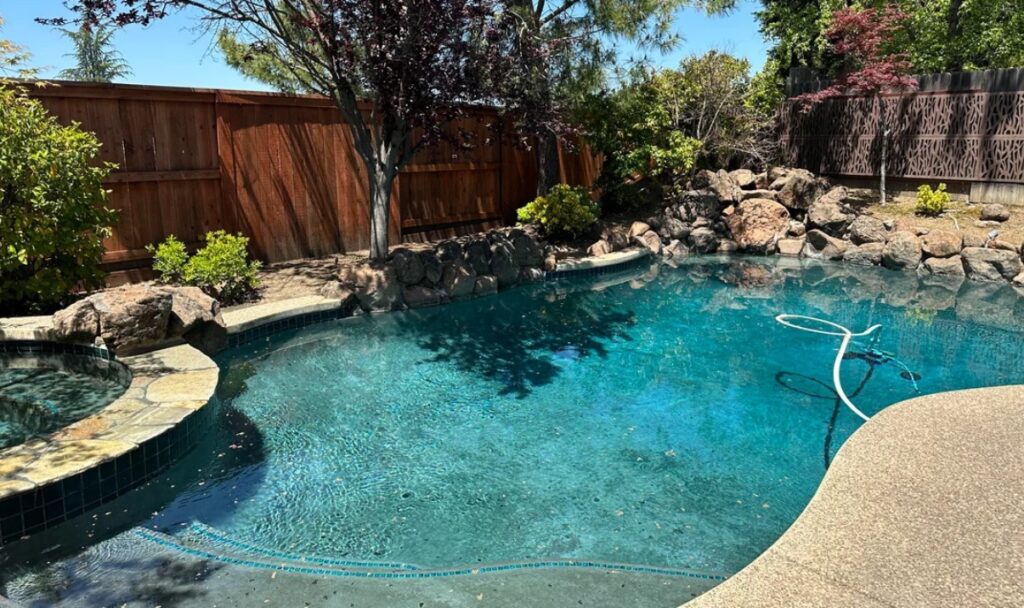
Evaporation does not stop at night. Warm water continues to evaporate, especially if there is wind, low humidity, and a large temperature difference between water and air. In some conditions, evaporation overnight can still be noticeable. The difference is that evaporation is usually steady and predictable, while leaks often produce repeatable drops that continue until the water level reaches the leak point.
Before you assume a leak, think about recent weather. Hot days followed by windy evenings and low humidity can produce meaningful evaporation. If you recently heated the pool or had very warm water, evaporation increases too.
This is why the bucket test remains the best confirmation method even when your main complaint is overnight loss.
Measure the drop accurately before changing anything
Overnight loss feels big when you are looking at it, but the first step is measuring. Mark the waterline on the tile or skimmer faceplate at night. In the morning, measure the difference. Do this for two nights in a row. Consistent loss of the same amount is useful information. Inconsistent loss may point to weather, overflow, or maintenance ac ons rather than a fixed leak point.
Do not top up during this test period. Topping up breaks the pattern and delays diagnosis.
Pump running overnight versus pump off overnight
One of the strongest diagnosis tools is pump on versus pump off comparison. If the pool loses significantly more water overnight when the pump is running, the water loss is often linked to pressure side circulation or waste plumbing. This points toward multiport valve leakage to waste, backwash line leaks, equipment pad leaks, or return line leaks underground.
If the pool loses similar amounts overnight whether the pump runs or not, the loss is more likely independent of pump pressure. This points toward skimmer leaks, light niche leaks, structural cracks, suction line leaks, or overflow pipe issues depending on the water level behaviour.
If your pump normally runs at night, do one controlled night where you turn the pump off and compare the drop. This single comparison often narrows the leak zone immediately.
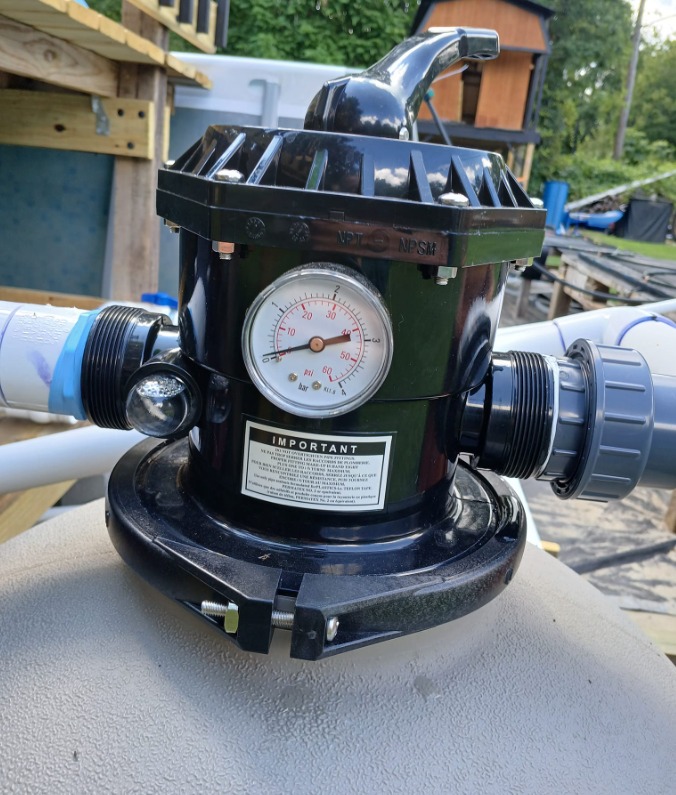
Mul port valve waste line check for overnight water loss
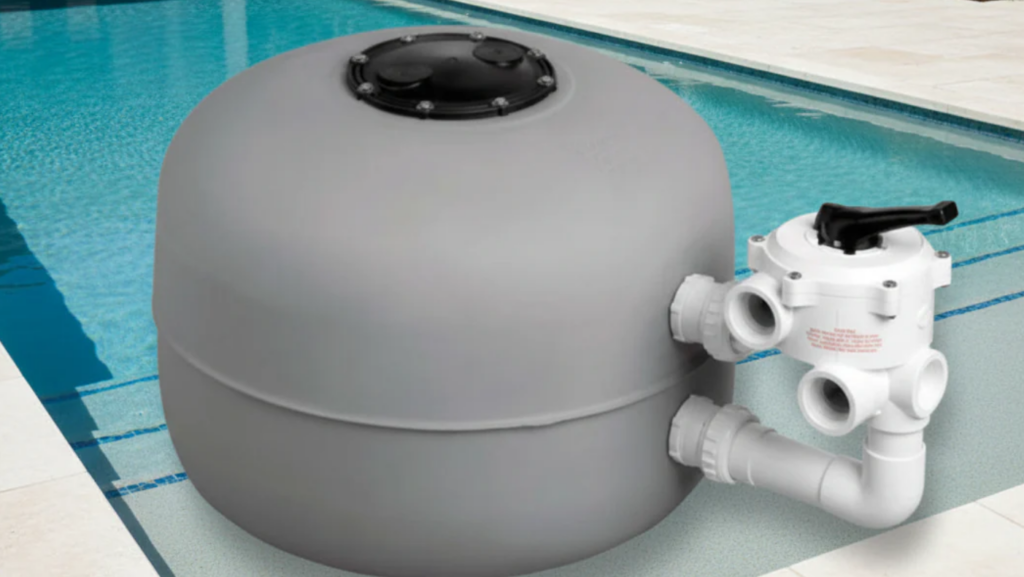
A common overnight water loss cause is a multiport valve that leaks to waste while set to Filter. This leak is easy to miss because water flows out a pipe rather than creating a wet patch near the pool. Over hours, even a small trickle can remove a lot of water.
At night, set the valve to Filter and look at the waste discharge point. There should be no flow. If you see water running or dripping consistently, the valve is leaking. The spider gasket inside the valve is the usual cause. This problem becomes obvious overnight because the pump may run for many hours when no one is watching.
If you confirm water flowing to waste in Filter mode, fix the valve first before chasing underground leaks.
Equipment pad drips that are more visible overnight
Some equipment pad leaks are small and hard to notice during the day because water evaporates quickly. At night, cooler air can make the same leak more visible. Pump shaft seal leaks, union drips, filter clamp leaks, and chlorinator cell union leaks can all waste water steadily.
Dry the equipment pad before night. In the morning, inspect for new wetness around pump base, under unions, and near the filter. If you want a clearer test, place dry cardboard under the pump and filter area. Drips show clearly on cardboard.
If the equipment pad is wet and water level dropped more when the pump ran, repair the equipment leak before underground testing.
The water level stop clue: where the pool stabilises
A pool with a leak often drops to a specific level then slows or stabilises. This is one of the best clues in leak diagnosis.
If the pool stops dropping near the bottom of the skimmer opening, the skimmer throat or skimmer box is a common suspect. If the pool stabilises at the height of a return jet, a return fitting leak becomes more likely. If it stabilises at the height of the pool light, the light niche or conduit leak is a common cause. If it drops below all fi ngs and continues, structural cracks or main drain related leaks become more likely.
This is why you should not top up immediately. Let the pool show you where it wants to stop.
Overflow pipe issues and siphoning patterns
Overnight water loss can somemes be linked to overflow plumbing. If the overflow pipe is misconnected or cracked, water can drain out even when the pool is not overflowing. This is less common than valve or skimmer issues, but it is worth considering if the pool repeatedly drops to around the overflow level.
If water level stabilises near the overflow opening and continues to drop below it, the overflow line may have a hidden break or incorrect routing. This usually needs inspection of overflow plumbing and its discharge point.
Dye testing the skimmer and light niche for overnight leak suspects
If your overnight loss pattern suggests a skimmer leak or light niche leak, dye testing can confirm it. Turn the pump off and let the water go calm. Release a small amount of dye near the suspected area, such as the skimmer throat cracks or around the light niche edge. If dye is drawn into a joint or crack, that indicates a leak path.
Dye testing is a controlled way to confirm visible leak points without guessing. It is especially useful when water level has stabilised at a fitting height.
When overnight loss points to underground plumbing leaks
If the pool loses more water when the pump is running and there is no waste line flow and no equipment pad leak, return plumbing leaks become likely. If you see wet ground or so soil along the pipe route, that supports the suspicion. In these cases, pressure testing is the reliable confirmation step. Pressure testing isolates specific lines and confirms which line is leaking, which prevents digging in the wrong area.
Suction line leaks can also contribute, especially if you see bubbles in the pump basket and return jets. Suction leaks often pull air rather than push water out, which is why they can be hard to see. Pressure testing helps here as well.
A fast overnight water loss checklist
Mark the water level at night and measure drop in the morning. Compare pump on versus pump off. Check the waste line for flow while in Filter mode. Dry the equipment pad and check for drips in the morning. Watch where the water level stabilises. Dye test skimmer and light niche if the level stops near those features. Use pressure testing if patterns point toward underground plumbing.
This sequence finds the cause faster than random repairs.
A pool water level that drops overnight can be normal evaporation, but it is often a leak or waste pathway that becomes obvious when the pool is quiet. The best diagnosis comes from measuring the drop, comparing pump on versus pump off, checking the multiport valve waste line, inspecting the equipment pad, and observing where the water level stabilises. Once you identify the pattern, you can choose the correct fix, whether it is a valve rebuild, a skimmer repair, a light niche seal, or underground pressure testing.
FAQs
1. How much water loss is normal for a pool?
About 1/4 to 1/2 inch per day from evaporation is normal in warm weather.
2. Can small leaks cause big damage?
Yes. Even a small leak can cause soil erosion, deck damage, and equipment strain over time.
3. How long does leak repair take?
Minor repairs can take a few hours. Major repairs may take several days.
4. Will insurance cover pool leak repairs?
5. How often should I check for leaks?
Get in touch for expert pool care

Need help? we are always here to assist you with expert care
Need Help
+27 10 065 1995
E-mail us
info@poolquest.co.za