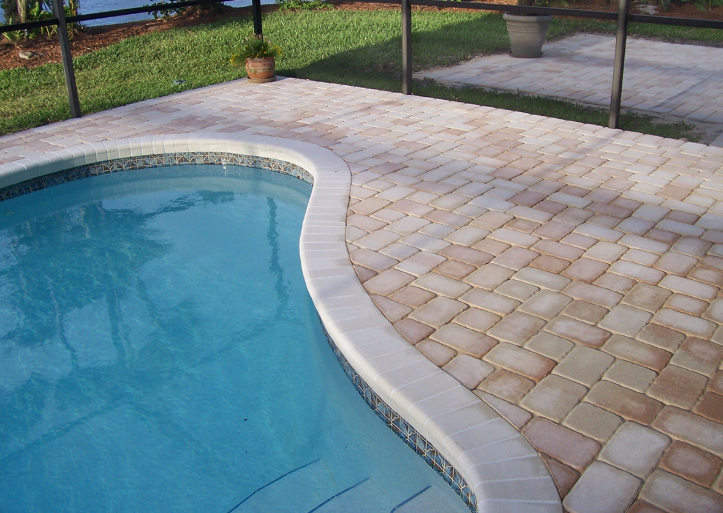
Pool Coping Repair
Loose Coping Stones, Cracked Mortar, Expansion Joints, and Preventing Water Ingress.
Pool coping is the cap edge around the pool. It protects the pool shell, frames the pool visually, and creates a stable transi on between the water and the surrounding deck. When coping fails, it is not only a cosmetic issue. Loose coping stones and cracked mortar allow water to penetrate behind the pool edge. That water can undermine the bond beam, cause movement, create deck cracking, and contribute to leaks around the tile line and skimmer throat. Coping problems also create safety risks
because loose stones can shift underfoot.
This guide explains the common signs of coping failure, the root causes, how coping repairs are typically done, and how to prevent repeat damage.
Coping damage symptoms: loose stones, hollow sounds, and cracking at the pool edge
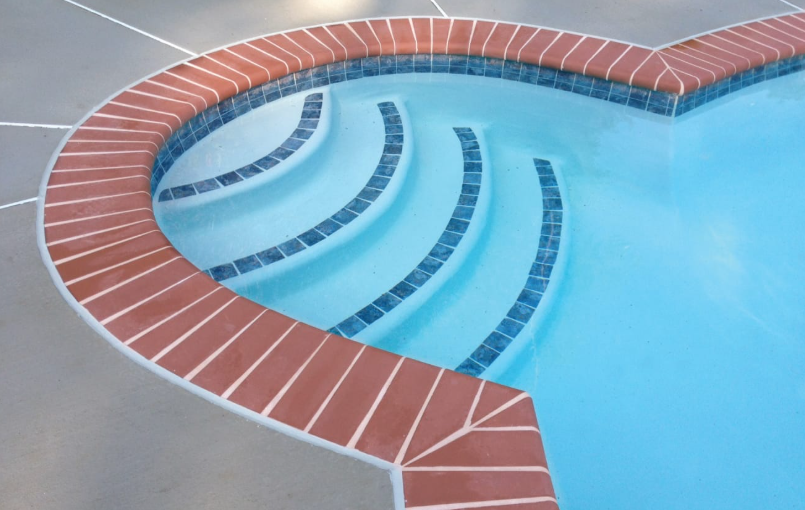
The clearest symptom is movement. If coping stones rock when you step on them or if the edge sounds hollow when tapped, the bond has likely failed. Another common symptom is cracking or crumbling mortar between coping stones and between coping and tile. You may see gaps opening at joints or a widening separation line where coping meets the deck.
Water ingress symptoms often follow. You may notice damp areas behind the coping, efflorescence which is a white salty residue on grout lines, or algae growth in joints because moisture remains trapped. In some pools, coping damage is accompanied by tile popping or grout failure at the waterline because movement at the edge stresses the le line.
Expansion joint failure between coping and deck
Most pools require an expansion joint between the coping and the deck to allow movement. When this joint fails, the deck and coping can push against each other. That pressure causes cracking, lifting, and separation. If the expansion joint is filled with rigid mortar instead of flexible sealant, it cannot absorb movement, so cracks develop and water finds its way into the bond beam.
A failed expansion joint also allows rainwater and splash water to enter the gap and travel behind the coping. Over time this saturates the area and worsens movement. Repair often involves removing
failed joint material and replacing it with correct flexible joint sealant designed for pool environments.
Bond beam and bedding mortar breakdown
Coping sits on the bond beam which is the reinforced concrete edge of the pool. If the bond beam is cracked, eroded, or poorly supported, coping will not stay stable. Bedding mortar can also degrade due to water exposure, chemical splash, and age. Once bedding mortar weakens, stones loosen and joints open.
Repair requires more than surface patching. Loose coping must be lifted, old mortar must be removed, and the bond beam surface must be cleaned and prepared before new bedding material is applied. Without proper prepara on, repairs fail quickly because new mortar will not bond to contaminated surfaces.
Water ingress and leak risk at the le line and skimmer throat
Coping failure can contribute to leaks indirectly. Water can enter behind coping and travel along the bond beam. This can cause tile line separation, grout loss, and cracks that allow water to escape.
Skimmer throats are especially vulnerable because coping movement can stress the skimmer junction, creating cracks at the skimmer face and surrounding plaster.
If a pool loses water and coping and tile line damage are present, leak testing should include the coping area, skimmer throat, and tile grout lines. Coping repair does not replace leak detec on, but it often resolves the structural conditions that lead to leaks.
Coping repair methods: re bedding, re pointing, and stone replacement
The correct repair method depends on the type of damage. If stones are loose, re bedding is required. This involves lifting the stone, removing old bedding mortar, preparing the surface, and setting the stone with new bedding material at correct levels and alignment. Joints are then repointed with appropriate grout or mortar.
If joints are cracked but stones are stable, repointing can be done by removing loose joint material and applying new joint fill. If stones are cracked or spalled, replacement is necessary. Replacement should match stone thickness and profile so the coping line remains even and safe.
Proper repairs also include ensuring water runoff is directed away from the pool edge. Poor drainage can keep coping areas saturated and accelerate failure.
Coping material types and repair considerations
Coping can be natural stone, precast concrete, brick, or led coping. Each material behaves differently. Natural stone can spall if water penetrates and salts crystallise. Concrete coping can crack from movement. Brick coping can loosen if mortar fails. Tile coping can fail if bond is compromisedand water infiltrates behind it.
Repair must match the material. Using the wrong mortar or the wrong joint sealant can shorten life. Using flexible joint sealant in the expansion joint and appropriate mortar for bedding improves durability.
After coping repair: curing, sealing, and joint maintenance
A er repair, curing time matters. Bedding mortar and joint materials need me to set before heavy use or pressure is applied. In many cases, sealing the coping surface can help reduce water absorp on, especially for porous natural stone. Expansion joints should be checked regularly and resealed when they harden or crack, because joint failure is one of the biggest repeat causes.
If the pool deck slopes toward the pool, drainage improvements may be needed. Water pooling at the edge increases saturation and increases the chance of coping loosening again.
Preventing coping failure with drainage and movement management
Coping lasts longer when movement is managed and water is kept out of the bond beam. A correct expansion joint prevents deck pressure from cracking coping. Proper drainage reduces satura on. Regular inspection catches loose stones early before widespread failure occurs. Avoiding harsh chemical spills on coping and rinsing splash areas helps protect joint materials.
Pool coping repair is about restoring structural stability at the pool edge, not just making the pool look better. Loose stones, cracked joints, and failed expansion joints allow water ingress that can damage the bond beam, pop tiles, and increase leak risk around the skimmer throat and tile line.Proper repair involves re bedding loose coping, repointing joints, restoring expansion joints with flexible sealant, and improving drainage so the repair lasts.
FAQs
1. How much water loss is normal for a pool?
About 1/4 to 1/2 inch per day from evaporation is normal in warm weather.
2. Can small leaks cause big damage?
Yes. Even a small leak can cause soil erosion, deck damage, and equipment strain over time.
3. How long does leak repair take?
Minor repairs can take a few hours. Major repairs may take several days.
4. Will insurance cover pool leak repairs?
5. How often should I check for leaks?
Get in touch for expert pool care

Need help? we are always here to assist you with expert care
Need Help
+27 10 065 1995
E-mail us
info@poolquest.co.za