Sand Filter Channeling Fix
Why Your Sand Filter Stops Polishing Water and How to Restore Even Filtration
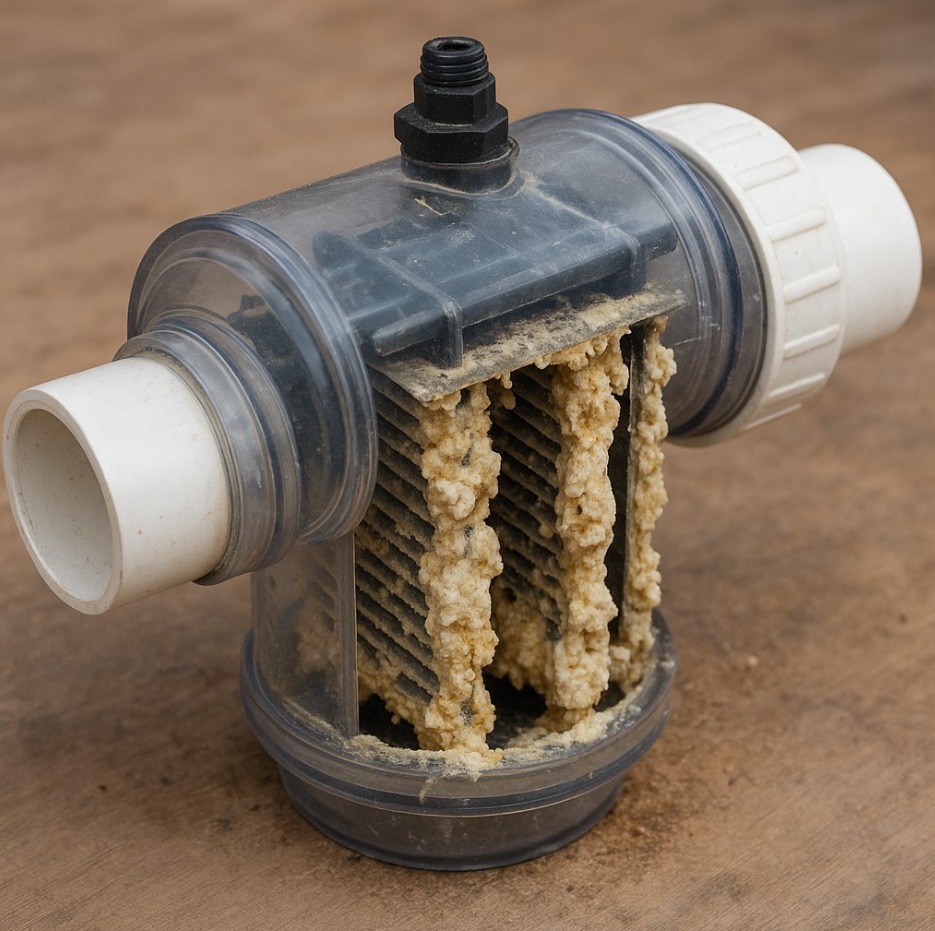
A sand filter can backwash normally and still fail to keep your pool clear. One of the main reasons is channeling. Channeling happens when water finds preferred pathways through the sand bed instead of flowing evenly through the en re media. Once channels form, large portions of the sand bed stop doing filtration work. Water takes the easiest route, bypasses effective filtering, and returns to the pool carrying fine dirt and dead algae. The pool stays cloudy, the filter pressure may behave strangely, and you backwash more often with less improvement.
This guide explains what sand filter channeling is, why it happens, how to recognise it, and the practical fixes that restore a healthy sand bed.
Channeling symptoms: cloudy water that never clears and fast pressure changes
The most common symptom is a pool that will not polish clear even though you run the pump and backwash regularly. Fine debris seems to pass through the filter. Another symptom is pressure that rises quickly and then drops after backwash but the water still looks hazy. In some cases pressure stays unusually low because water is bypassing the sand bed through channels and not building normal resistance. In other cases pressure rises quickly because channels create uneven packing and localized restriction.
You may also notice that backwash water becomes clear too quickly. A healthy dirty sand bed usually produces noticeably dirty waste water at the start of backwash. When channeling is severe, backwash may look weak or clear because the sand bed is not holding dirt evenly.
Channeling often becomes obvious during algae cleanup because dead algae is fine and reveals filtra on weakness quickly.
Why channeling happens inside sand media
Channeling is usually caused by one of four things. Compaction, clumping, incorrect backwashing, or incorrect media condition
Compaction happens when the sand bed becomes packed tightly over me. This can be caused by long periods without effective backwashing, by heavy debris loading, and by fine particles settling deeply into the bed. A compacted bed encourages water to carve paths where resistance is lower.
Clumping is caused by oils, sunscreen residue, algae slime, and organic film binding sand together. When sand clumps, water cannot move evenly and channels form around the clumps. Clumping is common in pools with heavy swimmer load, frequent sunscreen use, or repeated algae episodes.
Incorrect backwashing contributes by failing to lift the sand bed properly. If backwash flow is too weak because the pump is underperforming or the waste line is restricted, the sand bed does not expand and dirt remains trapped unevenly. Over me, that uneven dirt distribution forms channels.
Old worn sand also contributes. Over years, sand grains can become smoother and less effective at trapping fines. While worn sand does not directly create channels, it reduces filtration efficiency and makes channeling effects more obvious.
Backwash performance and waste line flow requirements
A sand filter needs enough reverse flow during backwash to lift the sand bed and flush out trapped debris. If the waste line is kinked, clogged, undersized, or restricted, backwash flow becomes weak and the bed does not expand. Channeling then becomes more likely.
This is why backwash is not only a routine. It is a performance event. Watch the waste line discharge. It should have strong flow. If it is weak, fix the waste line restriction and confirm the pump is producing normal flow.
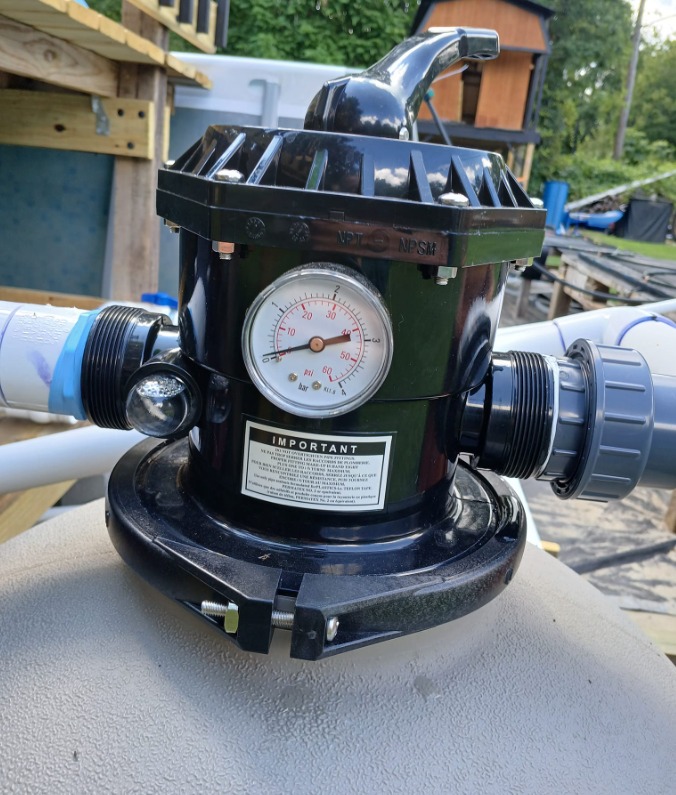
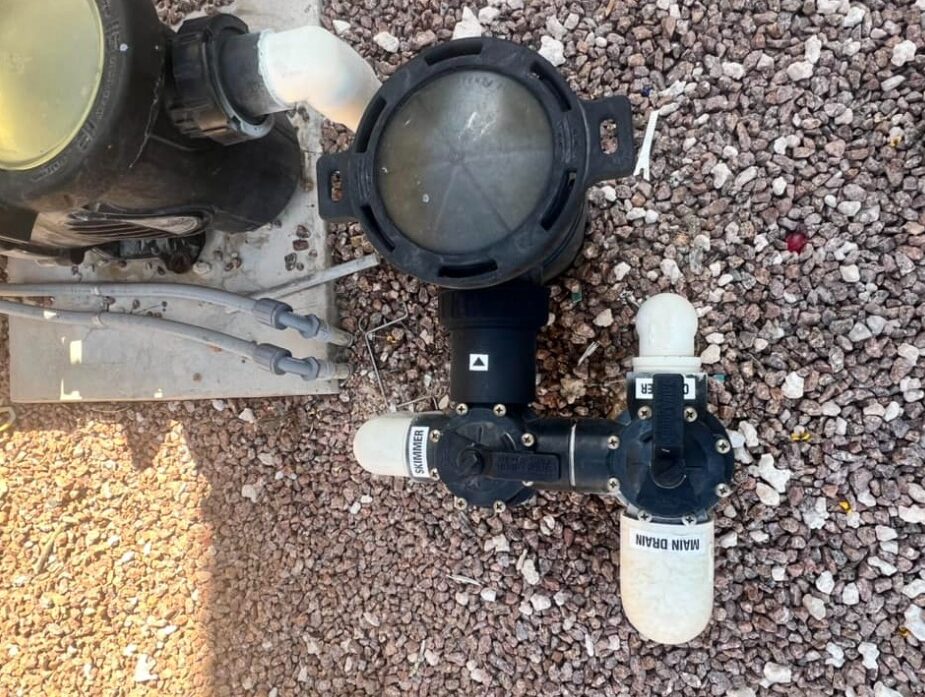
Also confirm your multiport valve is functioning correctly and that you always switch the pump off before changing valve positions. Valve sealing problems can reduce effective backwash routing and worsen sand bed issues.
Fix op on 1: Correct backwash and rinse technique to reset the bed
Mild channeling can sometimes be corrected by a proper backwash and rinse cycle done at strong flow. Start by ensuring baskets are clean and the pump is moving water well. Set the multiport valve to Backwash with the pump off, then run backwash until waste water clears. Switch off, set to Rinse, run rinse briefly, then return to Filter.
The rinse stage matters because it settles the bed and prevents blowback. After rinse, run on Filter and observe clarity improvement. If water remains cloudy and channeling symptoms persist, deeper leaning is needed.
Fix op on 2: Deep clean the sand bed with sand filter cleaner
If channeling is driven by oils and organic clumping, a sand filter cleaner can help. These cleaners are designed to break down oils, sunscreen residue, and organic film that binds sand. They reduce clumping and help restore even flow paths.
A typical deep clean involves applying cleaner according to instructions, allowing soak me, then backwashing thoroughly to flush out loosened material. The key is follow through. A short soak without a full flush does not reset the bed. After deep cleaning, filtra on often improves noticeably because sand grains regain separation and the bed becomes more permeable.
Deep cleaning is especially useful a er algae episodes and during periods of heavy swimmer use.
Fix op on 3: Manual sand bed agitation and inspection
When channeling is severe, the sand bed may have hard clumps and a crusted top layer that backwashing cannot break. In these cases, manual agitation can restore the bed. This involves opening the filter, inspecting sand condition, and carefully stirring the sand bed while flushing to waste. This is a more advanced service because the standpipe and laterals must be protected. Damaging laterals creates a new problem where sand enters the pool.
Manual agita on is also a good opportunity to inspect laterals and standpipe condition. If internal parts are damaged or brittle, sand change and parts replacement may be needed.
Fix op on 4: Sand replacement when media is old or badly clumped
If the sand is old, heavily contaminated, and does not respond to cleaning, replacement becomes the long term fix. Sand replacement restores filtration capacity and removes years of embedded oils and fine debris. It also allows inspection and replacement of laterals and standpipe components if needed.
Sand replacement must be done with correct filter sand grade and correct fill height. After replacement, initial backwash and rinse are essential to flush fines and settle the bed. Many post sand change cloudiness problems come from skipping that initial flush.
Preventing channeling with maintenance habits and chemistry stability
Channeling prevention is a combination of filtration habits and water balance. Backwash based on pressure rise and flow drop rather than on a rigid calendar. Always rinse after backwash. Keep baskets clean so backwash flow remains strong. Use a skimmer sock during dusty season and algae cleanup to reduce fine debris entering the filter.
Chemistry matters because oils and algae slime contribute to clumping. Stable sanitizer levels and controlled pH reduce organic buildup. If the pool frequently goes green, the filter will load with dead algae repeatedly, which increases channeling risk.
Long filtration run time at stable flow also helps because sand filters perform better when they operate consistently rather than in short bursts.
Sand filter channeling is a flow pattern failure inside the sand bed. It causes cloudy water that does not clear, inconsistent pressure behavior, and poor filtra on even after backwashing. Fixing it starts with confirming strong backwash flow, correct backwash and rinse technique, and multiport valve integrity. Deeper fixes include sand filter cleaner treatments, manual agitation, and sand replacement when media is old or heavily clumped. Once restored, consistent maintenance and stable chemistry prevent channels from forming again.
FAQs
1. How much water loss is normal for a pool?
About 1/4 to 1/2 inch per day from evaporation is normal in warm weather.
2. Can small leaks cause big damage?
Yes. Even a small leak can cause soil erosion, deck damage, and equipment strain over time.
3. How long does leak repair take?
Minor repairs can take a few hours. Major repairs may take several days.
4. Will insurance cover pool leak repairs?
5. How often should I check for leaks?
Get in touch for expert pool care

Need help? we are always here to assist you with expert care
Need Help
+27 10 065 1995
E-mail us
info@poolquest.co.za