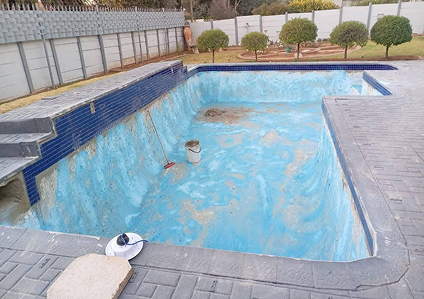
Pool Vacuum Line Repair
Suction Line Leaks, Blockages, Pressure Testing, and Repair Options
A pool vacuum line is a dedicated suction line that allows you to connect a manual vacuum hose or an automatic suction cleaner directly to the pool plumbing. When it works properly, it delivers strong suction, keeps skimming stable, and makes cleaning faster. When it fails, the most common symptoms are weak vacuum suction, air bubbles in the pump basket, the pump losing prime during vacuuming, or water loss that increases when the pump is running. A vacuum line problem can also look like a pump problem or a filter problem, so correct diagnosis matters.
This guide explains how to identify vacuum line faults, how to confirm whether the issue is a blockage or a leak, and what repairs are typically used for different failure types.
Vacuum line suction symptoms at the vacuum port and skimmer

A vacuum line problem often appears first at the vacuum port. You connect the vacuum hose, but suction is weak, inconsistent, or disappears after a few minutes. The vacuum head does not pick up debris properly, and you may hear air being pulled through the hose. In some cases, the pump basket fills with bubbles while vacuuming, and return jets blow bubbles into the pool. These signs point toward suction air ingress somewhere between the vacuum port and the pump.
If the pump loses prime only when the vacuum line is used, the vacuum line or hose connection is a strong suspect. If suction is weak across the skimmer and the vacuum port, the issue may be broader, such as a clogged impeller, low pool water level, or a partially closed suction valve.
Vacuum hose priming and vacuum plate connec on checks
Before diagnosing plumbing, confirm the setup is correct. A vacuum hose must be fully primed with water. If the hose contains air, the pump will ingest that air pocket and may lose prime. Prime the hose using a return jet or by sinking it slowly until no bubbles remain, then connect it while keeping the hose end underwater.
If the vacuum line uses a skimmer vacuum plate rather than a dedicated vacuum port, confirm the plate is seated correctly and the skimmer basket area is clear. Poor connections create air leaks that mimic plumbing faults. These checks matter because they are fast and they prevent unnecessary repairs.
Suction air leak signs: bubbles, prime loss, and inconsistent flow
Suction air leaks are common in vacuum line problems. Air leaks do not always drip water because suction side plumbing is under negative pressure while the pump runs. Instead, it pulls air inward. This shows as bubbles under the pump lid, bubbles at return jets, and a pump basket that never becomes fully water filled.
Air leaks related to the vacuum line can occur at the vacuum port fitting, at the hose connection, at valves that select between skimmer and vacuum line, or in the underground pipe itself. If the vacuum port is cracked or the fitting gasket has failed, air can enter whenever the vacuum line is used. If the underground vacuum pipe has a crack, it can pull air and reduce suction noticeably.
Vacuum line blockage symptoms and debris clogging patterns
Vacuum lines also clog. Leaves, seed pods, grit, and even small toys can lodge in the line, especially if the hose was used without a leaf canister. A blockage often shows as very weak suction or no suction at the vacuum port, and it may be accompanied by the pump straining because it cannot draw enough water.
A blockage can be patial or full. Partial blockages cause intermittent suction and poor vacuum performance. Full blockages prevent priming and can cause the pump to cavitate because water supply is restricted.
If suction improves when you switch back to skimmer suction, but fails on vacuum line suction, a blockage in the vacuum line becomes likely.
Vacuum line valve positioning and suction selector checks
Many pools have a three way valve near the pump that selects suction from the skimmer, main drain, or vacuum line. Incorrect valve positioning can starve the pump or reduce vacuum suction. Confirm the valve is actually open to the vacuum line when vacuuming. Also check that the valve is not stuck partially between positions, because this can introduce turbulence and air leaks at the valve stem and seals.
Valve stem O rings and unions can also pull air. If suction is inconsistent and you see bubbles that change when you move the valve slightly, the valve seals may need service.
Pressure testing the vacuum line and confirming underground leaks
When a vacuum line problem is not solved by hose setup checks, basket cleaning, valve position confirmation, and impeller inspection, pressure testing becomes the professional standard. Pressure testing isolates the vacuum line by plugging it at the pool side and at the equipment side, then applying controlled pressure to see whether it holds.
If pressure drops, the line is leaking underground or at a hidden joint. If pressure holds, the line is likely intact and the problem is more likely a blockage, a valve issue, or a connection problem at the vacuum port.
Pressure testing is the most reliable way to confirm underground vacuum line leaks because suction side leaks can be invisible from the surface.
Repair options for vacuum line leaks and pipe damage
If the leak is at the vacuum port fitting, repair may involve replacing gaskets, resealing threads, or replacing the vacuum port assembly if it is cracked. If the leak is in an accessible section near the equipment pad, repair can be done by replacing the damaged pipe segment and fittings.
If the vacuum line leak is underground, repair depends on location and access. A pinpointed repair can be excavated and replaced if the break is in a reasonable area. If the break is under hardscaping or the line is old with multiple weak points, rerouting the vacuum line may be more cost effective and more reliable long term.
If the line is blocked rather than leaking, clearing methods depend on severity. Many blockages can be cleared using suction line clearing tools or controlled pressure methods, but careless high pressure can damage old pipes. Professional clearing reduces risk.
After repair: vacuum suction test, pump prime stability, and filtration check
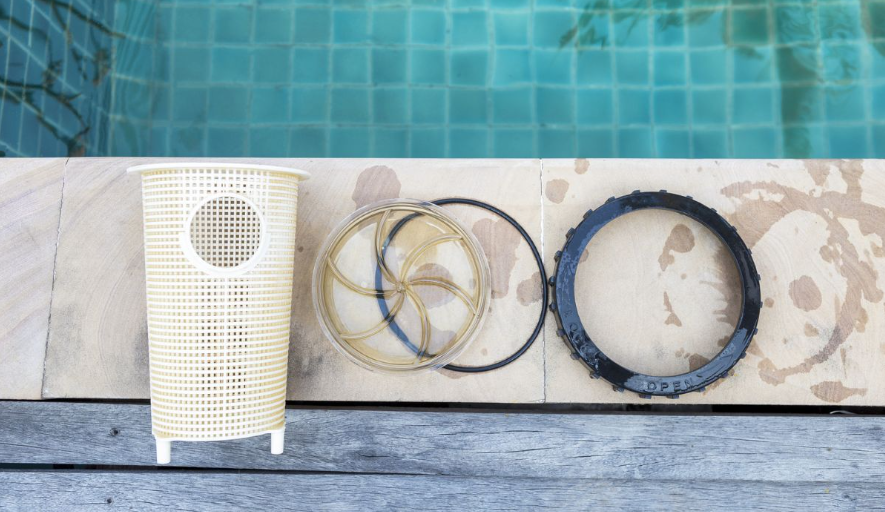
After any vacuum line repair, test suction at the vacuum port with a primed hose. Confirm the pump basket stays full of water with minimal bubbles. Confirm return jets are strong. If the pool is dusty or algae affected, clean the filter after heavy vacuuming because vacuuming loads filters quickly.
It is also a good me to confirm that the pump impeller is clear and that baskets are intact, because these components determine whether vacuum line performance remains strong.
Preventing future vacuum line problems
Use a leaf canister when vacuuming heavy debris so leaves do not enter the vacuum line. Keep the pump basket and skimmer basket intact and clean. Prime the vacuum hose fully before connecting. Avoid running vacuum equipment when the pool water level is low. If you have a suction selector valve, move it gently and only with the pump off to prevent seal damage.
These habits reduce both blockages and suction air leaks and keep vacuum suction consistent.
Pool vacuum line repair begins with symptom sorting. Weak suction and bubbles point toward air leaks, poor connections, or underground pipe leaks. No suction points toward blockages or closed valves. Pressure testing is the reliable confirmation method for underground vacuum line leaks. Once the cause is confirmed, repairs range from simple fitting replacement to excavation repair or line rerouting. Correct diagnosis saves money and prevents repeat failures.
FAQs
1. How much water loss is normal for a pool?
About 1/4 to 1/2 inch per day from evaporation is normal in warm weather.
2. Can small leaks cause big damage?
Yes. Even a small leak can cause soil erosion, deck damage, and equipment strain over time.
3. How long does leak repair take?
Minor repairs can take a few hours. Major repairs may take several days.
4. Will insurance cover pool leak repairs?
5. How often should I check for leaks?
Get in touch for expert pool care

Need help? we are always here to assist you with expert care
Need Help
+27 10 065 1995
E-mail us
info@poolquest.co.za