Pool Pump Repair vs Replacement
How to Decide Based on Cost, Motor Condition, Efficiency, and Reliability
When a pool pump starts failing, you have two practical choices. Repair the existing pump or replace it with a new pump or new motor. The best choice is not the same for every case. Somemes a small repair like a lid O ring, a capacitor, or a shaft seal restores the pump for years. Other times, repairs become a cycle and replacement becomes cheaper and more reliable. The correct decision depends on the type of fault, the age of the motor, the condition of the wet end, and whether your current pump is sized and efficient for your pool.
This guide gives you a clear decision framework so you do not waste money repairing a pump that is near end of life, and you do not replace a pump that only needs a simple fix.
Start with the symptom category: leak, noise, starting failure, or weak flow
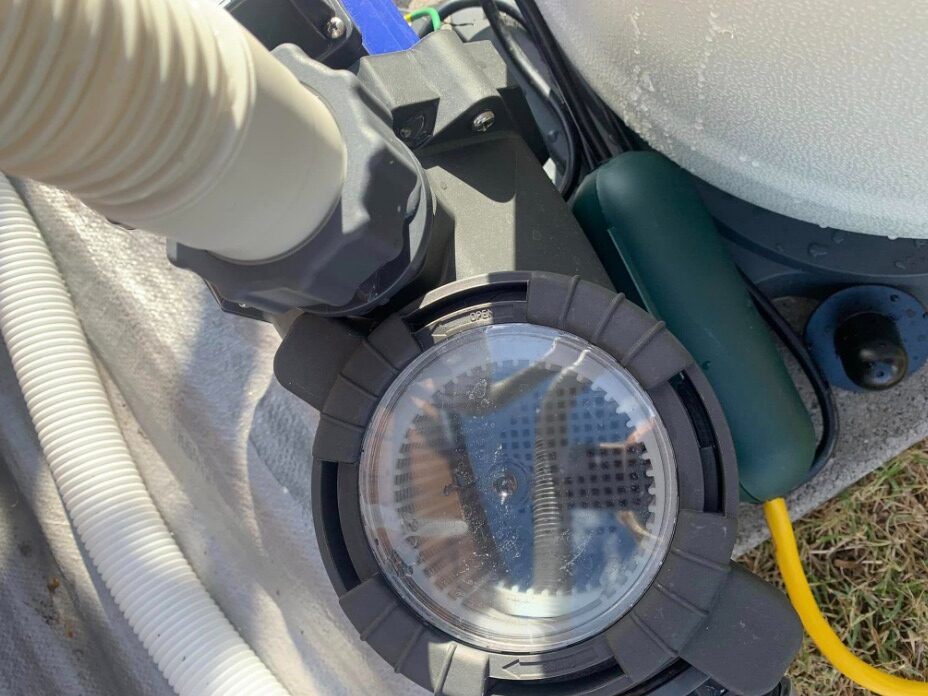
Pump problems usually fall into a few categories. Water leaks at the motor end often indicate a mechanical shaft seal issue. Noisy pumps often indicate bearing wear or cavitation from suction problems. Pumps that hum and do not start often indicate a start capacitor problem or a jammed impeller. Weak flow o en indicates clogged baskets, a dirty filter, or an impeller restriction. Some of these are low cost repairs. Others are signs that the motor is wearing out.
A repair versus replacement decision begins by correctly identifying the fault category. Repairing the wrong component wastes money and can make the pump feel unreliable even when it could have been restored easily.
Repair makes sense when the wet end is healthy and the motor is stable
Repairs are worth doing when the pump housing, diffuser, impeller, and seal plate are intact and the motor is not showing signs of winding failure or repeated overheating.
Common repair wins include pump lid O ring replacement when air leaks cause prime loss, union O ring replacement when joints drip, impeller throat cleaning when flow is weak, shaft seal replacement when water leaks under the motor, and capacitor replacement when the motor hums but will not start.
These repairs are targeted and o en restore performance quickly. They also make sense when the pump is otherwise quiet, starts reliably after repair, and does not trip breakers.
Replacement makes sense when the motor is worn and reliability is declining
Replacement becomes the smarter option when you see multiple symptoms at once or when the motor shows clear end of life indicators. Bearing noise is a major indicator. A motor that whines or grinds consistently is often near failure, especially if noise is worsening. Overheating that continues a er flow and ventilation fixes also points to motor wear or electrical problems.
Breaker trips that persist after clearing the impeller, cleaning the filter, and confirming good wiring can indicate motor insulation breakdown. Water intrusion into the motor from a long term shaft seal leak also often ends in motor replacement because corrosion and winding damage progress quickly.
If the pump has needed multiple repairs within a short period, replacement usually ends the cycle and improves reliability.
Consider pump age and run hours as a macro decision factor
Even a well maintained pump motor has a lifespan. Daily run hours add up. A pump that has been running for many years is more likely to develop bearing wear, capacitor stress, and winding degradation. The older the motor, the less likely a major repair will deliver long term reliability.
A simple way to think about it is this. If the pump is old and you are facing a high labour repair, the cost difference between repair and replacement becomes small, and replacement becomes safer and more predictable.
Efficiency and energy cost can jus fy replacement even when repair is possible
Older single speed pumps run at full speed all the me. They often use more electricity than modern variable speed pumps. Even when an old pump can be repaired, replacement may still be the better financial choice if energy savings are significant.
Variable speed pumps can run longer at lower speed, improving filtra on and circula on efficiency while reducing power use and noise. The value depends on electricity cost, run me, and pool size. If your pump runs many hours a day, efficiency improvements matter more. If your pump runs only short cycles, savings may be smaller.
Replacement decisions should include this efficiency angle, not only the repair cost.
Wet end condition determines whether motor only replacement is enough
Some pumps can be restored by replacing only the motor while keeping the wet end. This is often cost effective when the wet end housing is in good condition and parts are still available. If the pump housing is cracked, the seal plate is warped, or the impeller is damaged, full pump replacement may be better than motor replacement.
A wet end that has been running under cavitation or has been overheated from dry running can develop distortion. In that case, new motor on a damaged wet end can still produce weak performance and repeat leaks. This is why inspecting wet end condition matters.
The repair cost threshold and repeat call out risk
A practical decision rule is based on total expected cost and reliability. If the repair cost is low and likely to restore normal operation, repair is usually correct. If the repair cost is high and there is a strong chance another component will fail soon, replacement becomes the better choice.
For example, replacing a shaft seal on a motor that already has bearing noise is risky because water intrusion may already have started. In that case, the seal repair might stop the drip but the motor may fail soon anyway. Similarly, replacing a capacitor on a motor that overheats and trips after running may not solve the underlying motor or load issue.
The goal is to avoid stacking repairs onto a declining motor.
System matching and sizing problems that make pumps feel unreliable
Some pumps feel unreliable because they are mismatched to the filter and plumbing. Oversized pumps can create high pressure and stress filters and valves. Undersized pumps can struggle to maintain flow, especially with heaters and solar loops. If your system has persistent high pressure, weak flow, or repeated valve problems, a correctly sized pump upgrade may solve more than the immediate failure.
This is where replacement with a better matched pump can improve stability and reduce future maintenance.
What to do before deciding: a quick decision checklist
Confirm whether the fault is a simple repair such as lid O ring, unions, clogged impeller, or filter load. Confirm whether the motor has bearing noise, overheating, or repeated breaker trips. Check whether the pump has a shaft seal leak and whether water may have reached the motor. Consider the age of the motor and run hours. Consider energy efficiency and whether a variable speed pump is appropriate. Inspect the wet end for cracks and distortion. Then compare repair cost to replacement cost and include the risk of repeat repairs.
This checklist makes the decision more objective and less emotional.
Pool pump repair versus replacement is a decision about reliability, total cost, and long term performance. Repairs make sense when the wet end is healthy and the motor is stable. Replacement makes sense when the motor is noisy, overheating, tripping, water damaged, or near end of life. Efficiency upgrades and system sizing can also justify replacement even when repair is possible. When you choose based on fault type, motor condition, and future risk, you avoid the expensive cycle of repeated repairs.
FAQs
1. How much water loss is normal for a pool?
About 1/4 to 1/2 inch per day from evaporation is normal in warm weather.
2. Can small leaks cause big damage?
Yes. Even a small leak can cause soil erosion, deck damage, and equipment strain over time.
3. How long does leak repair take?
Minor repairs can take a few hours. Major repairs may take several days.
4. Will insurance cover pool leak repairs?
5. How often should I check for leaks?
Get in touch for expert pool care

Need help? we are always here to assist you with expert care
Need Help
+27 10 065 1995
E-mail us
info@poolquest.co.za