Pool Weir Door Replacement Guide
Skimmer Weir Function, Correct Sizing, Installation Steps, and Better Surface Skimming
A pool weir door is the small hinged flap inside the skimmer opening that many pool owners ignore until it breaks. When it is working correctly, it improves surface skimming, stabilises suction, and prevents leaves from drifting back into the pool when the pump switches off. When it is missing, cracked, or stuck, the skimmer can pull air, create bubbles in the pump basket, and reduce circulation. This is a small part that has a big impact on pool clarity because surface debris removal is the first line of defence against cloudy water and algae.
This guide explains what the skimmer weir door does, how to recognise weir door failure, how to choose the correct replacement, and how to install it properly.
Skimmer weir door function and why it improves suction stability
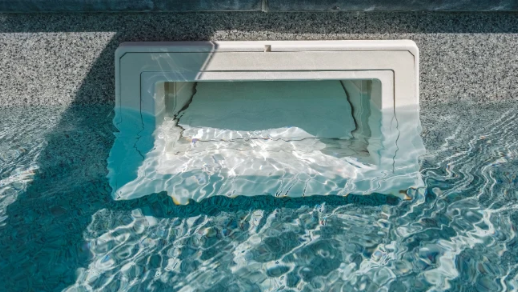
The weir door sits at the skimmer mouth and swings inward as water is pulled into the skimmer. Its key role is to create a one way effect. Water and debris go in, but when the pump stops, the door closes and reduces the backflow of floating debris back into the pool. This improves surface skimming efficiency because leaves and insects are more likely to stay inside the skimmer box until you empty the basket.
The weir also stabilises suction by reducing vortexing at the skimmer throat. Without a weir door, the skimmer can create a whirlpool that pulls air into the suction line, especially when the pool water level is slightly low. Air inges on reduces pump efficiency and can cause the pump to lose prime more easily. This is why a healthy weir door supports stronger circulation and more consistent return jet flow.
Weir door failure symptoms: floating debris escaping and air bubbles
A broken or missing weir door usually shows up as poor surface cleaning. Leaves drift near the skimmer but do not get pulled in effectively. Debris that does enter the skimmer often floats back out when the pump switches off. You may also notice that the skimmer basket does not collect as much debris as it used to, which is often mistaken for a pump issue.
Another common symptom is air bubbles. If the skimmer is pulling air because the water level is low or because vortexing is happening, you may see bubbles under the pump lid and bubbles coming from the return jets. The pump may also sound like it is surging or rattling slightly, especially at startup. These symptoms become worse when the pool water level is close to the bottom of the skimmer opening.
A weir door can also fail by sticking. If the hinge is warped or the door is jammed, it may stay closed and reduce water flow into the skimmer. That can create weak suction and poor skimming even when water level is correct.
Weir door sizing and compatibility with skimmer models
Not all weir doors are the same size. Skimmers differ by brand, mouth width, and hinge style. The best replacement is one made for your skimmer model, but many pools use universal weir doors that can be trimmed or adjusted to fit.
The two key compatibility points are the width of the skimmer mouth and the hinge pin style. Some weir doors use side tabs that clip into place. Others use a pin or hinge socket design. If you select the wrong hinge style, the door will not seat properly and may fall out or stick.
If your old weir door is available, use it as a reference. Measure its width and compare hinge shape. If it is missing, measure the internal skimmer mouth width and inspect the hinge recesses inside the skimmer opening.
Pool water level and skimmer mouth posi on before installation
Before installing a new weir door, confirm the pool water level is correct. A low waterline makes skimmer vortexing more likely and can cause the new weir door to slap aggressively, which shortens its life. A practical waterline is usually around the middle of the skimmer opening, though exact skimmer design varies.
Also check the skimmer mouth for cracks and rough edges. A damaged skimmer throat can interfere with door movement. Clean any debris inside the skimmer box so the hinge area is clear and the door can swing freely.
Weir door installation steps and hinge seating
Installation is typically straightforward. With the pump off for safety, remove any debris from the skimmer opening. Identify the hinge points inside the skimmer throat. Insert the weir door hingetabs or pin into the hinge sockets. You may need to flex the door slightly so the tabs click into place.
Once installed, test the movement by pushing the door inward and letting it swing back. It should move smoothly without scraping the skimmer sides. The door should rest close to vertical in the closed position but still allow water to flow easily when suction is present.
If the door is a universal model and it rubs or sticks, it may need trimming. Trimming should be minimal and even. The goal is smooth motion, not a loose fit. A loose door can rattle excessively and wear the hinge points.
Weir door movement test with pump running and skimming action check
After installa on, turn the pump on and watch the weir door behaviour. It should lt inward as water is drawn into the skimmer, creating a surface draw that pulls floating debris toward the skimmer basket. The door should not slam violently. If it slams, water level may be too low or suction may be too high due to valve settings.
Check for improved surface skimming. You should see a steady stream of surface water flowing into the skimmer. If the surface is still not moving toward the skimmer, the issue may be return jet direction or overall circulation pattern rather than the weir door itself.
Also watch for reduced air bubbles. If the pump basket previously had bubbles due to skimmer vortexing, a correct water level and a working weir door often reduces bubbles quickly.
Common weir door problems after replacement
A new door can still cause issues if it is the wrong size or if it sticks. If the door stays closed while the pump is running, it restricts water flow and reduces suction and circulation. If it stays open when the pump is off, it will not prevent debris backflow. If it is too tight, it will scrape and jam. If it is too loose, it will rattle and wear out.
If these problems occur, check hinge seatting, check for obstructions, and confirm sizing. In many cases, a better fitting door solves the issue immediately.
Weir door maintenance and prevention of future failure
Weir doors fail faster when debris jams them or when water level stays low. Keep the skimmer basket clean so debris does not pack around the hinge area. Maintain water level so the skimmer does not vortex and slam the door repeatedly. Inspect the door during routine cleaning. If it begins to warp or crack, replace it early because a missing weir door affects pump prime stability and skimming efficiency.
A pool weir door is a small component that improves surface skimming, reduces debris backflow, and stabilises suction by preventing skimmer vortex air ingestion. Replacement is usually quick, but correct sizing and smooth hinge movement matter. Once installed, a good weir door helps keep the pool cleaner by removing organics early, reducing chlorine demand and lowering algae risk.
If you want to continue in order, the next topic is number 18, pool vacuum line repair.
FAQs
1. How much water loss is normal for a pool?
About 1/4 to 1/2 inch per day from evaporation is normal in warm weather.
2. Can small leaks cause big damage?
Yes. Even a small leak can cause soil erosion, deck damage, and equipment strain over time.
3. How long does leak repair take?
Minor repairs can take a few hours. Major repairs may take several days.
4. Will insurance cover pool leak repairs?
5. How often should I check for leaks?
Get in touch for expert pool care

Need help? we are always here to assist you with expert care
Need Help
+27 10 065 1995
E-mail us
info@poolquest.co.za