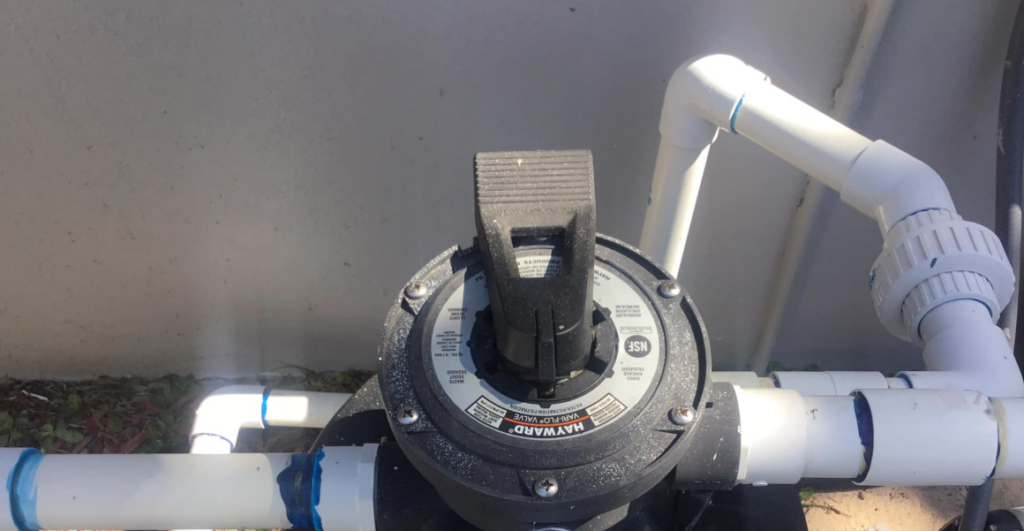
Multiport Valve Stuck Fix
Why Handles Get Hard to Turn, What It Means Inside the Valve, and How to Restore Smooth Operation.
A multiport valve controls how water moves through a sand filter or some DE filter systems. It routes flow for filter, backwash, rinse, waste, recirculate, and closed settings. When the multiport handle becomes stiff, jammed, or stuck between positions, it is not just annoying. A stuck valve can damage the spider gasket, cause water to leak to waste, reduce filtration performance, and create cloudy water problems that never fully resolve. Many multiport valves become stuck because of sand grit,debris, swollen seals, or damage caused by turning the handle while the pump is running.
This guide explains the most common reasons a multiport valve gets stuck, the safest fixes, and when rebuilding or replacement is the correct solution.
Stuck handle symptoms: hard to turn, won’t lock, or sits between settings
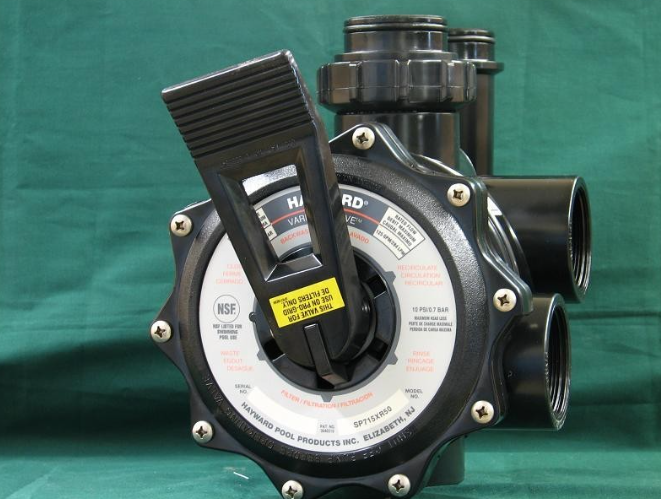
A multiport valve may show several failure signs. The handle may be very hard to push down and rotate. It may rotate but not lock cleanly into a position. It may feel like it is si ng between Filter and Rinse or between Filter and Waste. In some cases, the handle moves but the system behavior does not match the setting, such as weak returns in Filter mode or water leaking to waste unexpectedly.
These symptoms often occur after backwashing, a er sand changes, or after someone changed the valve setting with the pump still running.
Most common cause: turning the valve with the pump on
The most damaging habit is changing multiport settings while the pump is running. When the pump is running, the valve is under pressure. Rottting the diverter under pressure can tear or twist the spider gasket. It can also score internal surfaces and force debris into sealing channels. Once the spider gasket is damaged, the valve may feel rough, stiff, or inconsistent. It may also start leaking to waste while in Filter mode.
If the valve got stiff immediately after a setting change with the pump on, spider gasket damage becomes a strong suspect.
Sand grit and debris inside the multiport diverter
Sand filters produce fine grit and debris during backwashing. Some of that grit can migrate into the valve body, especially over me. Grit in the valve can make the handle feel gritty and stiff. It can also prevent the diverter from seating properly, which creates bypass and waste line leakage.
Debris can also lodge around the spring and handle assembly. This reduces smooth movement and can cause the handle to feel like it is not returning fully. Cleaning and rebuilding often resolves this when the valve body is still intact.
Weak spring and handle assembly wear
The handle assembly includes a spring that helps the diverter seal into position. If the spring weakens or the handle mechanism wears, the handle may not push down fully or may not lock correctly. This can make the valve feel stuck or unstable. It can also lead to positions that do not seal properly, creating cross flow.
If the handle feels loose, wobbly, or does not snap into position, the handle and spring assembly should be inspected.
Safe first step: shut off pump and release filter pressure
Before doing anything with the valve, switch off the pump at the breaker or isolator. Open the filter air relief valve to release pressure. Never force a multiport handle under pressure. Forcing under pressure can tear the spider gasket and crack the valve housing. Keep in mind: heavy pool usage, splashing, and backwashing can also cause temporary water drops. Always rule those out first.
Once pressure is released, try pressing the handle down and rotating gently. If it frees up, the issue may have been pressure binding rather than internal damage. If it remains stuck, proceed to deeper checks.
Quick checks: valve position, backwash routine, and waste line behavior
Confirm the valve is not set to closed. Running the pump on closed can create extreme strain and may make the valve feel stuck due to pressure. Confirm you always rinse a er backwash. Skipping rinse can leave sand disturbed and push grit into valve channels.
Check waste line behavior. If water leaks to waste while in Filter mode, the spider gasket is likely damaged or the diverter is not seating correctly. This does not always cause sticking, but it is often associated with valve deteriora on.
If the valve is stuck and you also see waste line leakage, rebuilding becomes more likely.
When to rebuild: spider gasket, diverter, and seal replacement
A multiport valve rebuild usually involves replacing the spider gasket and inspecting the diverter assembly, seals, and internal surfaces. The spider gasket sits in grooves and separates the valve ports. When it wears, tears, or lifts, the valve can become stiff and leak internally. Replacing the gasket and cleaning the grooves often restores smooth operation and proper sealing.
If the diverter surfaces are scored, the valve may still leak even with a new gasket. In that case, replacing the diverter assembly or replacing the full valve may be necessary.
A rebuild is the most common long term fix for stiff valves that do not respond to basic pressure release and gentle movement.
When replacement is smarter than repair
Replacement becomes the better choice when the valve body is cracked, when threads are damaged, when internal surfaces are heavily worn, or when repeated rebuilds have failed. Replacement is also common when the filter is being upgraded or when the system is being redesigned.
If the valve is old and brittle, forcing it can crack the body. In those cases, replacing prevents future leaks and reduces risk of sudden failure during backwash.
Preventing multiport valve sticking in the future
Always switch the pump off before changing valve settings. Always rinse a er backwash so the sand bed settles and grit is flushed to waste. Keep the waste line clear so backwash flow is strong and does not force debris back into the valve. Avoid excessive backwash duration because long backwash can move sand aggressively and increase grit migration.
If you notice early stiffness, address it before it becomes a full jam. Early servicing and gasket replacement are cheaper than emergency replacement a er a crack.
A stuck multiport valve is usually caused by pump on setting changes, sand grit and debris inside the valve, or worn spider gasket and diverter parts. The safest first step is always to shut off the pump and release pressure. If gentle movement does not restore smooth opera on, a rebuild is often the correct fix. Replacement is appropriate when the valve body or internal surfaces are too worn or cracked. Correct valve handling and rinse habits prevent most s cking problems and keep filtra on
reliable.
FAQs
1. How much water loss is normal for a pool?
About 1/4 to 1/2 inch per day from evaporation is normal in warm weather.
2. Can small leaks cause big damage?
Yes. Even a small leak can cause soil erosion, deck damage, and equipment strain over time.
3. How long does leak repair take?
Minor repairs can take a few hours. Major repairs may take several days.
4. Will insurance cover pool leak repairs?
5. How often should I check for leaks?
Get in touch for expert pool care

Need help? we are always here to assist you with expert care
Need Help
+27 10 065 1995
E-mail us
info@poolquest.co.za